
Last updated on May 20th, 2025
Sourdough cake transforms ordinary desserts into extraordinary treats with tender crumb and complex flavor that store-bought mixes can’t match. Tired of cakes that dry out after a day or upset your stomach with processed ingredients? Sourdough’s long fermentation process not only adds amazing depth of flavor but also breaks down starches, making cake more digestible and nutritionally accessible. Discover how this baking revelation delivers moist, flavorful perfection that stays fresh longer while reducing food waste—a guilt-free reason to enjoy dessert that’s both delicious and better for you.
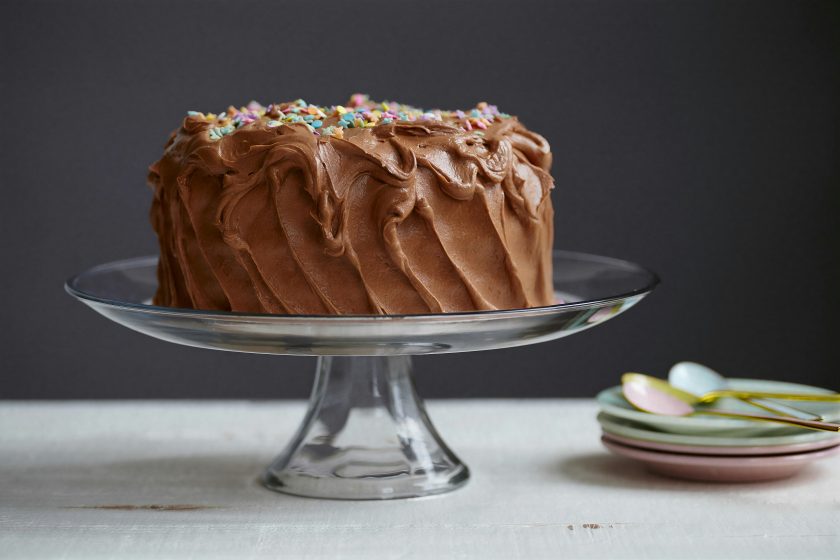
Benefits of Using Sourdough in Cakes
Sourdough starter creates remarkable improvements in cakes through natural fermentation. The slow fermentation process breaks down gluten proteins, making them easier for your gut to process, beneficial for those with mild gluten sensitivities, and for everyone’s digestive system. The beneficial bacteria create a probiotic-rich environment that supports your gut microbiome.
The texture benefits are substantial – sourdough-leavened cakes develop a more complex crumb structure that retains moisture beautifully, keeping cakes fresh longer without dry edges. The natural acidity balances sweetness, allowing the true flavors of ingredients to shine through rather than being masked by sugar overload.
Ingredients
Creating the perfect sourdough cake starts with understanding the key players in your mixing bowl. Here’s what you’ll need:
- 1 cup sourdough discard (100% hydration)
- 1½ cups all-purpose flour
- 1 teaspoon baking soda
- ½ teaspoon salt
- ¾ cup granulated sugar
- ½ cup unsalted butter, softened
- 2 large eggs, room temperature
- 1 teaspoon vanilla extract
- ½ cup milk
- Optional: ¼ teaspoon cinnamon or other spices
The sourdough discard brings both flavor complexity and natural leavening power to your cake. All-purpose flour works beautifully as your base, though cake flour can create an even more delicate crumb if desired. Baking soda works with the natural acidity in your starter to create the perfect rise.
Room temperature eggs incorporate more air, while butter (never oil) creates that irreplaceable richness. The vanilla extract bridges the gap between your starter’s tanginess and the cake’s sweetness. Remember that your starter’s hydration level matters – a 100% hydration starter will affect your recipe differently than a stiffer one.
Related: How to Make Herman Cake + Starter Recipe
Choosing the Right Sourdough Starter
The character of your cake depends on your starter choice. Active starter brings leavening power with milder tang, while discard delivers pronounced sourness that balances sweetness beautifully.
Your starter’s hydration matters too. Thicker starters contribute structure, while 100% hydration blends more easily but may need flour adjustments.
For beginners, mature discard works wonderfully – it’s already developed complex flavor compounds without unpredictable fermentation affecting your rise. The subtle sourness creates dimension in chocolate cakes, cutting through richness perfectly.
Young starters (under 3 months) behave differently from established ones with years of microbial development. Each feeding cycle influences flavor, so taste before baking, and you’ll soon develop an intuition for when your starter is cake-ready.
Step-by-Step Cake Recipe
- Cream butter and sugar until fluffy (3-4 minutes) – This crucial step incorporates air that provides structure. Don’t rush this; proper creaming creates the foundation for a tender crumb.
- Add eggs one at a time, fully incorporating each. Room temperature eggs blend more smoothly. If you forgot to warm them, place them in a bowl of warm water for 5 minutes.
- Fold in your starter gently – Stir it first if it has separated. The starter should be at room temperature for best incorporation and to avoid shocking the batter.
- Alternately add dry ingredients and milk, ending with flour. This prevents overmixing and gluten development. Mix just until combined after each addition.
- Pour batter into well-greased baking tin – For extra insurance against sticking, line the bottom with parchment. Fill pans only 2/3 full to allow for rise.
- Bake at 350°F for approximately 35 minutes – Position the rack in the middle of your oven for even heat distribution. Avoid opening the oven door during the first 25 minutes.
- Test with a toothpick – Look for a few moist crumbs, not wet batter. The cake should also spring back slightly when pressed.
- Rest for 15 minutes before removing from the pan – This cooling period allows the structure to set. Then transfer to a wire rack to prevent condensation on the bottom.
Unlike regular cakes, sourdough versions benefit from an overnight rest in a sealed container, which deepens flavor complexity. The subtle tang will mellow and integrate beautifully with the sweet elements. If your cake seems too dense, try reducing flour by 2 tablespoons next time, as sourdough hydration varies. For chocolate variations, replace 1/4 cup of flour with cocoa powder – the acidity from both starter and cocoa creates a remarkable depth of flavor.
Flavor Variations
Ready to take your sourdough cake to the next level? This is where things get fun! That tangy sourdough base you’ve created is begging for flavor add-ins. Once you start playing with these combinations, those regular cakes from the store won’t even compare.
Chocolate Transformation
For chocolate lovers, fold in 1/3 cup of cocoa powder while reducing flour by the same amount. The acidity in cocoa enhances your starter’s tang, creating depth that’ll make store-bought chocolate cake taste flat by comparison. I’ve found that adding a splash of coffee (just 2 tablespoons) intensifies that chocolate richness without tasting like coffee.
Citrus Brilliance
Citrus variations bring a bright dimension, particularly lemon. Incorporate 2 tablespoons of zest and 3 tablespoons of juice, reducing milk accordingly. The natural acidity pairs beautifully with sourdough’s complexity, creating a sophisticated flavor profile that’s refreshing without being cloying.
Spice Infusions
Spice infusions work wonders too. Nutmeg, cardamom, and cinnamon transform sourdough cake into something that feels both rustic and elegant. Start with 1 teaspoon of your chosen spice – you can always increase in future bakes.
Fruit Additions
For fruit additions, blueberries stand out spectacularly. Their burst of juiciness against sourdough’s tender crumb creates textural magic. Toss 1 cup of berries in a tablespoon of flour before folding in (this prevents sinking), and you’ve got a breakfast-worthy treat that disappears by afternoon.
Related: Sourdough Coffee Cake
Common Mistakes and Fixes
Hiccups are part of the learning curve! Here are the most common pitfalls and how to overcome them:
- Dense, heavy texture: Often caused by overmixing after adding flour. Stir just until ingredients are combined – treat your batter like a delicate cloud that needs gentle handling. Reducing flour by 2 tablespoons can also help if your starter is particularly wet.
- Sunken middle: Usually points to underbaking. Sourdough cakes need full baking time to set their structure. Add 5 extra minutes if you’re unsure, covering with foil if the top browns too quickly. Your cake should feel springy in the center.
- Gummy bottom layer: This happens when your starter is too active, causing over-fermentation during baking. Use a discard rather than a just-fed starter for more predictable results. Room temperature ingredients also help prevent this texture issue.
- Not rising properly: Check if your baking soda is fresh – it should fizz vigorously when dropped in vinegar. Also, ensure you’re creaming butter and sugar thoroughly to incorporate sufficient air into the batter.
- Overly sour flavor: If the tang overwhelms, reduce starter amount to 3/4 cup and increase sugar by 2 tablespoons. Alternatively, let your starter go through one more feeding cycle to mellow its flavor profile.
Storage and Shelf Life
Sourdough cakes have a secret superpower that regular cakes don’t – they get better with time! Those wild yeasts and bacteria do more than just make your cake rise; they work their magic on preserving freshness, too.
Room Temperature vs. Refrigeration
Your sourdough cake will happily sit on the counter for 2-3 days when properly stored. Wrap it in plastic wrap or tuck it into an airtight container to maintain that dreamy moisture level. For longer storage, the fridge is your friend – just keep it sealed tight to prevent absorbing those weird fridge odors nobody wants in their dessert.
Freezing for Later Enjoyment
Don’t be afraid to freeze these beauties! Slice your cake first, then wrap individual portions in a double layer of cling film before placing in a freezer bag. This method lets you grab just what you need for that midnight craving. Here’s my favorite trick: thaw slices at room temperature with the wrapping still on – this traps condensation outside rather than making your cake soggy.
How to Serve
- Whipped cream topping – lightened with vanilla bean seeds or a splash of bourbon to balance the tang
- Citrus glaze – seeps into the crumb, intensifying moisture while adding bright notes
- Coffee pairing – medium roast brings out fermented complexity better than tea
- Slightly warmed – 10 seconds in the microwave revitalizes day-old slices
- Vanilla bean ice cream – slowly melts into those tangy crevices
- Grilled slice magic – brush with honey butter and caramelize for flavor fireworks
- Fresh berries – their natural acidity complements sourdough’s subtle tang
- Dusting of powdered sugar – simple yet elegant visual appeal for any occasion
Your breakfast guests will never look at cake the same way again!
Elevate Your Cake Game with Sourdough
Your sourdough starter isn’t just for bread – it’s your secret weapon for cake perfection. The natural fermentation creates gut-friendly treats with complex flavors and moisture that lasts for days. That subtle tang balances sweetness while enhancing chocolate, citrus, or spice variations.
Master the simple techniques, troubleshoot with confidence, and watch as guests marvel at your creations. Say goodbye to ordinary cakes – your sourdough journey just got a whole lot sweeter!
FAQs – Sourdough Cake Recipe
What does sourdough do to cake?
Sourdough enhances cake in multiple ways: it extends shelf life, keeping cakes softer longer due to its acidity, improves digestibility by breaking down starches through fermentation, adds depth of flavor without making it taste sour, and creates extra-moist texture. It also reduces food waste by utilizing starter discard that would otherwise be thrown away.
![Sourdough crepes recipe [make them delicious and thin! ]](https://www.mydailysourdoughbread.com/wp-content/uploads/2022/11/crepes-a-la-francaise-homemade-french-crepes-recette-stockpack-unsplash-120x120.jpg "Sourdough Crepes Recipe [Make Them Delicious And Thin!] 2")