Anyone who’s stared at a jar of bubbling starter and wondered if it’s actually doing anything has asked the right question. Sourdough fermentation looks like magic on the surface, but underneath it’s a very specific, very trackable biological process.
Once we understand what’s happening at each stage, the guesswork disappears and your bread stops being a gamble.
What’s Actually Happening When Dough Ferments
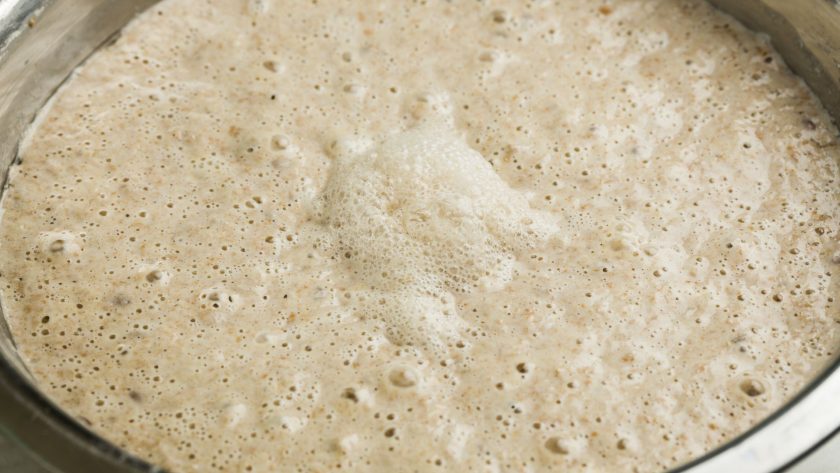
Fermentation starts the moment flour meets water. Enzymes in the flour begin breaking starches into simple sugars, and that sugar becomes food for two groups of microorganisms living in your starter:
- Wild yeast — feeds on sugars and produces carbon dioxide (the gas that makes dough rise) plus small amounts of alcohol
- Lactic acid bacteria (LAB) — feeds on the same sugars and produces lactic acid and acetic acid, which give sourdough its tang
Both organisms are already present on flour, in the air, and on your hands. A starter is simply a controlled environment where you feed them consistently until their population is strong enough to leaven a full loaf.
Wild Yeast vs. Lactic Acid Bacteria
These two organisms work side by side, but they’re not doing the same job. Here’s how their roles differ:
| Organism | Main Job | What It Produces | Flavor Contribution |
|---|---|---|---|
| Wild yeast | Leavening (rise) | CO2 gas, ethanol | Mild, slightly fruity |
| Lactic acid bacteria | Acidification | Lactic acid, acetic acid | Tangy, sometimes sharp |
Lactic acid gives a mellow, yogurt-like sourness, while acetic acid brings the sharper, vinegar-like bite. The balance between the two depends on temperature and hydration, which is why a warm, wet starter tastes different from a cool, stiff one.
Bulk Fermentation vs. Proofing
New bakers often mix these terms up, so it helps to separate them clearly.
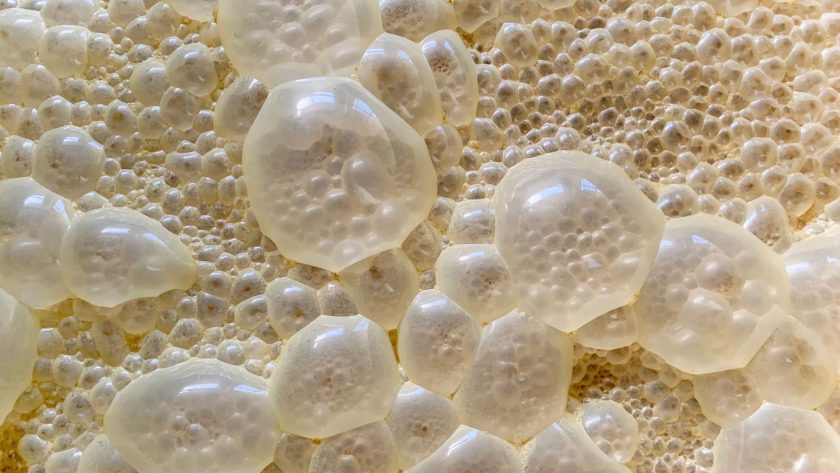
Bulk fermentation happens right after mixing, before the dough is shaped. This is when most of the flavor develops and the dough’s structure builds through folds and rests. It typically runs anywhere from 4 to 12 hours depending on temperature and starter strength.
Proofing (also called final proof) happens after shaping, once the loaf is in its banneton or pan. This stage is shorter and focused on building the last bit of rise before baking.
A simple way to remember it: bulk fermentation builds flavor and strength, proofing builds the final rise.
Signs Your Dough Is Fermenting Correctly
Timers are useful, but dough doesn’t read clocks. Temperature swings from day to day, so learning to read the dough itself will save you more loaves than any recipe timing ever will.
Look for these signals during bulk fermentation:
- The dough has visibly increased in volume, usually by 30-75%, depending on the recipe
- Small bubbles are visible on the surface and sides (if using a clear container)
- The dough feels airy and slightly jiggly when the container is nudged
- A gentle poke leaves an indent that slowly springs back partway, not all the way
And during final proof:
- The shaped loaf has puffed up noticeably but still holds its shape
- A light poke test leaves a slow, partial spring-back
- The dough feels lighter than it did right after shaping
If the poke test springs back instantly, it needs more time. If it doesn’t spring back at all and the dough feels slack, it’s overproofed.
Temperature’s Effect on Fermentation Speed
Temperature is the single biggest variable in sourdough, more influential than flour type or hydration percentage. Warmer dough ferments faster because yeast and bacteria are more active in warmth, up to a point.
| Dough Temperature | Approximate Bulk Fermentation Time | Flavor Result |
|---|---|---|
| 65°F (18°C) | 10-14 hours | Milder, more acetic tang |
| 70°F (21°C) | 6-8 hours | Balanced flavor |
| 75°F (24°C) | 4-6 hours | Faster rise, milder tang |
| 80°F+ (27°C+) | 3-4 hours | Fast but risk of overproofing |
These ranges assume a healthy, active starter. A sluggish starter will stretch every one of these times out significantly, so building starter strength before baking day matters just as much as controlling room temperature.
A Beginner-Friendly Fermentation Timeline
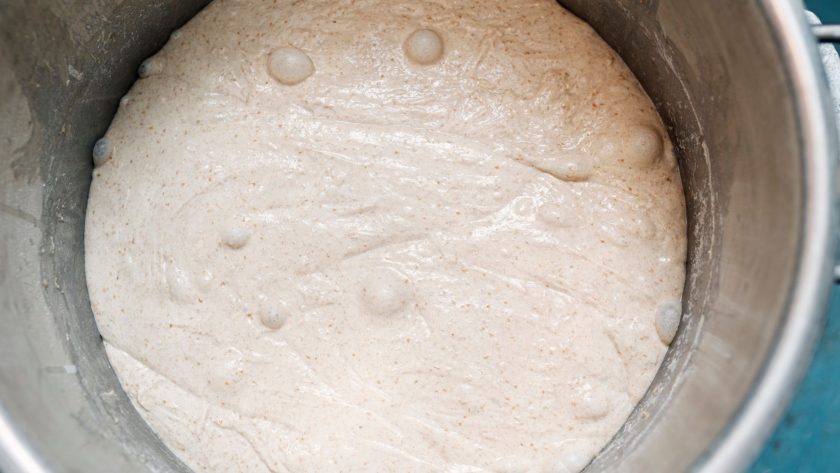
For anyone who wants a doable starting point rather than a vague “ferment until ready,” here’s a realistic timeline for a standard loaf at room temperature (around 70-72°F):
- Mix dough and starter — combine and let rest (autolyse) for 30-60 minutes
- Begin bulk fermentation — perform 3-4 stretch-and-folds over the first 2 hours, spaced 30 minutes apart
- Rest and rise — let the dough sit undisturbed for the remaining bulk time, checking for the signs listed above
- Shape the loaf — once bulk fermentation looks complete, shape gently and place in a banneton
- Final proof — proof at room temperature for 1-2 hours, or refrigerate overnight (8-14 hours) for a more developed flavor and easier scoring
- Bake — straight from the fridge if cold-proofed, no need to bring to room temperature first
Cold proofing overnight is one of the more forgiving methods for beginners. It slows fermentation down enough that a busy schedule doesn’t ruin the dough, and it deepens flavor at the same time.
Common Fermentation Mistakes and Fixes
- Dough never seems to rise → Starter is likely underfed or too young. Feed it 1-2 times daily for a week before baking with it, and confirm it doubles in size within 4-8 hours of feeding.
- Dough overflows the container or collapses → Overproofed. Cut bulk fermentation time back by an hour or two next attempt, or move the dough to a cooler spot.
- Bread tastes flat with no tang → Fermentation was too short, or the temperature was too warm for too fast a rise. Try a longer, cooler bulk fermentation or a cold overnight proof.
- Bread tastes overly sour or vinegary → Fermentation ran too long or too warm, favoring acetic acid production. Shorten the timeline or lower the dough temperature.
- Dense, gummy crumb after baking → Usually underproofing, though it can also point to underbaking. Extend bulk fermentation and double-check internal temperature (around 205-210°F) before pulling the loaf.
Reading Your Starter Before You Even Start
A starter that’s ready to bake with will roughly double within 4-8 hours of feeding, smell pleasantly sour (not like nail polish remover, which signals hunger), and pass the float test: a small spoonful dropped in water should float rather than sink.
If it fails the float test, give it another feeding and check again in a few hours rather than baking with it right away. A weak starter is the root cause behind most fermentation problems bakers run into, so this five-minute check saves a lot of frustration down the line.
Once you can read these signals confidently, sourdough stops becomes a process you actually understand, instead of just an intimidating recipe!
FAQs
How long does sourdough fermentation actually take?
Bulk fermentation usually runs 4-12 hours depending on dough temperature and starter strength, and final proof adds another 1-2 hours at room temperature or 8-14 hours in the fridge. Warmer dough moves through both stages faster.
Can you over-ferment sourdough?
Yes. Overproofed dough loses structure, spreads out instead of holding its shape, and can collapse during baking. The poke test is the fastest way to catch this before it happens: an indent that doesn’t spring back at all means the dough has gone too far.
Why is my sourdough not rising?
The most common cause is a weak or underfed starter. Feed it consistently for several days, confirm it doubles within 4-8 hours of a feeding, and run the float test before mixing your dough.
Does the flour type change fermentation time?
Yes, though less than temperature does. Whole wheat and rye flours ferment faster than white flour because they contain more available nutrients for the yeast and bacteria, along with more naturally occurring enzymes.
Is a longer fermentation always better for flavor?
Not necessarily. Longer fermentation builds more acidity, which some bakers like and others find overpowering. Past a certain point, extra time just weakens the dough’s structure without adding meaningful flavor.
Can I slow down fermentation if I’m not ready to bake?
Yes, refrigeration is the standard method. Moving dough to the fridge slows yeast and bacterial activity significantly, giving you a window of several hours to a full day before shaping or baking.