Last updated on April 7th, 2026
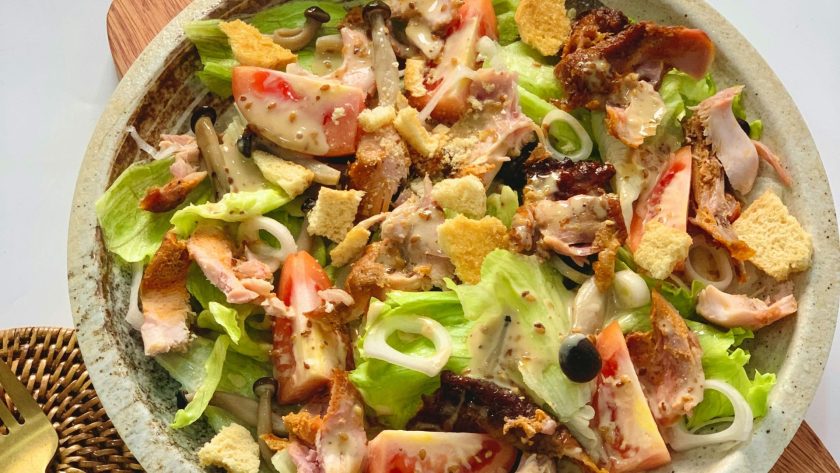
Most people write off celery as boring rabbit food, but this celery salad with sourdough croutons proves humble ingredients can create something extraordinary. Traditional salads leave you hungry within hours, lacking satisfying crunch and substance. This vibrant dish delivers serious texture contrast – crisp, hydrating celery meets buttery, herb-crusted bread cubes that stay crunchy for hours. You’ll discover pro techniques for transforming day-old sourdough into restaurant-quality croutons, plus flavor combinations that make celery crave-worthy. Get ready for maximum satisfaction with practically zero guilt – celery just became your secret weapon for impressive entertaining.
Ingredients
For the Salad:
- 6-8 large celery stalks, thinly sliced
- 1/4 cup fresh celery leaves
- 1/4 cup fresh parsley leaves
- 2 tablespoons capers
- 1/4 red onion, thinly sliced
For the Dressing:
- 3 tablespoons extra virgin olive oil
- 2 tablespoons fresh lemon juice
- 1 teaspoon lemon zest
- 1 tablespoon Dijon mustard
- 1/2 teaspoon salt
- 1/4 teaspoon black pepper
For the Croutons:
- 4 cups day-old sourdough bread, cubed
- 3 tablespoons olive oil
- 1/2 teaspoon garlic powder
- 1/4 cup grated Parmesan cheese
- 1 tablespoon fresh dill (or 1 teaspoon dried)
- Salt and pepper to taste
Smart Substitute Options
No Dijon? Whole grain mustard works beautifully, though you’ll get a slightly different texture. Pecorino Romano can easily replace Parmesan for a sharper, more assertive cheese flavor. Fresh herbs shine here, but dried versions work in a pinch – just use half the amount since they’re more concentrated.
When fresh celery leaves aren’t available, you can substitute with additional parsley or even fresh mint for an unexpected twist. The key is maintaining that fresh, herbaceous element that brightens the entire dish. For the capers, you can use chopped green olives or even small pickled onions if you prefer a milder, briny flavor.
Related: Whole Grain Wheat Sourdough Hamburger Buns With Tarragon
Why Celery is Underrated in Salads
Let’s be honest – celery doesn’t get the spotlight it deserves. While everyone’s obsessing over kale and spinach, this humble green wonder sits quietly in your crisper drawer, packed with benefits that’ll blow your mind. Celery stalks are 95% water, making them nature’s most efficient hydration system disguised as food.
Think of celery as your salad’s trainer – it brings serious crunch without the calorie guilt trip. Two stalks contain only 15 calories, yet they’re nutritional powerhouses delivering vitamin K (about 30% of your daily needs per cup) and 5 grams of dietary fiber for digestive health. Beyond these basics, celery contains potent antioxidants like apigenin and luteolin, compounds that research suggests may help reduce inflammation and support heart health.
Picture celery as the backbone of your salad – it brings structural integrity that keeps every forkful interesting. The beauty lies in celery’s neutral-but-not-boring flavor profile that amplifies other ingredients rather than competing with them. If you’re watching calories but refuse to sacrifice satisfaction, celery’s your secret weapon. You get volume, crunch, hydration, and nutrition all wrapped up in one affordable package.
What makes celery particularly brilliant in salads is its ability to maintain texture even when dressed. Unlike delicate greens that wilt within minutes of meeting dressing, celery improves with time, allowing flavors to penetrate while maintaining that signature snap. This makes it perfect for meal prep or entertaining – you can dress this salad hours ahead without worry.
The Science Behind Celery’s Crunch
Understanding what makes celery so satisfying reveals why this salad works so well. Celery’s crisp texture comes from its high water content and unique cell structure. The vegetable’s stringy fibers, technically called collenchyma tissue, create a satisfying resistance when you bite down. This natural engineering makes each bite require just enough effort to feel substantial without being tough.
When you slice celery thinly, as this recipe calls for, you’re strategically breaking down some of those tough fibers while preserving the crunch factor. The result is pieces that are easy to eat but still deliver that satisfying snap that makes you feel like you’re eating something substantial rather than just lettuce leaves.
How to Make the Perfect Sourdough Croutons
Here’s where things get exciting – transforming yesterday’s sourdough loaf into golden, crunchy perfection isn’t just cooking, it’s kitchen magic. Sourdough has various-sized air holes creating a light, airy texture, which allows for soaking up more flavor. Those tangy holes that make sourdough so special? They’re your secret weapon for maximum crispiness.
Steps for Crispy Perfection:
- Preheat your oven to 350°F – this moderate heat allows moisture to escape gradually while developing that golden-brown exterior we’re after. Higher temperatures risk burning the outside while leaving the centers chewy, while lower temperatures won’t achieve that coveted crunch.
- Cut your day-old sourdough bread into ¾-inch cubes – keep some crust on for texture. Tearing the bread instead of cutting is especially nice for salads- the raggedy edges cradle the dressing lovingly! The irregular surfaces created by tearing provide more nooks and crannies for oil and seasonings to cling to.
- Toss with olive oil until glistening – The aim is to have all the little cubes of bread glistening with olive oil so they crisp up beautifully in the oven. Use your hands for better distribution. This hands-on approach ensures every surface gets coated evenly, which is crucial for consistent browning.
- Season generously – garlic powder, salt, pepper, and fresh dill work beautifully. The combination of flavors is excellent. The cheesy bits get all crunchy and delicious. Add Parmesan for extra crispy bits. Don’t be shy with seasoning – the bread will absorb quite a bit during baking.
- Spread in a single layer on a parchment-lined baking sheet – no overcrowding. Crowded croutons steam rather than crisp, resulting in disappointingly soft centers. If you need to make a large batch, use multiple pans rather than piling them high.
- Bake 15-20 minutes until golden brown, tossing halfway through. You can cook them a little longer or even broil them for the last minute to make them extra crunchy. Watch carefully during the final minutes – croutons can go from perfect to burnt quickly.
- Cool completely before storing in an airtight container – they’ll stay crispy for up to two weeks. Proper cooling prevents condensation from making them soggy. Store with a small piece of bread to maintain optimal moisture levels.
Fresh bread works too, but you’ll need to bake longer to achieve that satisfying crunch. The key is watching for golden edges while centers maintain just a hint of chewiness. Day-old bread is preferable because it has already lost some moisture, making the crisping process more efficient.
Related: Sourdough Walnut Swirl Bread Recipe
Mastering the Celery Prep
Proper celery preparation can make or break this salad. Start by washing your celery thoroughly under cold running water, paying special attention to the base where dirt often hides. Use a vegetable brush if necessary to remove any stubborn grit from the outer ribs.
For the best texture, slice celery on a slight diagonal rather than straight across. This technique creates more surface area for the dressing to cling to while making the pieces more visually appealing. Aim for slices about 1/8-inch thick – thick enough to maintain crunch but thin enough to be easily fork-friendly.
Don’t discard those celery leaves! They’re packed with flavor and add a lovely textural element to the finished salad. Remove any yellowed or damaged leaves, but keep the fresh, bright green ones. They taste like a more concentrated version of the stalks themselves.
Assembly Instructions
- Use a large mixing bowl – At least three times your salad volume for proper tossing room. A cramped bowl makes thorough mixing impossible and leads to unevenly dressed salads.
- Start with celery slices – Add prepped celery first since it can handle the most dressing time. The sturdy vegetable won’t wilt or break down, making it the perfect base for building your salad.
- Add sturdy ingredients – Toss in capers, red onion, and parsley. These won’t wilt during mixing. The capers add bursts of briny flavor that complement celery’s mild taste perfectly, while red onion provides a sharp contrast that keeps things interesting.
- Pour dressing around edges – Not directly on top. This prevents overdressing any single section. Start with about three-quarters of your dressing and add more as needed. It’s always easier to add more dressing than to fix an overdressed salad.
- Toss with your hands – Forget salad servers. Your hands coat ingredients more evenly. Gently lift and fold from bottom to top. This technique ensures every piece gets properly coated without bruising delicate elements.
- Add celery leaves last – These delicate leaves go in during the final thirty seconds to prevent bruising. Their fresh flavor and tender texture are best preserved with minimal handling.
- Save croutons for serving – Add just before serving to maintain crunch. Store separately if making ahead. Soggy croutons are a tragedy easily avoided with proper timing.
Make-ahead tip: Dress the salad up to four hours early, but keep croutons separate until serving time. This allows flavors to meld while preserving textural integrity.
Variations & Add-ons
Protein powerhouses – Adding proteins like grilled chicken, shrimp, or tofu can provide a heartier option, turning your salad into a complete meal. These additions bring serious staying power that’ll keep you satisfied way longer than the basic version. Grilled shrimp works particularly well, as its delicate flavor doesn’t compete with the celery while adding substantial protein.
Feta cheese magic – Its creamy, tangy bite plays beautifully against celery’s crisp freshness. The salty feta with creamy avocado creates an incredible combination that’s game over delicious. Think Mediterranean vibes that make your taste buds dance. Crumble the feta just before serving to maintain its texture and prevent it from breaking down in the dressing.
Avocado luxury – Brings that buttery richness that turns a simple side into something you’d crave for lunch. It’s like adding velvet to your salad – everything becomes smoother and more luxurious without any extra effort. Add diced avocado just before serving to prevent browning.
Lentil workhorses – Quinoa, chickpeas, or lentils can provide a nutritious boost and add extra texture to the dish. Brown or green lentils hold their shape beautifully and bring earthy, satisfying substance that makes each bite more interesting. Cook lentils until just tender – overcooked legumes turn mushy and detract from the salad’s textural appeal.
Quinoa complete protein – Quinoa is packed full of protein, fiber, vitamins, and all nine essential amino acids, which most other grains lack. The combination of lentils and quinoa creates a protein powerhouse with almost 20 grams of natural protein per serving – now we’re talking serious fuel.
Creative protein mix-ins – Chickpeas, baked tofu cubes, or cold leftover steak can turn your celery salad into something completely unexpected. Even crispy bacon or pancetta adds a salty, crunchy kick that makes celery the perfect supporting actor rather than the star.
Global flavor adventures – For a Mediterranean twist, sprinkle in some crumbled feta cheese and olives, or toss in some chopped cilantro, lime juice, and a dash of chili powder for a Mexican-inspired version. These flavor combinations don’t just enhance the taste – they transport your salad to completely different culinary territories.
Try an Asian-inspired version with sesame oil, rice vinegar, and toasted sesame seeds. Or go French with herbs de Provence and a touch of white wine vinegar. Each variation maintains the core appeal of crispy celery while exploring different flavor profiles.
Serving & Pairing Ideas
Rosé wine becomes your celery salad’s perfect dance partner. The wine’s crisp acidity mirrors the bright lemon dressing while its delicate fruit notes enhance celery’s clean, fresh flavor without competing for attention. High-acid wines like Sauvignon Blanc become more fruit-forward when paired with vinaigrette-based salads – the tartness of your lemon dressing makes these wines taste less sharp and more vibrant.
Grilled chicken becomes an obvious winner here, with char marks and smoky flavor creating a beautiful contrast against celery’s cool crispness. Tomato soup transforms your salad into a complete light meal experience – warm, comforting soup paired with cool, crunchy salad feels like having summer and winter on the same plate.
This salad is perfect for potluck situations since celery maintains its crunch for hours while flavors meld beautifully. For elegant dinner parties, serve smaller portions as a palate-cleansing course between heavier dishes – sophisticated enough for special occasions yet approachable enough that even picky eaters find themselves going back for seconds.
Consider serving alongside grilled fish, roasted vegetables, or even as a refreshing side to rich pasta dishes. The salad’s bright acidity cuts through heavier flavors while its crunch provides textural contrast to softer dishes.
Storage and Meal Prep Tips
This salad is a meal prep champion when handled correctly. Store the dressed salad and croutons separately in airtight containers in the refrigerator. The celery mixture improves over time as flavors meld, staying fresh for up to three days. Croutons maintain their crunch for up to two weeks when stored properly in a cool, dry place.
For optimal results, bring the salad to room temperature before serving – about 15 minutes out of the refrigerator. This allows the olive oil in the dressing to return to its liquid state and the flavors to fully express themselves.
Celery Salad with Sourdough Croutons Will Transform Your Veggie Game
You’ve just unlocked the secret to making celery crave-worthy. This isn’t your average boring salad – it’s a game-changer that proves humble ingredients can create something extraordinary. Those golden sourdough croutons? Pure kitchen magic. That bright, zesty dressing? It makes everything pop. And celery’s crispy crunch delivers maximum satisfaction with practically zero guilt.
You’ve learned the pro tricks, mastered the timing, and discovered why celery deserves a permanent spot in your rotation. This recipe transforms the mundane into the magnificent, proving that sometimes the most overlooked ingredients create the most memorable dishes. Your relationship with celery will never be the same.
Print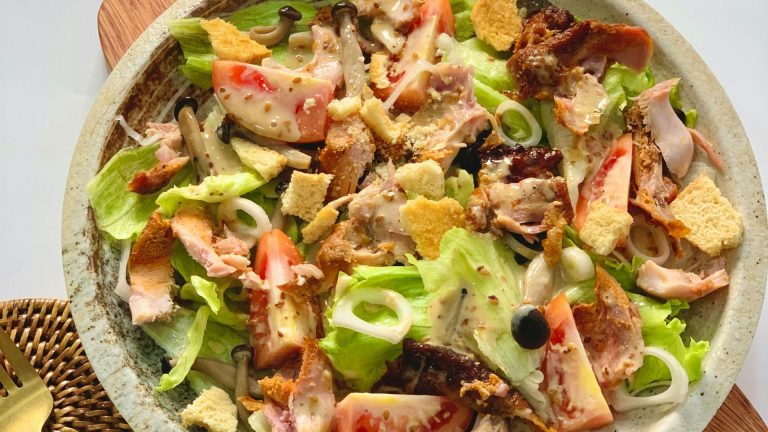
Celery Salad with Sourdough Croutons
Ingredients
For the Salad:
- 6–8 large celery stalks, thinly sliced
- 1/4 cup fresh celery leaves
- 1/4 cup fresh parsley leaves
- 2 tablespoons capers
- 1/4 red onion, thinly sliced
For the Dressing:
- 3 tablespoons extra virgin olive oil
- 2 tablespoons fresh lemon juice
- 1 teaspoon lemon zest
- 1 tablespoon Dijon mustard
- 1/2 teaspoon salt
- 1/4 teaspoon black pepper
For the Croutons:
- 4 cups day-old sourdough bread, cubed
- 3 tablespoons olive oil
- 1/2 teaspoon garlic powder
- 1/4 cup grated Parmesan cheese
- 1 tablespoon fresh dill (or 1 teaspoon dried)
- Salt and pepper to taste
Instructions
- Preheat oven to 350°F – moderate heat allows gradual moisture escape while developing golden-brown exterior without burning.
- Cut day-old sourdough into ¾-inch cubes, keeping some crust. Tearing creates irregular edges that hold oil and seasonings better.
- Toss with olive oil until glistening, using hands for even distribution. Every surface needs coating for consistent browning.
- Season generously – garlic powder, salt, pepper, fresh dill, and Parmesan work beautifully. Don’t be shy; bread absorbs seasoning during baking.
- Spread single layer on parchment-lined sheet. No overcrowding or they’ll steam instead of crisp. Use multiple pans if needed.
- Bake 15-20 minutes until golden, tossing halfway. Watch carefully – can go from perfect to burnt quickly.
- Cool completely before storing airtight up to two weeks.
Notes
- Use large mixing bowl – At least three times salad volume for proper tossing without cramping.
- Start with celery slices – Add first since they handle dressing time without wilting.
- Add sturdy ingredients – Toss in capers, red onion, and parsley that won’t wilt during mixing.
- Pour dressing around edges – Not directly on top. Start with three-quarters, add more as needed.
- Toss with hands – Forget servers. Hands coat more evenly. Gently lift and fold bottom to top.
- Add celery leaves last – Final thirty seconds to prevent bruising delicate leaves.
- Save croutons for serving – Add just before serving to maintain crunch.
![[video] from the seed to the peasant bakery with nicolas supiot](https://www.mydailysourdoughbread.com/wp-content/uploads/2022/11/image-16-120x120.jpeg "[Video – Part 2] Entering Into Peasant Bakery 134")