
Last updated on December 13th, 2025
You spent hours nurturing your sourdough starter and baking the perfect loaf. Learning how to keep sourdough bread fresh means understanding sourdough’s unique structure and using the right storage methods to maintain that crusty exterior and soft, tangy crumb for days or even weeks. Room temperature storage works best for short-term freshness, while freezing preserves quality for months. The secret lies in matching your storage technique to your bread type and timeline. These science-backed methods will help you enjoy every last slice of your homemade sourdough without waste.
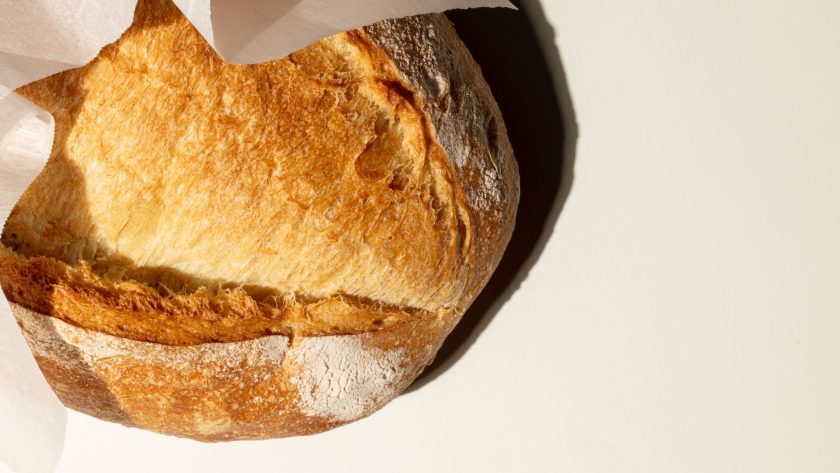
Understanding Sourdough’s Structure
Wild yeast lives naturally in flour and the air around us, and when it ferments sugars in your dough, it produces carbon dioxide that gets trapped in the gluten network. This creates the airy structure in your bread. Wild yeast partners with lactic acid bacteria to break down proteins and develop complex flavors, making sourdough more digestible than commercial bread.
Gluten forms a stretchy protein network that traps gas bubbles and gives bread its structure. Your dough’s hydration level—the water-to-flour ratio—determines crumb texture, with higher hydration creating more open, irregular holes. The crust acts as a protective barrier, sealing in moisture while the long fermentation process creates a developed gluten network and produces acids that help retain water molecules. This structure allows properly baked sourdough to stay fresh for days longer than store-bought bread.
Related: How to Store Sourdough Starter: Tips for Longevity
The Main Causes of Staling
Bread begins staling almost immediately after leaving the oven due to a process called starch retrogradation. During baking, starch molecules absorb moisture and swell at around 150°F, setting the crumb structure. When the loaf cools below gelatinization temperature, starch molecules reform and harden, expelling absorbed water. This internal restructuring causes bread to become progressively firmer and drier.
Multiple factors contribute to bread quality deterioration, including storage temperature, moisture content, water migration, gluten structural changes, and starch retrogradation. Oxygen exposure at cut surfaces accelerates oxidation of fats and compounds, affecting flavor and texture. Temperatures between 34°F and 46°F dramatically speed up the staling process, making refrigeration particularly harmful to bread freshness.
Research shows that sourdough’s acidic conditions actually inhibit amylopectin recrystallization and slow starch retrogradation, which is why sourdough naturally resists staling better than commercial yeast breads. Moderate room temperatures around 64-68°F provide optimal storage conditions. High humidity can soften crusts and create ideal conditions for mold spores, while excessive dryness accelerates moisture loss from the crumb.
Room Temperature Storage
Room temperature storage works best for sourdough you’ll eat within 3-5 days. A simple brown paper bag allows bread to breathe while preventing rapid drying. The paper absorbs excess moisture from the crust without allowing too much air exposure. Let your bread cool completely—at least two hours—before storing.
Once you’ve cut into your loaf, store it cut-side down on a breadboard or transfer it to a bread box. Natural wood bread boxes regulate humidity and maintain steady temperatures effectively. For maximum freshness, slice from the center rather than the ends, then press the cut halves together. The crust acts as a natural seal, protecting the interior.
Key Storage Methods:
- Paper bags: Best for days 1-2, keeps crust crispy, but bread may dry after 48 hours
- Bread boxes: Ideal once cut, prevents drying while maintaining airflow
- Linen or cloth bags: Good for crusty loaves, allows breathing while holding some moisture
- Cut-side down on a cutting board: a simple method that protects the exposed crumb
- Plastic bags: Better for soft-crusted sandwich loaves, not crusty artisan breads
Never store bread in direct sunlight or near heat sources. In humid climates, ensure adequate airflow to prevent mold growth.
Refrigeration: Pros and Cons
Refrigerators create a dry environment because cold air holds less moisture, which helps many foods last longer but accelerates bread staling. Fridge temperatures actually speed up starch retrogradation, the main cause of bread going stale. Your loaf will turn hard and crumbly faster than it would at room temperature.
Cons:
- Dramatically accelerates starch retrogradation and firming
- Dries out bread much faster than room temperature storage
- Ruins crust texture and crumb moisture
- Creates condensation if bread isn’t completely cooled first
- Makes bread suitable only for toasting after storage
Pros:
- May prevent mold in extremely hot, humid climates
- Can extend usability by a day or two if mold is the primary concern
- Better than allowing bread to mold on the counter in tropical conditions
If you must refrigerate due to climate concerns, wrap bread tightly in an airtight container or ziplock bag and accept that the texture will suffer. The bread will be best used for toast or grilled sandwiches rather than for fresh eating.
Related: How To Store Sourdough Discard [Best Method]
Freezing Sourdough
Freezing is the best long-term storage method for sourdough bread. The key to success is proper preparation. Always let bread cool completely—3-4 hours or overnight—before freezing to prevent steam from causing freezer burn. Double-wrap cooled loaves in plastic wrap with no gaps, then add aluminum foil for extra protection. Place in a freezer bag, label with the date, and use within 2-3 months for best quality.
For maximum flexibility, slice the entire loaf and flash-freeze slices on a tray for 10-15 minutes before packing into bags. This prevents sticking and lets you grab individual slices as needed. Frozen slices can be toasted directly from the freezer. Sourdough actually continues developing flavor slowly while frozen, so bread may taste even better after a few weeks.
To thaw whole loaves, leave them in their bag at room temperature for several hours. Refresh thawed bread by spritzing with water and baking at 375°F for 10-15 minutes to restore the crispy crust.
Freezing Best Practices:
- Cool bread completely before wrapping (3-4 hours minimum)
- Double-wrap: plastic wrap first, then aluminum foil
- Remove as much air as possible from bags
- Slice before freezing for convenience
- Flash-freeze slices to prevent sticking
- Label with date and bread type
- Use within 2-3 months for optimal quality
- Toast slices directly from frozen
Reheating and Refreshing
To revive stale or frozen bread, preheat your oven to 375°F, spritz the loaf with water, and bake for 10-15 minutes. The water creates steam that softens the bread before the dry heat crisps the crust. You can wrap the loaf in foil for the first half of reheating to trap moisture, then unwrap for the final minutes to restore crispness.
For individual slices, use a toaster—frozen slices go straight from freezer to toaster, just add an extra minute to your usual time. Create professional-level steam at home by spraying your oven walls with water right after putting bread in, or tossing ice cubes onto a baking tray on the bottom rack. The sudden burst of steam revives the crust beautifully.
Avoiding Common Mistakes
Even experienced bakers make storage mistakes that shorten their sourdough’s shelf life. Here are the most common errors to watch out for:
Storage Mistakes to Avoid:
- Slicing too soon: сutting into hot bread creates a gummy texture and accelerates staling—wait at least 2 hours for the crumb to fully set
- Wrapping crusty bread in plastic immediately: sealed plastic traps moisture that softens the crust and can promote condensation, leading to mold—use paper or cloth first
- Refrigerating bread: fridge temperatures accelerate starch retrogradation, causing bread to go stale faster than room temperature storage
- Storing warm bread: putting bread away before it’s completely cooled creates condensation, ice crystals, and potential mold growth
- Using airtight containers for crusty loaves: breathable storage maintains crust texture better for artisan-style breads
- Exposing bread to direct sunlight or heat: heat sources and sunlight dry out bread rapidly, even in protective storage
- Inadequate wrapping for freezing: single-layer wrapping allows freezer burn—always double-wrap with plastic and foil
The right storage method depends on your bread type, climate, and how quickly you’ll eat it. Crusty artisan loaves need different care than soft sandwich breads.
Your Sourdough Stays Fresh—Here’s How
Now you’ve got the complete playbook for keeping your sourdough at its absolute best. The science is clear: sourdough’s unique structure and natural acidity give it a serious advantage, but only if you store it right. Room temperature storage works perfectly for the first few days, while freezing locks in freshness for months. Skip the fridge—it actually speeds up staling. Match your storage method to how quickly you’ll eat your bread. Finishing that loaf in a couple of days? Keep it on the counter. Got extra? Slice and freeze for toast-ready convenience. With these proven techniques, you’ll waste less bread and always have delicious sourdough ready when the craving hits.
FAQs – How to Keep Sourdough Bread Fresh
What’s the best way to store sourdough bread?
Store sourdough at room temperature in a paper bag or bread box for 3-5 days. Keep uncut loaves in breathable cloth or paper bags to maintain crust crispness. Once sliced, store cut-side down on a cutting board or in a bread box. For longer storage beyond a week, freezing is your best option—double-wrap in plastic and foil, then freeze for up to 2-3 months.
How to prolong the life of sourdough bread?
Freeze sourdough to extend its life for 2-3 months. Let the bread cool completely, then double-wrap in plastic wrap and aluminum foil before freezing. Slice the loaf before freezing for convenience—you can toast slices directly from frozen. At room temperature, store in paper bags or bread boxes, and slice from the center rather than the ends to keep it fresher longer.
How long can sourdough bread stay fresh?
Sourdough bread stays fresh at room temperature for 3-5 days when stored properly in paper bags or bread boxes. Its natural acidity helps it resist staling better than commercial bread. Frozen sourdough maintains quality for 2-3 months. The bread stays freshest during the first 2-3 days, with the crust remaining crispy and the crumb soft when stored in breathable materials.
Why put sourdough bread in the fridge?
Don’t put sourdough bread in the fridge—it actually speeds up staling. Refrigerator temperatures between 34°F and 46°F accelerate starch retrogradation, making bread hard and crumbly faster than room temperature storage. The only exception is extremely hot, humid climates where mold grows rapidly. If you must refrigerate, wrap tightly and use the bread for toast or grilled sandwiches rather than fresh eating.




![[video] from the seed to the peasant bakery with nicolas supiot](https://www.mydailysourdoughbread.com/wp-content/uploads/2022/11/image-16-120x120.jpeg "[Video – Part 2] Entering Into Peasant Bakery 7")
