
Homemade sourdough sandwich bread often disappoints with a tough texture and too much chew. Traditional sourdough methods create beautiful open crumbs and crackling crusts—perfect for dipping, terrible for holding fillings. The secret to soft sourdough sandwich bread lies in strategic tweaks to hydration, enrichments, and baking temperature. With moderate hydration (65-70%), added fats like butter, and proper milk proteins, you’ll create a pillowy texture that maintains its tenderness for days. No more store-bought compromises or sandwich disasters—just perfect slices that’ll make your lunch the envy of the break room.
What Makes Sourdough Sandwich Bread “Soft”
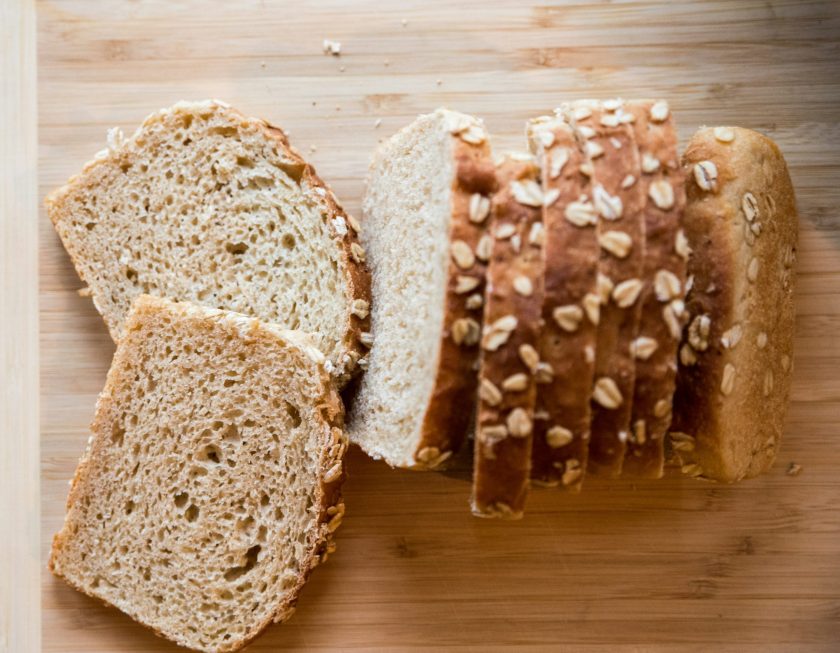
Soft sourdough sandwich bread achieves its pillowy texture through strategic dough enrichment, adding fats like butter or oil that coat gluten strands, preventing tough networks from forming. Milk proteins and sugars tenderize the crumb while improving moisture retention. Unlike crusty artisan loaves that thrive at 75-85% hydration, sandwich sourdough works best at a moderate 65-70% hydration for that tight, even crumb that’s perfect for sandwiches.
The fermentation approach differs too—slightly shorter, warmer bulk fermentation promotes flavor without excessive gluten strength that could make your crumb too chewy. For perfect tenderness, bake at lower temperatures (350-375°F rather than 450°F+) and consider using a covered Pullman pan that traps internal moisture.
The tangzhong technique—cooking a portion of flour with liquid to create a moisture-retaining gel—can dramatically extend the soft texture of your bread. After baking, wrapping the warm loaf in a clean kitchen towel helps preserve that tender quality we’re chasing in sandwich bread.
Ingredients
- 150g active sourdough starter (100% hydration)
- 500g bread flour
- 50g whole wheat flour (optional for flavor)
- 60g unsalted butter, softened (or 45g olive oil)
- 300g whole milk, room temperature
- 15g honey (optional for sweetness)
- 10g salt
- 1 tbsp dried milk powder (optional for extra softness)
Sourdough Starter Health & Preparation
For soft sandwich bread, maintaining a healthy, active starter is essential. Here’s how to ensure your starter will create that perfect loaf:
- Feed your starter at a 1:1:1 ratio (by weight) of starter, flour, and water for balanced activity. Adjust to 1:2:2 or 1:3:3 during warmer months to prevent overfermentation.
- Use your starter at peak activity – when it’s doubled in size, smells pleasantly yeasty, and passes the float test (a small amount floats in water).
- Control sourness by manipulating temperature – warmer fermentation (75-80°F) creates a milder flavor perfect for sandwich bread, while cooler temperatures produce more tang.
- Use younger starters (4-6 hours after feeding) for milder-tasting sandwich bread that won’t overpower your fillings.
- Reinvigorate sluggish starters with twice-daily feedings at room temperature for several days.
- Add 10% whole grain rye or whole wheat flour to your starter feeding to jumpstart activity, thanks to additional nutrients and wild yeasts.
- Maintain consistency with your feeding schedule, flour blend, and water source to establish a predictable rhythm that makes planning your baking schedule easier.
- Keep a simple log of feeding times and activity levels to track your starter’s performance and adjust as needed.
- For sandwich bread specifically, aim for a starter that reliably doubles within 4-6 hours after feeding for proper rise and flavor development.
- Store your starter in a clear container with straight sides to easily monitor growth and activity level.
Related: Amazing Sourdough Sandwich Creations
Step-by-Step Recipe
- Mix the active starter (150g) with room temperature milk (300g) and honey (15g) in a large bowl until smooth. Using slightly warm milk (around 80°F) can help kickstart fermentation if your kitchen is cool.
- Add bread flour (500g), whole wheat flour (50g), milk powder (1 tbsp), and salt (10g). Mix until a shaggy dough forms, then gradually incorporate the softened butter (60g). Butter should be soft but not melted for optimal incorporation.
- Knead for 8-10 minutes until the dough passes the window pane test – when stretched thin, it should become translucent without tearing. Don’t rush this step; proper gluten development is crucial for structure.
- Place in an oiled bowl and let ferment at room temperature (around 75°F) for 3-4 hours total, performing 3-4 stretch-and-folds every 30 minutes. Look for a 50% increase in volume, not the full doubling that artisan loaves require. The dough should feel puffy with small bubbles visible under the surface.
- Shape by pressing dough into a rectangle the width of your loaf pan, fold the bottom third up and top third down like a letter, then roll from one short end to the other. Pinch the seam tightly and seal the ends by pinching them under. A tight seal prevents unwanted air bubbles in your final loaf.
- Place seam-side down in a greased 9×5-inch loaf pan and let rise until crowned 1 inch above the rim (2-3 hours) or overnight in the refrigerator for enhanced flavor. The slow refrigerator fermentation creates more complex flavors while giving you flexible timing.
- Check readiness with the poke test – press a floured finger ½-inch into the dough; it should spring back slowly with a slight indentation remaining. If it springs back immediately, it needs more time.
- Preheat oven to 350°F and optionally brush the top with milk for a golden crust. For extra tenderness, place a shallow pan of water on the bottom rack during preheating to create steam.
- Bake for 35-40 minutes until internal temperature reaches 190-195°F. This lower temperature (compared to artisan breads) preserves moisture for softness. Use a digital thermometer for accuracy.
- Immediately remove from the pan and wrap in a clean kitchen towel to trap steam and soften the crust as it cools. This “towel steaming” technique is essential for that perfect sandwich bread texture.
- Allow to cool completely for at least 2 hours before slicing to prevent gumminess and maintain moisture. Pre-slice and freeze what you won’t eat within 2-3 days for maximum freshness.
Tips for Extra Softness
Looking to take your sourdough sandwich bread from good to heavenly?
- Try the tangzhong method – Cook 5-10% of your flour with water until it forms a pudding-like gel that locks moisture into your bread and extends freshness
- Balance your enrichments – Substitute part of the butter with oil for longer-lasting softness, and aim for 60-70% milk in your total liquid for the perfect tender crumb
- Create a steamy environment – Place a cast iron pan with water on the bottom rack during baking, or cover your loaf with foil for the first two-thirds of bake time
- Lower your temperature – Bake at a gentle 350°F instead of the high heat used for crusty artisan loaves
- Brush with butter – Apply melted butter or milk to the hot crust immediately after baking to soften it
- Wrap while warm – The “towel technique” redistributes moisture from crumb to crust for that perfect sandwich texture
Storage & Shelf Life
The secret to keeping your sourdough sandwich bread fresh starts with proper cooling. Allow your loaf to cool completely (2-3 hours) on a wire rack before slicing to prevent gumminess.
For short-term storage (2-3 days), keep bread at room temperature in a bread box or specialized bread bag with microperforations. Avoid plastic grocery bags, which trap moisture and encourage mold. Keep bread away from sunlight and heat sources.
For longer storage, freeze your completely cooled, pre-sliced bread. Wrap slices in small bundles with parchment paper, then place in freezer bags with air removed. Frozen bread maintains quality for up to three months. Thaw slices at room temperature or toast on low heat.
Avoid refrigerating your bread – the cold temperature (35-40°F) accelerates staling. If refrigeration is unavoidable, always bring bread to room temperature before serving for the best texture.
Related: Sourdough Rye Sandwich Bread Recipe – Soft and Delicious
Variations
- Sweet additions: Add 1-2 tablespoons of honey, maple syrup, or molasses for subtle sweetness that enhances yeast activity
- Grain variations: Substitute up to 30% whole wheat, rye, or spelt flour (increase hydration by 5%)
- Seed mix-ins: Fold in 2-3 tablespoons of toasted sunflower, pumpkin, sesame, or flax seeds during the final stretch and fold
- Herb infusions: Add 1 tablespoon fresh herbs like rosemary, thyme, or dill for aromatic sandwiches
- Savory options: Incorporate roasted garlic, sun-dried tomatoes, or olives (pat dry first!)
- Dairy-free adaptations: Replace milk with oat milk and butter with olive oil (reduce by 25%)
- Spice blends: Cinnamon, cardamom, and nutmeg create perfect breakfast toast loaves
Remember that wet add-ins require slightly reduced hydration (5-10g).
Your Perfect Sourdough Sandwich Loaf Awaits
Creating dreamy, soft sourdough sandwich bread is doable with a few key tricks. Unlike crusty artisan loaves, the magic happens with enriched dough (hello butter and milk!), moderate hydration (65-70%), and gentler baking temps. Keep your starter happy, use the tangzhong method for extra moisture, and don’t forget that post-bake towel wrap for ultimate tenderness. Whether you’re adding herbs, seeds, or keeping it classic, you’ll never look at store-bought bread the same way again!
FAQs
How to get softer sourdough bread?
To achieve softer sourdough bread, add enrichments like butter, milk, and eggs to your dough. Use lower hydration (65-70%) for a tighter crumb. Incorporate the tangzhong method by cooking 5-10% of your flour with liquid first. Bake at a lower temperature (350°F instead of 450°F), and wrap the warm loaf in a kitchen towel immediately after baking to trap moisture in the crust.
What is the difference between sourdough bread and sourdough sandwich bread?
Traditional sourdough bread typically has a crusty exterior, open crumb structure, and is baked at high temperatures (450°F+). Sourdough sandwich bread is enriched with fats and dairy, has a tighter, more uniform crumb structure, and is baked at lower temperatures (350-375°F). Sandwich bread prioritizes softness and sliceability, while artisan sourdough emphasizes crust development and irregular air pockets.
Is sourdough bread supposed to be soft?
Traditional artisan sourdough isn’t typically soft—it features a crackling crust and chewy interior. However, sourdough can be made soft by adjusting techniques: adding enrichments (butter, milk), using moderate hydration, baking at lower temperatures, and implementing methods like tangzhong. The style depends entirely on your preference and intended use—crusty for dipping, soft for sandwiches.