
Last updated on July 29th, 2026
Sourdough muffins are what happens when your discard stops being a chore and starts being the best thing in your kitchen. Most bakers default to pancakes or crackers — but they’re seriously sleeping on this one.
You’ll find everything you need right here — how to use your starter or discard, which ingredients matter most, foolproof recipes, flavor variations, and storage tips that actually work. The fermentation does the heavy lifting. You just mix, bake, and take all the credit.
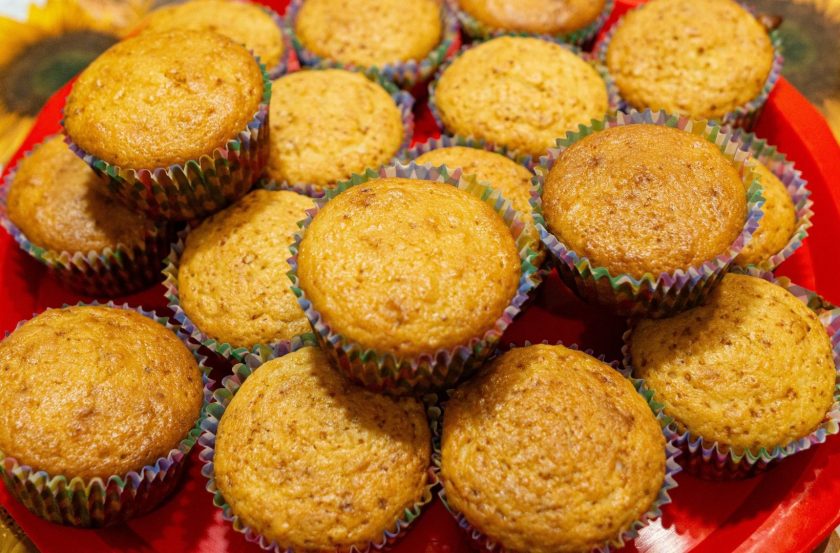
What Makes Sourdough Muffins Different From Regular Ones?
The difference comes down to fermentation. Regular muffins rely on baking powder or baking soda for their rise — quick, chemical, and straightforward. Sourdough muffins bring wild yeast and lactic acid bacteria into the mix, and that changes everything about the final result.
The fermentation process develops a subtle tang that regular muffins simply don’t have. It also breaks down the flour differently, creating a crumb that’s more tender, stays moist longer, and has genuine depth of flavor. You’re not just tasting sweetness and whatever mix-ins you threw in — you’re tasting layers.
There’s also the practical side. Sourdough muffins are one of the best ways to use up the discard instead of tossing it. Same pantry staples, same effort, but a noticeably better muffin.
Sourdough Starter vs. Discard — Which to Use
The active starter is fed, bubbly, and at peak activity. It adds real leavening power alongside your baking powder, producing a lighter texture and more pronounced tang. The downside is timing — you need to plan 4–8 hours ahead.
Discard is the unfed portion removed before feeding your main jar. It won’t add much rise on its own, but it delivers great flavor and works with baking powder to produce excellent muffins whenever you’re ready to bake. Cold discard straight from the fridge is perfectly fine — let it sit 20–30 minutes at room temperature if you can, but it’s not essential.
For most home bakers, discard is the everyday choice. An active starter is worth it when you want maximum lift and tang.
Related: Easy Sourdough Pumpkin Spice Muffins
Classic Sourdough Muffin Base Recipe
What You’ll Need
- 1 cup sourdough discard (active or unfed)
- 1 ½ cups all-purpose flour
- ½ cup brown sugar
- 2 large eggs
- ⅓ cup melted butter (or neutral oil)
- ½ cup whole milk
- 1 ½ tsp baking powder
- ½ tsp baking soda
- ½ tsp salt
- 1 tsp vanilla extract
The Method
Preheat your oven to 425°F and grease your muffin tin or line it with paper liners. If you want extra insurance against sticking, hit the inside of the liners with a quick spray of cooking oil — it makes a real difference, especially with fruit-heavy batters.
In one bowl, whisk together your dry ingredients: flour, baking powder, baking soda, salt, and sugar. Make sure everything is evenly distributed before the wet ingredients go in — uneven leavening is a sneaky cause of inconsistent rise across the batch.
In a second bowl, combine the wet ingredients: eggs, melted butter, milk, vanilla, and sourdough discard. Whisk until smooth. If your discard is cold from the fridge, let it sit for 20 minutes first — cold batter mixed with warm melted butter can seize up and turn lumpy in a way that’s hard to fix.
Pour the wet ingredients into the dry and stir until just combined. You want to see a few streaks of flour still — that’s completely fine. Overmixing develops too much gluten and results in dense, tough muffins. Less stirring is always better here.
Fold in any mix-ins gently with a rubber spatula, making sure they’re evenly distributed without overworking the batter. Then let everything rest for 5–10 minutes. This short rest gives the baking powder time to activate and lets the flour fully hydrate, which translates to a more even, tender crumb once baked.

The Dome Secret
Here’s where most home bakers leave results on the table. Fill your muffin cups all the way to the top — don’t hold back. A full cup is what gives you that tall, round dome instead of a flat, disappointing top.
Bake at 425°F for the first 5 minutes before dropping the temperature to 375°F for the remaining 15–18 minutes. That initial high heat creates a rapid oven spring, pushing the batter upward fast before the edges have a chance to set. Once the structure firms up around the outside, the center keeps rising — and that’s your dome.
Don’t open the oven door during those first 5 minutes. Every time you crack it open, you release heat and risk collapsing that rise before it’s locked in.
Test doneness with a toothpick inserted into the center of a middle muffin — those take the longest to bake through. A clean pull means they’re done. A few moist crumbs clinging to the toothpick are fine; wet, glossy batter means they need another 2–3 minutes.
Let the muffins cool in the pan for 5 minutes before transferring to a wire rack. Pulling them out too early risks breaking the structure while it’s still setting. Give them those few minutes, and they’ll release cleanly every time.
Popular Flavor Variations
Once you’ve got the base recipe down, the variations are easy. Here are three worth making:
- Sourdough Blueberry Muffins — Fold in 1 cup of fresh or frozen blueberries (don’t thaw frozen ones) and a teaspoon of lemon zest. Top with a simple streusel of butter, flour, sugar, and cinnamon before baking.
- Chocolate Sourdough Muffins — Replace ¼ cup of flour with Dutch-process cocoa powder and stir in ¾ cup of chocolate chips. A half teaspoon of espresso powder amplifies the chocolate without adding coffee flavor.
- Savory Sourdough Muffins — Reduce the sugar to 1 tablespoon and fold in ¾ cup shredded sharp cheddar, 2 tablespoons chopped chives, and a diced jalapeño for heat. These pair perfectly with eggs at brunch or alongside a bowl of chili.
Related: Sourdough Cranberry Muffins – Easy Yummy Recipe
Common Mistakes and How to Fix Them
Overmixing the batter is the most common culprit behind tough, dense muffins. When you overmix, you develop excess gluten, resulting in a rubbery crumb and a flat top. Stir until just combined — lumpy batter is completely normal.
Using old or inactive discard can tank your results. Discard that’s been sitting unfed for more than two weeks, turns overly acidic and sluggish. The muffins won’t rise properly, and the flavor tips from tangy to unpleasantly sour. Keep discard no older than 10–14 days.
An uncalibrated oven is a silent problem. An oven running 25°F too cool kills oven spring, producing flat-topped, pale, dense muffins. An inexpensive oven thermometer solves this immediately.
Underfilling or overfilling the muffin tin affects both shape and texture. Underfilled cups produce stumpy muffins with no dome. Overfilled cups overflow and bake into each other. Fill right to the rim for best results.
Substitutions for Basic Ingredients
Not everyone has every ingredient on hand — and that’s fine. Sourdough muffin batter is forgiving.
- Butter → Replace with an equal amount of melted coconut oil or neutral vegetable oil. The flavor will be slightly milder, but the texture holds up well.
- Whole milk → Any non-dairy milk works — oat, almond, and soy all perform reliably. Full-fat versions produce the best crumb.
- Eggs → Use a flax egg (1 tablespoon ground flaxseed + 3 tablespoons water, rested for 5 minutes) or a commercial egg replacer. Expect a slightly denser texture.
- All-purpose flour → Swap up to 50% with whole wheat flour for a heartier muffin. For a gluten-free version, a 1:1 gluten-free baking flour blend works reasonably well, though the crumb will be slightly more crumbly.
- Brown sugar → Substitute with an equal amount of coconut sugar, maple syrup (reduce other liquids by 2 tablespoons), or honey. Each adds its own subtle flavor note.
- Baking powder → If you’re out, use ¼ teaspoon baking soda plus ½ teaspoon cream of tartar per teaspoon of baking powder needed.
Storage and Freezing
Store cooled muffins in an airtight container at room temperature for up to 3 days. Line the bottom of the container with a paper towel to absorb excess moisture, and leave the lid slightly open for the first hour after baking to let steam escape — sealing them warm makes them gummy.
Skip the refrigerator. It dries muffins out faster than the counter does. If you need to store them beyond 3 days, go straight to the freezer. Wrap each muffin individually in plastic wrap, place them in a freezer bag, and they’ll keep well for up to 3 months. Individual wrapping prevents freezer burn and lets you grab just one or two at a time.
To reheat, bake from frozen at 350°F for 10–12 minutes, or microwave for 30–45 seconds. For the best texture, a toaster oven at 350°F for 8–10 minutes crisps the exterior while warming the inside evenly.
Don’t Let That Discard Go to Waste
With the right ingredients, a hands-off mixing technique, and a hot oven, you’re looking at a batch of muffins that blows anything store-bought clean out of the water. The fermentation does the heavy lifting — better flavor, better texture, better nutrition — all from ingredients you already have sitting on your counter.
Nail the basics, dodge the common mistakes, and don’t be afraid to experiment with flavors. Whether you go classic blueberry or full-on jalapeño cheddar, one thing’s for sure — that jar of discard in your fridge is about to become your most valuable kitchen asset.
FAQs
Are Sourdough Muffins Healthier Than Regular Muffins?
Generally, yes. The fermentation process breaks down phytic acid, improving mineral absorption and lowering the glycemic index compared to conventionally leavened muffins. They’re also easier to digest for many people. That said, they’re still muffins — the health edge comes from fermentation, not a dramatic change in calories or macros.
What Does Sourdough Do to Muffins?
Sourdough transforms the texture, flavor, and nutritional profile. The fermentation adds a subtle tang, creates a more tender crumb, and keeps muffins moist longer than regular recipes. It also partially breaks down gluten and starches before baking, making them easier on digestion. Think of it as upgrading your standard muffin without adding any extra effort.

Sourdough Muffins
Regular muffins rely on baking powder or baking soda for their rise — quick, chemical, and straightforward. Sourdough muffins bring wild yeast and lactic acid bacteria into the mix, and that changes everything about the final result.
Ingredients
- 1 cup sourdough discard (active or unfed)
- 1 ½ cups all-purpose flour
- ½ cup brown sugar
- 2 large eggs
- ⅓ cup melted butter (or neutral oil)
- ½ cup whole milk
- 1 ½ tsp baking powder
- ½ tsp baking soda
- ½ tsp salt
- 1 tsp vanilla extract
Instructions
- Preheat and prep: Heat oven to 425°F and grease or line your muffin tin.
- Mix dry ingredients: Whisk together flour, baking powder, baking soda, salt, and sugar until evenly combined.
- Mix wet ingredients: In a separate bowl, whisk eggs, melted butter, milk, vanilla, and sourdough discard until smooth.
- Combine: Pour wet ingredients into dry, stirring just until combined — a few flour streaks are fine.
- Fold in mix-ins: Gently fold in any add-ins with a rubber spatula without overworking the batter.
- Rest the batter: Let it sit 5–10 minutes to activate the baking powder and hydrate the flour.
- Fill the cups: Fill muffin cups all the way to the top for a tall, domed rise.
- Bake at high heat: Bake at 425°F for 5 minutes without opening the oven door.
- Lower and finish baking: Drop to 375°F and bake 15–18 minutes, until a toothpick in a center muffin comes out with a few moist crumbs.
- Cool: Let muffins cool in the pan 5 minutes before transferring to a wire rack.
Notes
Sourdough Blueberry Muffins — Fold in 1 cup of fresh or frozen blueberries (don’t thaw frozen ones) and a teaspoon of lemon zest. Top with a simple streusel of butter, flour, sugar, and cinnamon before baking.