Last updated on October 22nd, 2025
If you’ve been feeding a sourdough starter, you know the drill. Every time you refresh it, you’re left with a jar of discard that feels too precious to throw away but mysterious enough that you’re not quite sure what to do with it. I used to let mine pile up in the fridge, promising myself I’d find a recipe “eventually,” until I discovered that the simplest approaches work best.
These three four-ingredient recipes changed how I think about discard entirely. No complicated steps, no waiting around for dough to rise, and no specialty ingredients you need to hunt down at three different stores. Each one takes a different direction with that tangy discard, giving you options depending on what you’re in the mood to make.
What We’ll Learn Today
These three recipes turn sourdough discard into delicious food using just four simple ingredients each.
Make flatbreads with discard, flour, salt, and olive oil; crispy crackers with discard, flour, olive oil, and salt; or quick pancakes with discard, egg, sugar, and baking soda.
All recipes are ready in under 30 minutes and help reduce waste from maintaining a sourdough starter.
| Recipe | Active Time | Total Time | Difficulty |
|---|---|---|---|
| Flatbreads | 20 minutes | 25 minutes | Easy |
| Crackers | 15 minutes | 30 minutes | Easy |
| Pancakes | 5 minutes | 15 minutes | Very Easy |
Recipe 1: Sourdough Discard Flatbreads
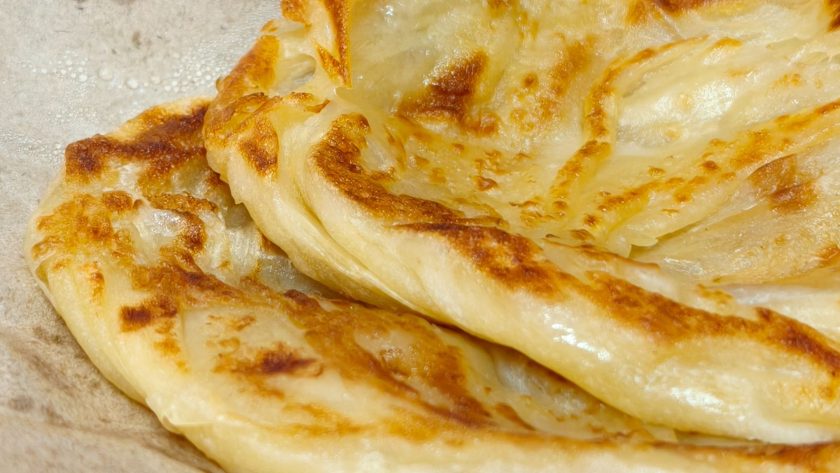
These flatbreads stay tender without needing any active fermentation, which means you can make them immediately after mixing. The discard adds flavor and that slightly tangy undertone that makes everything taste more interesting than plain flour-and-water dough.
The dough comes together faster than you’d expect. Once you mix everything, you’ll have a soft, pliable dough that’s genuinely enjoyable to work with.
When you’re rolling out the individual pieces, aim for thin but not translucent. About an eighth of an inch thick gives you flatbreads that are pliable enough to fold but substantial enough to hold fillings.
Yield: 6 flatbreads
Difficulty: Easy
Ingredients
- 1 cup (240g) sourdough discard
- 1½ cups (180g) all-purpose flour, plus more for dusting
- ¾ teaspoon salt
- 2 tablespoons olive oil, plus more for cooking
Instructions
- Mix the dough: In a medium bowl, combine the sourdough discard, flour, salt, and olive oil. Stir with a wooden spoon until the mixture comes together into a shaggy dough.
- Knead briefly: Turn the dough onto a lightly floured surface and knead for about 2 minutes, just until smooth. The dough should be soft but not sticky. If it feels too wet, add flour one tablespoon at a time.
- Divide: Cut the dough into 6 equal pieces and shape each into a ball.
- Roll out: On a floured surface, roll each ball into a thin circle about 6-7 inches in diameter. Don’t worry about making them perfectly round.
- Cook: Heat a large skillet over medium-high heat. Brush lightly with olive oil. Cook each flatbread for 1-2 minutes per side until golden brown spots appear and the bread puffs slightly.
- Keep warm: Stack cooked flatbreads on a plate and cover with a kitchen towel to keep them soft.
Storage
Store in an airtight container at room temperature for 2 days, or refrigerate for up to 5 days. Reheat in a dry skillet for 30 seconds per side.
Uses and Variations
For breakfast wraps, sandwich wraps, personal pizzas, or tear them up for dipping into hummus or tzatziki.
Brush them with garlic butter right when they come off the pan, or sprinkle za’atar or sesame seeds on top before cooking.
Recipe 2: Sourdough Discard Crackers
Crackers are one of the most forgiving things you can make with discard.
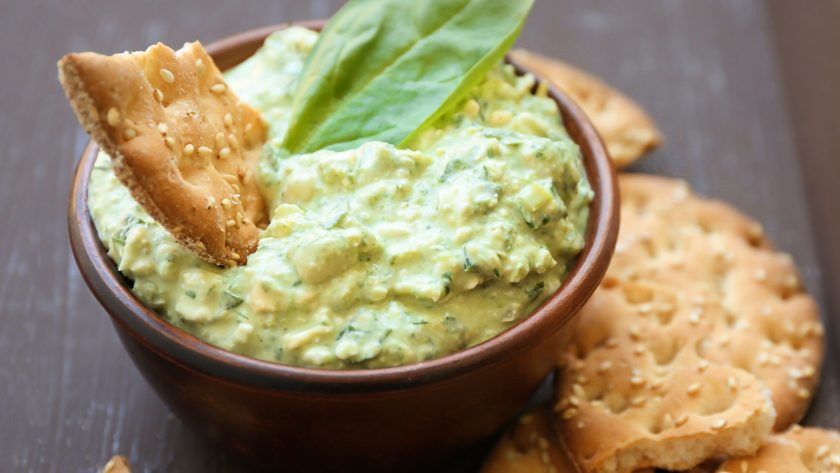
The thin rolling and hot oven evaporate most of the moisture, leaving you with crisp, snappy crackers that actually taste better than store-bought versions. The slight tang from the discard pairs well with cheese, dips, or just eaten plain as a snack.
Rolling them thin is what makes or breaks this recipe. Thick crackers turn out more like hard bread than crackers. You want them almost translucent in spots.
Don’t worry if they’re not perfectly uniform in thickness—the thinner parts will get extra crispy while thicker spots stay just a bit chewy, which honestly adds nice texture variation.
Yield: About 40 crackers
Difficulty: Easy
Ingredients
- 1 cup (240g) sourdough discard
- 1 cup (120g) all-purpose flour
- 3 tablespoons olive oil
- ¾ teaspoon salt, plus more for sprinkling
Instructions
- Preheat: Set your oven to 350°F (175°C). Line two baking sheets with parchment paper.
- Mix: Combine the sourdough discard, flour, olive oil, and salt in a bowl. Stir until a smooth dough forms. The dough should be soft but not wet.
- Roll thin: Divide the dough in half. Place one half on a piece of parchment paper and roll it out as thin as possible, about 1/16 inch thick. The thinner you roll, the crispier your crackers will be.
- Cut and season: Use a pizza cutter or knife to cut the dough into squares or rectangles. Sprinkle lightly with additional salt. Prick each cracker a few times with a fork to prevent puffing.
- Bake: Transfer the parchment paper with crackers directly onto a baking sheet. Bake for 18-22 minutes, checking at 15 minutes. Remove crackers as they turn golden brown at the edges. Some will be done before others.
- Cool completely: Let crackers cool on the baking sheet. They’ll crisp up as they cool.
Storage
Store in an airtight container at room temperature for up to 2 weeks.
Flavor Variations
Before baking, try sprinkling on:
- Everything bagel seasoning
- Dried rosemary and coarse salt
- Garlic powder and parmesan
- Black pepper and sea salt
- Smoked paprika
Recipe 3: Sourdough Discard Pancakes
This is the fastest way to use up discard, hands down.
You get fluffy pancakes without adding flour, milk, or any other typical pancake ingredients. They’re tangier than regular pancakes, which I actually prefer because it balances out sweet toppings like syrup or jam.
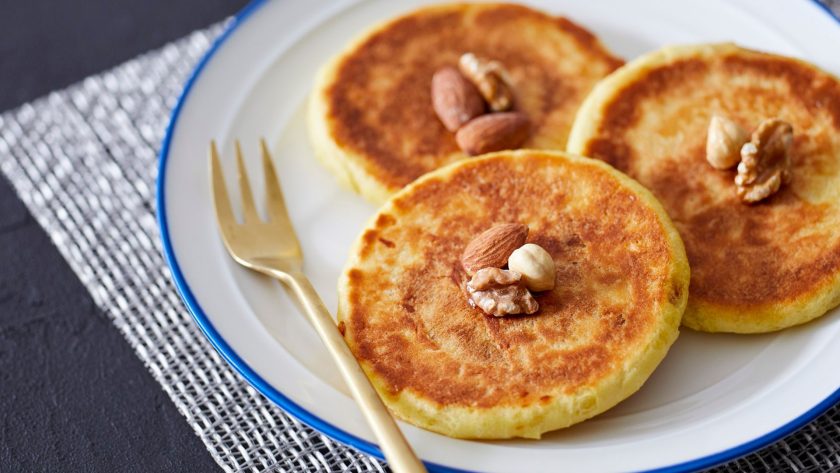
The texture is somewhere between a crepe and a traditional pancake—not as thick and fluffy as buttermilk pancakes, but more substantial than a thin crepe. They’re tender with slightly crispy edges, and that sourdough flavor makes them taste more complex than standard pancakes.
Yield: 8-10 small pancakes
Difficulty: Very Easy
Ingredients
- 1 cup (240g) sourdough discard
- 1 large egg
- 1 tablespoon sugar
- ½ teaspoon baking soda
Instructions
- Mix: In a medium bowl, whisk together the sourdough discard, egg, sugar, and baking soda. The batter will be thicker than regular pancake batter and will bubble slightly from the baking soda reacting with the acidic discard.
- Rest briefly: Let the batter sit for 2-3 minutes. It will puff up slightly and become airier.
- Heat the pan: Warm a griddle or large skillet over medium heat. Lightly grease with butter or oil.
- Cook: Pour about ¼ cup of batter for each pancake. Cook until bubbles form on the surface and the edges look set, about 2-3 minutes. Flip and cook for another 1-2 minutes until golden brown.
- Serve warm: Stack and serve immediately with butter, maple syrup, or your favorite toppings.
Storage
Store leftover pancakes in the refrigerator for up to 3 days. Reheat in a toaster or microwave.
Serving Suggestions
These pancakes work well with:
- Fresh berries and whipped cream
- Sliced bananas and peanut butter
- Yogurt and honey
- Savory toppings like cream cheese and smoked salmon
- Simple butter and a squeeze of lemon
Choosing Your Recipe
Each of these recipes serves a different purpose. The flatbreads are what I make when I need something functional—wraps for lunch, something to serve with dinner, bread for sandwiches. They’re soft, pliable, and useful.
The crackers are my go-to when I’m planning ahead. They last longer than the flatbreads, store well, and I can pull them out whenever I want a snack or need something to serve with cheese.
The pancakes are for weekend mornings or when I suddenly realize my discard jar is overflowing and I need to use some up immediately. They’re fast, require almost no dishes, and feel more indulgent than the other two options.
Tips That Apply to All Three
- Use discard straight from the fridge or at room temperature. It doesn’t matter how old it is or when it was last fed. For these recipes, you’re using the discard for flavor and structure, not for leavening power.
- Don’t stress about precise measurements for the discard. If you have slightly more or less than a cup, adjust the other ingredients by feel. The dough or batter should look right—neither too wet nor too dry—and that matters more than exact gram measurements.
- Make these recipes often enough that they become routine. That’s when you stop seeing discard as a problem and start seeing it as an ingredient you actually want to have on hand.
The Practical Reality
These recipes won’t solve all your discard problems if you’re maintaining a large starter, but they make a real dent.
Each one uses a cup of discard, which is roughly what you generate from one or two feedings depending on your ratios. Rotate through these recipes, and you’ll actually keep up with your starter instead of drowning in jars of discard.
The simplicity is what makes these stick around. Four ingredients each, minimal time investment, and results that are genuinely useful rather than just a way to avoid guilt about waste.
Once you’ve made each recipe a few times, you won’t need to look at the measurements anymore. They become muscle memory, the kind of cooking you can do while thinking about something else entirely.