Last updated on January 21st, 2026
The buzz around fermented foods has everyone asking: does sourdough have probiotics? It’s a fair question, especially when you see that bubbling starter packed with lactic acid bacteria doing its magic. Sourdough begins with wild yeast and beneficial bacteria, creating those signature tangy flavors through natural fermentation. But the relationship between sourdough bread and gut health isn’t quite as straightforward as you might think. While the fermentation process is absolutely real and creates genuine benefits, what happens when that dough hits the oven changes everything. Understanding the truth about sourdough bacteria and digestive health helps you make smarter choices about this delicious fermented bread.
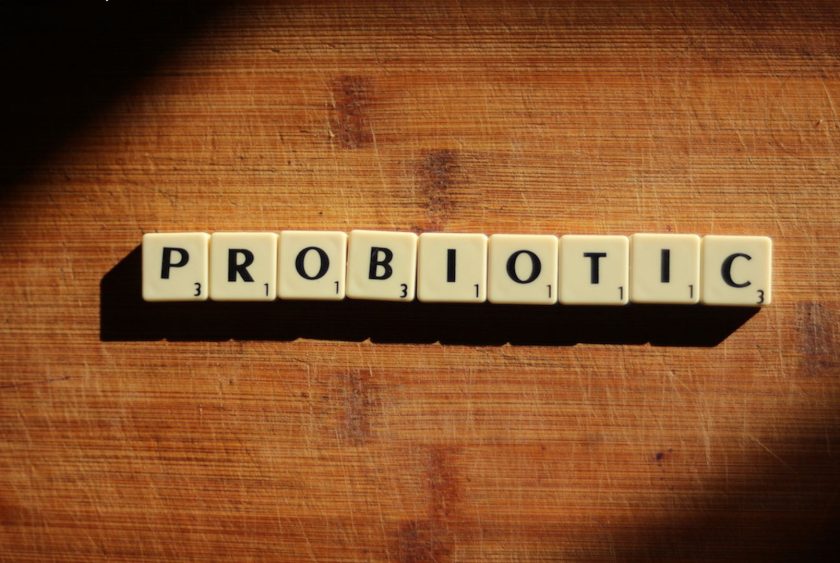
Does Baking Kill Probiotics?
Here’s the reality: Lactic acid bacteria can’t survive extreme heat. Research shows these microorganisms start dying rapidly at temperatures above 120-140°F (50-60°C). Sourdough bread typically bakes between 350-475°F (175-245°C), which is way beyond what any probiotic can tolerate.
Even the cooler center of your loaf reaches temperatures high enough to eliminate the vast majority of live cultures. The heat denatures proteins, ruptures cell walls, and kills the bacteria. Some recent research suggests certain strains, like Lactobacillus plantarum, might go dormant rather than die completely, potentially reactivating during storage. However, this is still being studied, and even if true, only a tiny fraction of the original bacteria would survive in an inactive state. The bottom line is that baked sourdough doesn’t contain meaningful amounts of live probiotics.
Are There Any Probiotics in Sourdough?
Your raw sourdough starter absolutely contains probiotics—it’s a living culture teeming with beneficial bacteria and wild yeast. If you eat a spoonful of active starter straight from the jar, you’re getting genuine live cultures that could benefit your gut.
The finished bread tells a different story. Once you’ve baked that dough at high temperatures, the live cultures simply don’t survive. Your crusty loaf won’t colonize your gut with friendly bacteria the way yogurt or kimchi would. There might be trace amounts of bacterial activity if you somehow baked at very low temperatures for extended periods, but that’s not how anyone actually makes sourdough. The textures and flavors of good sourdough require those higher baking temperatures that eliminate live cultures.
Related: Sourdough Probiotics: What You Need to Know!
Health Benefits of Sourdough
Sourdough offers impressive digestive benefits even without live probiotics:
- Rich in prebiotics: The fermentation process increases prebiotic fibers that feed beneficial bacteria already living in your gut, helping them thrive and multiply
- Enhanced nutrient absorption: Lactic acid bacteria break down phytic acid during fermentation, unlocking minerals like iron, zinc, and magnesium that would otherwise remain bound and unavailable
- Easier digestion: The long fermentation breaks down gluten proteins and reduces compounds that can trigger digestive discomfort, making it gentler on sensitive stomachs
- Lower glycemic index: Fermentation changes how your body digests carbohydrates, releasing energy more slowly and avoiding blood sugar spikes
- Contains postbiotics: Beneficial compounds created during fermentation remain in the bread, including short-chain fatty acids that support gut health
How to Get Probiotics From Bread
Want to maximize gut health benefits? Pair your sourdough with actual probiotic foods. The bread’s prebiotic content makes it perfect for combining with live cultures.
Top your sourdough with cultured butter, cream cheese with live cultures, miso paste, or yogurt-based spreads. Try grilled cheese with kimchi, sauerkraut, and hummus, or kefir cheese on toast. These combinations give you both prebiotics from the bread and probiotics from the toppings.
Some bakers add a tablespoon of raw, active starter to smoothies or other cold preparations to get live cultures. This isn’t for everyone due to raw flour safety considerations and the acquired taste, but it’s an option if you’re maintaining a starter anyway.
Common Myths About Sourdough and Probiotics
“All sourdough is probiotic” – While sourdough involves fermentation and beneficial bacteria, calling the finished bread probiotic is misleading. Probiotics must be alive when consumed and survive to benefit your gut. Baked sourdough doesn’t meet this criteria.
“Baking preserves the beneficial bacteria” – Heat kills bacteria, which is why cooking makes food safe. The beneficial microbes work during fermentation, but they don’t survive baking. What remains are the prebiotics, postbiotics, and structural changes they created.
“Sourdough works like yogurt for gut health” – Both are fermented, but function differently. Yogurt delivers live probiotic bacteria directly to your gut. Sourdough provides prebiotics and postbiotics that feed and support the bacteria already there.
The Bottom Line on Sourdough and Gut Health
Baked sourdough doesn’t contain live probiotics—those lactic acid bacteria don’t survive oven temperatures. Your raw starter is packed with beneficial cultures, but the heat eliminates them from the finished loaf. That doesn’t diminish sourdough’s value, though. The fermentation creates prebiotics that nourish your existing gut bacteria, reduces compounds that interfere with digestion, and produces postbiotics with lasting health benefits. Think of sourdough as a gut-friendly bread that works differently from probiotic foods. Enjoy it for its legitimate digestive benefits, and pair it with yogurt, kimchi, or kefir when you want live cultures. Your sourdough habit is still supporting your gut health—just in a different way than you might’ve expected.
FAQs – Does Sourdough Have Probiotics?
What bread has the most probiotics?
No baked bread contains significant probiotics since oven temperatures kill live bacteria. However, unbaked sourdough starter has the most probiotic content of any bread-related product. If you want probiotics from bread, you’d need to consume raw starter or fermented dough before baking. For actual probiotic benefits, pair any bread with fermented toppings like cultured butter, yogurt spreads, kimchi, or sauerkraut instead.
How does sourdough affect gut bacteria?
Sourdough supports gut bacteria through prebiotics—fibers that feed beneficial microbes already in your digestive system. The fermentation process also creates postbiotics, beneficial compounds that promote gut health even after baking. Additionally, sourdough’s reduced phytic acid content improves nutrient absorption, while its broken-down gluten structure makes digestion easier. Though it doesn’t add new probiotics, sourdough nourishes existing gut flora better than conventional bread.
![What you need to know about coil fold sourdough [doing it right! ]](https://www.mydailysourdoughbread.com/wp-content/uploads/2023/01/blog-images-27-120x120.jpg "What You Need To Know About Coil Fold Sourdough [Doing It Right!] 3")
![How long to cool sourdough bread properly [best tips]](https://www.mydailysourdoughbread.com/wp-content/uploads/2023/06/how-long-to-cool-sourdough-bread-2-120x120.jpg "How Long To Cool Sourdough Bread Properly [Best Tips] 6")
