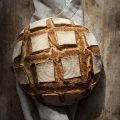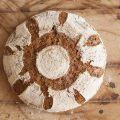
Emmer flour sourdough is the kind of bread that makes people stop mid-bite and ask what’s in it. This ancient grain has been feeding bakers for 10,000 years, and it brings a deep, nutty flavor and rustic charm that everyday flour can’t match. The trick is, emmer has its own personality, so a few smart tweaks go a long way. Right here, you’ll find everything you need to nail it, from picking the perfect flour blend and dialing in hydration to handling the dough with care, scoring it beautifully, and keeping every loaf fresh. Time to bake something seriously special.
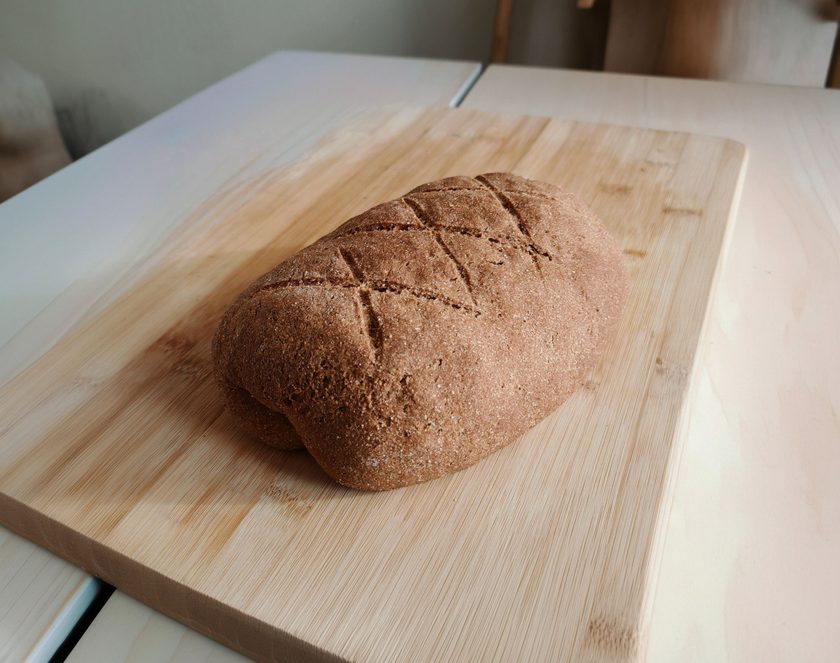
What Is Emmer Flour?
Emmer is one of humanity’s oldest crops. Known botanically as Triticum dicoccum, it’s been cultivated in the Fertile Crescent of the Middle East for 10,000 years. It famously fed ancient Egypt and was a staple grain in Roman-era Europe. In Italy, it’s called farro medio, so if you’ve cooked farro, you’ve probably already met emmer.
Like einkorn and spelt, emmer is a hulled wheat: each kernel sits inside strong glumes (husks) that enclose the grains and have to come off before milling. It’s also an ancestor of modern bread wheat and durum.
So what is emmer flour like to bake with? It’s darker than conventional whole wheat flour, with a sweet, nutty flavor and a hint of toasted grain. Its gluten is weaker and less elastic, so this ancient grain flour bakes into denser, more rustic loaves.
Why Make Sourdough with Emmer Flour?
Emmer sourdough bread has real character. The grain’s earthy, nutty base meets the gentle tang of natural fermentation, giving you notes of toasted grain, honey, and a hint of cocoa near the crust. It’s bold enough for sharp cheese or smoked fish, yet it never turns bitter the way some whole grain loaves do.
It’s also a great match for your sourdough starter. Wild yeast and lactic acid bacteria thrive on emmer’s bran and germ, so fermentation gets going fast. Over a long ferment, those bacteria soften the bran, deepen the flavor, and help the bread stay fresh longer.
Here’s what ancient grain sourdough brings to your kitchen and your table:
- Deep, nutty flavor that white flour can’t match
- Whole grain nutrition, with more fiber and minerals than refined flour
- A moist, rustic crumb that’s perfect for toast and sturdy sandwiches
- Lively fermentation that rewards a healthy, well-fed active starter
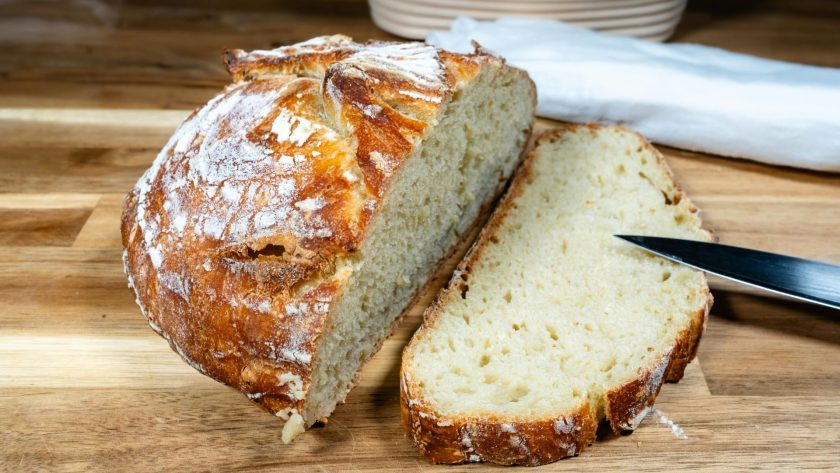
The only real tradeoff? You won’t get huge, open holes. Expect a tighter, tender crumb and a beautiful mahogany crust.
Related: Best Amish White Bread Recipe: A Classic Homemade Loaf
Ingredients
For one round loaf, about two pounds of finished bread, you’ll need:
- 300g emmer flour (wholemeal for more flavor, sifted for easier handling)
- 200g bread flour
- 350–375g filtered water, about 80°F
- 100g active sourdough starter, bubbly and at its peak
- 10g fine sea salt, for flavor and dough strength
How to Make Emmer Flour Sourdough Bread
Here’s how to make emmer sourdough at home. Plan on about 24 hours from start to finish, and most of it is hands-off.
- Mix and autolyse. Combine both flours with 325g of the water until no dry bits remain. Cover and rest for 45–60 minutes so the thirsty bran can hydrate.
- Add the starter. Dimple in the starter with wet fingers, then squeeze and fold until it disappears. Rest for 20 minutes.
- Add the salt. Sprinkle the salt with a splash of the reserved water and squeeze it in. The dough will tighten slightly.
- Bulk ferment. Leave the dough covered at 75–78°F for 4–6 hours. During the first two hours, do three or four gentle sets of stretch and folds, 30 minutes apart. It’s ready when it has grown about 50%, looks domed, and jiggles when you shake the bowl.
- Shape. Turn the dough onto a lightly floured counter, fold it into a round, and drag it toward you a few times with a bench scraper to build surface tension. Keep it quick.
- Cold proof. Place it seam-side up in a banneton dusted with rice flour. Cover and refrigerate for 10–14 hours to deepen the flavor and firm up the dough.
- Preheat. Heat your Dutch oven inside the oven at 475°F for 45 minutes.
- Score. Turn the cold dough onto parchment paper and make one bold slash, about half an inch deep, with a bread lame. Emmer doesn’t burst open dramatically, so one confident cut beats a fancy pattern.
- Bake. Lower the dough into the Dutch oven and bake covered for 20 minutes. Remove the lid, drop the heat to 450°F, and bake 20–25 minutes more, until the crust is deep brown and the center reads 205–210°F.
- Cool. Let the loaf rest for at least two hours before slicing. The crumb is still setting, and cutting early leaves it gummy.
Understanding Emmer Sourdough Hydration
Hydration is the weight of water divided by the weight of flour. This recipe lands around 70–75%, but with emmer, reading your dough matters more than hitting a number.
Emmer absorbs water slowly. Right after mixing, the dough feels wet, so many bakers add more flour. An hour later, the grain has caught up, and the dough turns stiff. That’s why the autolyse matters so much: judge the dough after the rest, not before.
Your flour type changes the target:
- Wholemeal emmer blends: usually 72–78%, since bran soaks up extra water
- Sifted emmer blends: around 65–72%
- 100% emmer: a little extra water keeps it soft, but it gets sloppy fast
Add water gradually. Hold back 25–50g at the start and work it in with the starter and salt. Stop when the dough feels soft and tacky but holds its shape when you pinch and lift it, like soft cookie dough with a little stretch. If it tears, add more water.
Freshly milled emmer can be even thirstier than store-bought flour. Every bag of flour behaves a little differently, and even kitchen humidity plays a part. Keep notes, and after a few bakes you’ll know your ideal water-to-flour ratio by feel.
Tips for Working with Emmer Sourdough Dough
Emmer’s gluten network is more like silk than a bungee cord: it’s stretchy, but quick to tear. These tips help you protect its structure from mixing to shaping.
- Skip heavy kneading. Overworked emmer dough turns slack and soupy because its fragile gluten bonds break down. A few minutes of gentle squeezing, followed by folds, builds all the strength you need.
- Keep stretch and folds gentle. Lift each edge only until you feel resistance, then fold it over. Two or three sets are usually plenty for emmer. Coil folds are even gentler on sticky dough.
- Wet your hands, don’t flour them. Wet hands glide over the dough, while floured hands stick and tear it.
- Watch the dough, not the clock. Emmer ferments quickly and can’t hold gas for long. In a warm kitchen, bulk fermentation may finish in four hours or less.
- End bulk early for 100% emmer. Stop at 30–40% growth and let the cold proof do the rest. Underproofed emmer still makes tasty bread, but overproofed emmer makes a puddle.
- Lean on a bench scraper. Use it to lift, turn, and tighten the dough without your hands sticking or tearing its delicate surface.
- Use a straight-sided container. Mark the starting level with a rubber band so you can see exactly how much the dough has grown.
Common Problems and How to Fix Them
Most emmer bread problems trace back to fermentation or handling. Here’s how to fix them:
- Dense loaf: Usually caused by a sluggish starter, a short bulk fermentation, or lots of wholemeal flour. Use your starter at its peak, ferment a little longer somewhere warm, or swap 20–30% of the emmer for bread flour.
- Dough spreads flat: The dough lacked strength or surface tension. Cut the water by 3–5%, add an extra set of folds, and shape more tightly. Bake it straight from the fridge.
- Gummy crumb: It was underbaked or sliced too soon. Bake until the center hits 205–210°F, tent with foil if the crust darkens too fast, and wait two hours before cutting.
- Poor oven spring: Fully preheat the oven and Dutch oven, score with confidence, and keep the lid on for the first 20 minutes.
- Overproofed dough: It smells boozy, feels slack, and may collapse when scored. Use the poke test: a slow spring-back that leaves a slight dent means it’s ready, while no spring-back means it’s gone too far. Shorten bulk next time, and bake this one as focaccia.
How to Store Emmer Sourdough Bread
Long fermentation helps homemade sourdough stay fresh longer than most breads. For the first two or three days, keep your loaf on the counter, cut side down on a wooden board, so the crust acts like a built-in lid. A bread box or linen bread bag is even better. Both hold in just enough humidity to protect the crumb while letting the crust breathe. Avoid plastic early on, since it softens the crust and invites mold.
If you won’t finish the loaf within three days, freeze it. Slice it first, tuck a square of parchment between slices, and pack them into freezer bags with as much air pressed out as possible. They’ll keep well for up to three months, and you can grab just what you need.
Frozen slices go straight into the toaster. To revive a whole loaf that’s gone a bit stale, quickly dampen the crust under the tap and bake it directly on the rack at 350°F for 10–15 minutes. The steam softens the crumb, and the crust crackles back to life.
Whatever you do, skip the fridge. Cold temperatures actually make bread go stale faster, drying out that soft, nutty crumb within a day or two.
Time to Go Old School
Emmer flour sourdough is a little slice of history you can bake in your own kitchen. This ancient grain brings a deep, nutty flavor and rustic charm that everyday flour can’t touch. Sure, it’s a bit more delicate and plays by its own rules, but that’s half the fun. Once you get the hang of how it drinks water, how fast it ferments, and how gently it likes to be handled, you’ll be turning out loaves that look and taste amazing. And if something goes sideways, you’ve already got the fixes in your back pocket. So grab a bag of emmer, wake up your starter, and get baking. Your new favorite loaf is waiting, and trust us, it’s worth it.
FAQs
Can I make sourdough bread with emmer flour?
Absolutely! Emmer flour makes a fantastic sourdough with a deep, nutty flavor and a moist, rustic crumb. Its gluten is weaker than modern wheat’s, so handle the dough gently and keep a close eye on fermentation. For your first few loaves, try blending about 60% emmer with 40% bread flour. You’ll get better rise and easier shaping while keeping plenty of that ancient grain character.
What is emmer flour best for?
Emmer flour shines in rustic, hearty breads, especially sourdough, where its nutty flavor really comes alive. It’s also great for flatbreads, pizza dough, pasta, crackers, muffins, and pancakes. Since its gluten is softer, it works beautifully in recipes that don’t need a big rise. In Italy, whole emmer grains, known as farro, are a classic in soups and salads too.
Emmer Flour Sourdough
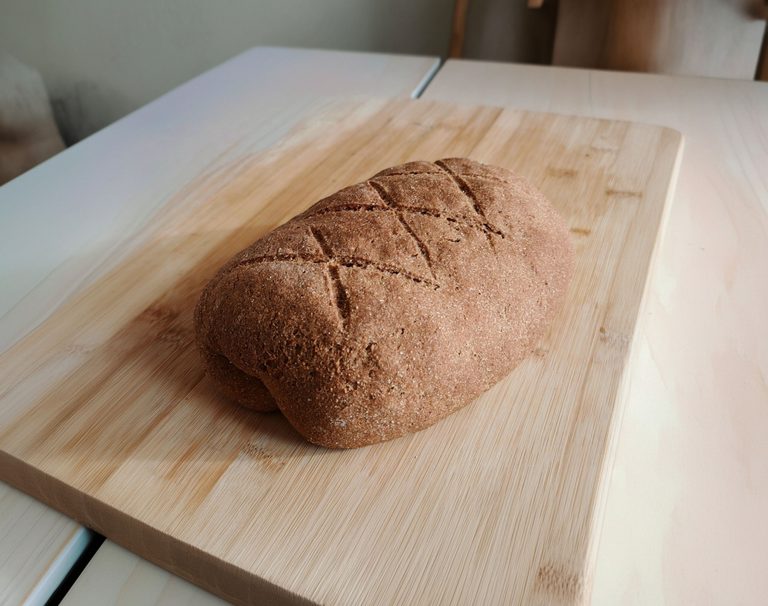
The grain’s earthy, nutty base meets the gentle tang of natural fermentation, giving you notes of toasted grain, honey, and a hint of cocoa near the crust.
Ingredients
- 300g emmer flour (wholemeal for more flavor, sifted for easier handling)
200g bread flour
- 350–375g filtered water, about 80°F
- 100g active sourdough starter, bubbly and at its peak
- 10g fine sea salt, for flavor and dough strength
Instructions
- Autolyse: Mix both flours with 325 g water. Rest, covered, 45–60 minutes.
- Add starter: Dimple in starter with wet fingers and fold until absorbed. Rest 20 minutes.
- Add salt: Squeeze in salt with a splash of water.
- Bulk ferment: Leave at 75–78°F for 4–6 hours, doing 3–4 stretch-and-fold sets in the first two hours. Stop at 50% growth.
- Shape: Fold into a round and drag with a scraper for tension.
- Cold proof: Place seam-side up in a rice-floured banneton. Refrigerate 10–14 hours.
- Preheat: Heat a Dutch oven at 475°F for 45 minutes.
- Score: Make one ½-inch slash.
- Bake: Bake covered 20 minutes, then uncovered at 450°F for 20–25 minutes, until 205–210°F inside.
- Cool: Rest at least two hours before slicing.
Notes
Skip heavy kneading. Overworked emmer dough turns slack and soupy because its fragile gluten bonds break down. A few minutes of gentle squeezing, followed by folds, builds all the strength you need.