
Last updated on October 15th, 2025
The warm, yeasty aroma of fresh bread baking transforms any kitchen into a haven of comfort. The magic of Amish white bread—a soft, slightly rich loaf that’s been winning hearts for generations—lies in its perfect balance of simplicity and flavor. This best Amish white bread recipe delivers that ideal, moist consistency achieved through generous use of fresh butter and time-honored techniques. With millions of Pinterest saves and thousands of 5-star reviews from delighted bakers, this recipe transforms ordinary ingredients into extraordinary comfort food that fills your home with irresistible homemade goodness.
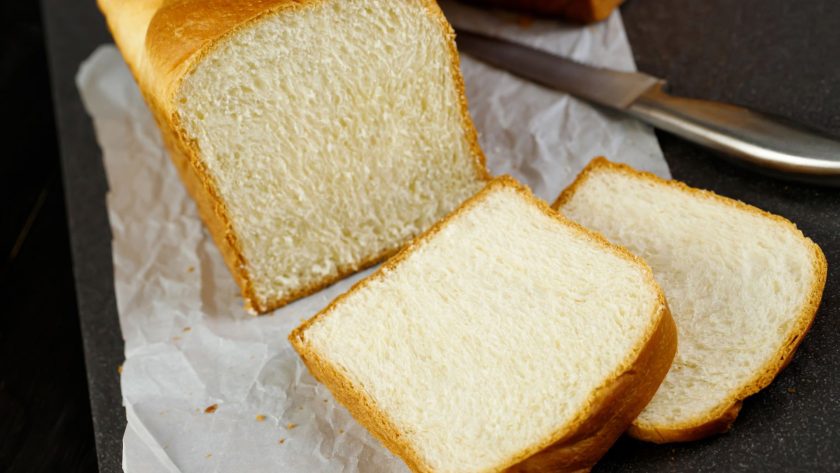
What is Amish White Bread?
Amish white bread connects us directly to Pennsylvania Dutch heritage—descendants of German-speaking immigrants who arrived in America during the 17th and 18th centuries. These settlers brought centuries-old baking traditions from Switzerland and the Rhine River region, adapting them to abundant American farmland. This bread perfectly captures the Amish philosophy of simplicity and practicality, using simple ingredients always found in the kitchen. Each loaf represents not just sustenance, but a continuation of cultural identity passed down from mother to daughter for generations, creating an everyday staple that sustained hardworking farm families while delivering incredible flavor.
Why Amish White Bread is Different
The moment you bite into authentic Amish white bread, you’ll understand its incredible appeal. This soft, fluffy bread offers pure comfort—perfect for sandwiches, toast, or slathering with butter while still warm. The texture melts in your mouth yet remains sturdy enough for generous spreads of jam or honey.
Unlike commercial bread that relies on chemicals and preservatives, Amish bread achieves incredible texture through careful attention to ingredients and technique. Fresh butter creates that ideal, moist consistency, while thoughtful use of sugar provides gentle sweetness that complements rather than overwhelms. Since Amish baking is done by hand without electricity, there’s less risk of overbeating ingredients, resulting in bread with character—each loaf bearing the unmistakable mark of human touch rather than machine precision.
Related: White Bread vs Sourdough – Which one is Healthier?
Ingredients List
- Warm water – 2 cups (110°F)
- Active dry yeast – 1½ tablespoons
- Sugar – ⅔ cup
- Salt – 1½ teaspoons
- Vegetable oil or melted butter – ¼ cup
- Bread flour – 5½-6 cups
Step-by-Step Instructions
- Prepare the yeast mixture. Dissolve sugar in warm water (110°F) in a large bowl. Test temperature with your wrist—it should feel comfortably warm, not hot. Whisk in yeast thoroughly and set aside for 5-10 minutes until foamy bubbles form on the surface. If no bubbles appear, your yeast is dead and needs replacing. This proofing step ensures active yeast before committing other ingredients.
- Mix the dough. Using a stand mixer with a dough hook attachment, combine 3 cups of flour, salt, and oil in the mixing bowl. Pour the activated yeast mixture on top and turn the mixer to medium-low speed. Gradually add remaining flour one cup at a time, mixing between additions. The dough is ready when it pulls cleanly away from the bowl sides and forms a cohesive ball. Don’t add too much flour at once—this creates tough bread.
- Knead the dough. Continue kneading by machine for 5-8 minutes, or transfer to a floured surface for 10-12 minutes of hand kneading. Proper kneading develops gluten structure for that perfect texture. Test for readiness using the “window pane” test—stretch a small piece of dough between your fingers. When properly kneaded, it should stretch thin enough to see light through without tearing.
- First rise. Shape dough into a tight ball and place in a well-greased bowl, turning once to coat all sides. Cover with a damp towel or plastic wrap. Let rise in a warm, draft-free location for 60-90 minutes until doubled in size. Create consistent warmth by preheating your oven to 200°F for just 1 minute, then turning it off completely before placing the bowl inside with the door slightly ajar.
- Shape and second rise. Gently deflate risen dough and turn it onto a lightly floured surface. Press into a rectangle about 9 inches wide, then roll tightly from one short end, pinching the seam closed. Place seam-side down in a greased 9×5-inch loaf pan. Cover lightly and let rise 45-60 minutes until the dough crowns about 1 inch above the pan rim. Don’t over-proof, or the bread will collapse.
- Bake. Preheat oven to 350°F while dough completes final rise. Bake for 30-35 minutes until the top turns golden brown and sounds hollow when tapped. Internal temperature should reach 190°F. Remove from oven immediately, brush top generously with melted butter for a soft crust, then let cool in pan for 10 minutes before turning out onto a wire rack. Resist slicing for at least 20 minutes to prevent a gummy texture.
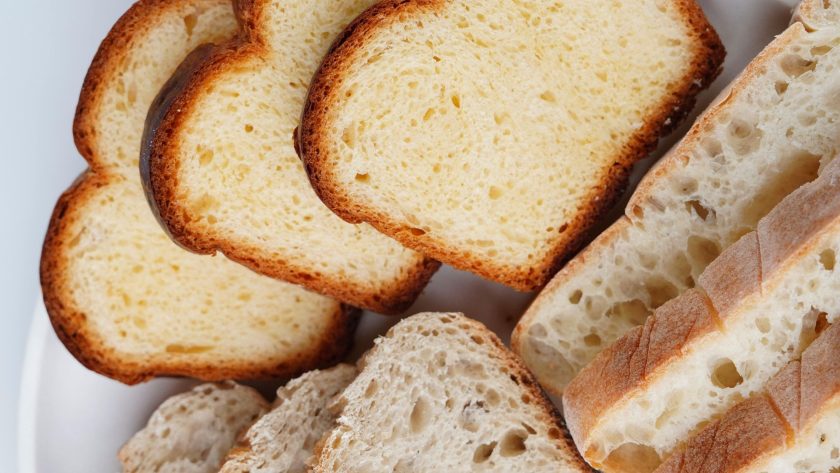
Tips for Perfect Amish White Bread
Getting that perfect loaf every time comes down to understanding key principles that Amish bakers have mastered over generations. These time-tested techniques ensure consistently beautiful results.
- Check water temperature carefully – Using water that’s too cold is a common mistake. Your yeast needs water slightly warmer than lukewarm. Too hot kills the yeast; too cold won’t activate it properly. A simple kitchen thermometer eliminates guesswork for this crucial step.
- Don’t rush the rising process – If a recipe says rising should take an hour, but your dough hasn’t doubled, just wait. Your dough will do its thing when ready. Environmental factors like humidity and temperature affect rising times, so trust the dough rather than the clock.
- Proof your yeast first – Place ½ cup of warm water with yeast and 1 teaspoon of sugar in a small bowl to proof before mixing. This ensures your yeast is active before committing all ingredients to the mix. Look for bubbly foam formation within 5-10 minutes.
- Store properly for freshness – Homemade bread stays fresh for about 3 days at room temperature. Store in a bread bag to maintain freshness for up to a week. This bread freezes beautifully—slice only what you need and keep the rest of the loaf intact for maximum freshness.
- Create that golden crust – Brush loaves with melted butter immediately when they come out of the oven, while still in pans. This simple step transforms appearance and texture, giving your finished loaf that bakery-quality look and soft crust.
- Let dough rest before shaping – After kneading, let dough rest 5 minutes before shaping to relax the gluten for easier handling and better final texture.
Variations & Add-ins
While traditional Amish white bread is perfect as-is, the beauty of this recipe lies in its versatility. You can use all white flour or a mixture of white and wheat flour to add nutritional value and a nuttier flavor profile.
For a honey twist, you can substitute ¼ cup of honey for some of the sugar to create a more complex sweetness that pairs beautifully with morning coffee. Some bakers add a touch of cinnamon to the dough for warmth, or create a cinnamon swirl by rolling cinnamon sugar into the dough before shaping.
Start by substituting up to half the white flour with whole wheat for a heartier loaf that still maintains the tender crumb Amish bread is known for. The key is to add the whole wheat flour gradually and adjust your liquid accordingly, as whole grain flours absorb more moisture.
Traditional Amish cooks were masters of using what was available. You might add a handful of raisins that have been soaked in warm water and drained, or include sunflower seeds from the family garden. Some families add a tablespoon of wheat germ for extra nutrition without significantly changing the flavor.
While less traditional, you can create savory versions by reducing the sugar slightly and adding herbs like rosemary or thyme. You could add some more spices to this if you like: rosemary, thyme, or perhaps oregano for a hint of “pizza bread” flavoring. These variations work particularly well when you’re planning to serve the bread alongside soups or stews.
Related: How To Make Amish Friendship Bread
Serving Suggestions
Toasting with butter and jam creates the classic way to enjoy fresh, homemade bread—slice it, toast to the desired crispness, and spread with butter and your favorite preserves. The slightly sweet flavor and tender texture make this bread ideal for both kids’ lunch boxes and gourmet sandwiches. Slice thin for sandwiches or thick for incredible French toast.
Traditional Amish Peanut Butter, served at Sunday dinners for generations, combines peanut butter with marshmallow and corn syrup for a dessert-like spread perfect on fresh bread. This bread makes fantastic sandwich bread for everything from peanut butter and jelly to hearty BLTs.
Transform day-old bread into amazing homemade croutons by cubing and toasting, or pulse in a food processor and dry the crumbs in a low oven for homemade breadcrumbs. The mild sweetness balances hearty, savory flavors of traditional Pennsylvania Dutch soups, while its soft texture makes it ideal for sopping up every last drop of broth. Fresh slices pair beautifully with morning coffee or evening tea.
Homemade Bread Perfection Starts Now
Creating Amish white bread from scratch connects you to generations of bakers who understood that simple ingredients, treated with care, create extraordinary comfort. This bread embodies the Amish philosophy that “them that works hard, eats hearty,” delivering incredible flavor through mindful, purposeful cooking. Beyond its golden crust and tender crumb lies a tangible connection to Pennsylvania Dutch heritage, which values quality over convenience. Once you experience the satisfaction of pulling your own golden loaves from the oven and filling your kitchen with irresistible homemade aromas, you’ll understand why this timeless recipe continues bringing families together, one delicious slice at a time.
FAQs – Best Amish White Bread Recipe
What’s in Amish white bread?
Amish white bread contains simple, wholesome ingredients: warm water, active dry yeast, sugar, salt, vegetable oil or melted butter, and bread flour. Unlike commercial breads, it contains no preservatives, artificial additives, or chemicals. The recipe relies on generous amounts of fresh butter and sugar to create that signature soft, slightly sweet texture that’s made this bread a beloved staple for generations.
Is Amish bread healthier than store-bought bread?
Yes, Amish bread is generally healthier than store-bought versions. It contains no preservatives, artificial additives, or chemicals commonly found in commercial breads. Made with simple, recognizable ingredients like flour, yeast, butter, and sugar, it’s free from the long list of unpronounceable additives in store brands. However, it’s still white bread with sugar, so whole-grain options provide more nutritional benefits.
What is Amish bread called?
Amish bread is commonly called “Amish white bread” or simply “Amish bread.” In Pennsylvania Dutch communities, it might be referred to using German terms, but the most widely recognized name is Amish white bread. This traditional loaf represents the simple, wholesome baking style of Amish communities and has become synonymous with homemade, preservative-free bread made from basic pantry ingredients.
What kind of flour do Amish use?
Amish bakers typically use bread flour or all-purpose flour, with bread flour being preferred for its higher protein content that creates better gluten development and texture. Many Amish families favor King Arthur flour for its consistent quality. Traditional recipes use white flour, though some modern adaptations incorporate whole wheat flour. The key is using high-quality, unbleached flour without additives for authentic results.
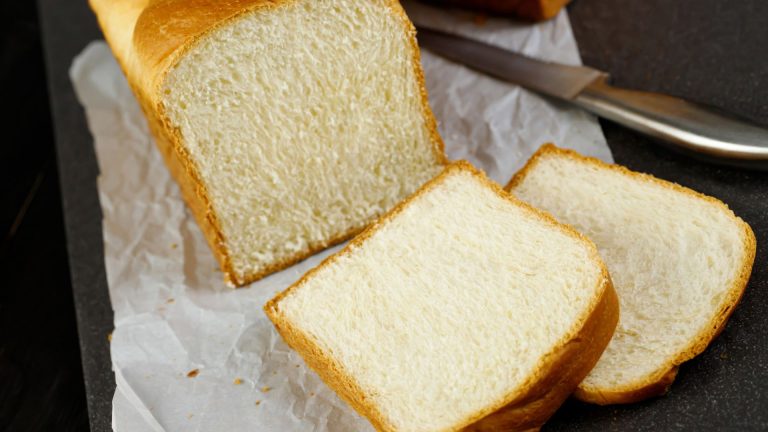
Amish White Bread
The magic of Amish white bread—a soft, slightly rich loaf that’s been winning hearts for generations—lies in its perfect balance of simplicity and flavor.
Ingredients
- Warm water – 2 cups (110°F)
- Active dry yeast – 1½ tablespoons
- Sugar – ⅔ cup
- Salt – 1½ teaspoons
- Vegetable oil or melted butter – ¼ cup
- Bread flour – 5½-6 cups
Instructions
- Prepare the yeast mixture. Dissolve sugar in warm water (110°F) in a large bowl. Test temperature with your wrist—it should feel warm, not hot. Whisk in yeast and set aside for 5-10 minutes until foamy. If no bubbles appear, replace the yeast.
- Mix the dough. Using a stand mixer with a dough hook, combine 3 cups flour, salt, and oil. Add activated yeast mixture and mix on medium-low speed. Gradually add remaining flour one cup at a time until dough pulls cleanly from bowl sides.
- Knead the dough. Continue machine kneading for 5-8 minutes, or hand knead for 10-12 minutes. Test readiness with the “window pane” test—properly kneaded dough stretches thin without tearing.
- First rise. Shape into a ball and place in greased bowl, turning to coat. Cover and let rise 60-90 minutes until doubled. For consistent warmth, briefly preheat oven to 200°F, turn off, then place bowl inside.
- Shape and second rise. Deflate dough, press into 9-inch rectangle, roll tightly, and place seam-down in greased 9×5-inch pan. Rise 45-60 minutes until 1 inch above rim.
- Bake. Bake at 350°F for 30-35 minutes until golden and hollow-sounding. Brush with melted butter, cool 10 minutes in pan, then transfer to rack.
Notes
Proof your yeast first – place ½ cup of warm water with yeast and 1 teaspoon of sugar in a small bowl to proof before mixing. This ensures your yeast is active before committing all ingredients to the mix. Look for bubbly foam formation within 5-10 minutes.
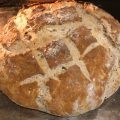

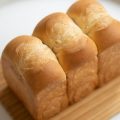

Today was the second time making this delicious bread! Tomorrow I’ll make it again. Proofing in the oven and adding a small extra amount of flour produced enough dough for 2 loaves! Thanks for sharing! I’m looking forward to trying your other recipes.
Amazing! Thank you Dennis!