Last updated on October 15th, 2025
The world’s easiest yeast bread recipe proves that homemade bread can be simple, quick, and incredibly rewarding. With only five basic ingredients—flour, yeast, water, sugar, and salt—you can create a golden, bakery-style loaf without special equipment or advanced techniques. This recipe uses a relaxed, hands-off approach where the yeast does most of the work, giving you fluffy bread with minimal effort. Inside, you’ll discover step-by-step instructions, flavorful variations, creative serving ideas, and helpful tips to make every loaf a success. Perfect for beginners and seasoned home bakers alike, this bread delivers amazing results every time.
Why This Recipe Is So Easy
Most bread recipes overwhelm beginners with long kneading times, precise folding, and strict timing. This recipe strips away all that complexity. With just five pantry ingredients—flour, yeast, water, sugar, and salt—you can make a golden, bakery-style loaf without any special tools. The process is foolproof: mix the ingredients, let the dough rise, shape it lightly, and bake. No kneading is necessary because the long resting period allows the yeast to build gluten naturally. This “hands-off” method means you only spend a few minutes actually working, while the yeast does the heavy lifting. Even if your measurements aren’t perfect, the bread turns out fluffy and delicious. Another reason this recipe is so easy: it’s flexible. Rise times can vary, but the bread will still bake beautifully. If you can stir a bowl of ingredients together, you can make this loaf—and impress everyone at your table.
Ingredients
- 3 cups all-purpose flour
- 1 packet (2 ¼ tsp) instant yeast
- 1 ½ cups warm water (110°F/43°C)
- 1 tsp sugar
- 1 ½ tsp salt
These simple pantry staples create the base of your loaf. The yeast provides lift, the sugar fuels the yeast, and the salt balances flavor while strengthening the dough.
Step-by-Step Recipe
- Activate the yeast. In a large mixing bowl, combine warm water and sugar, stirring until dissolved. Sprinkle in the yeast and let it sit for 5–10 minutes. When the yeast is alive and active, it will become frothy and bubbly, almost like a foamy layer on top of the water. This step is crucial—if you don’t see bubbles, your yeast is inactive, and you’ll need to start again with fresh yeast.
- Mix the dough. Add the flour and salt to the bowl. Using a wooden spoon, stir until a sticky, shaggy dough forms. The dough should be tacky to the touch. If it’s too dry, add a tablespoon of water at a time. If it’s too wet, sprinkle lightly with flour. Avoid over-mixing; this bread doesn’t require kneading.
- First rise. Cover the bowl tightly with plastic wrap or a damp kitchen towel. Place in a warm, draft-free area and let rise for 1–2 hours. The dough should double in size and look airy and puffy. If your kitchen is cold, place the bowl inside an unheated oven with just the light turned on.
- Shape the dough. Dust a work surface with flour. Gently transfer the dough and, with floured hands, fold it over itself a few times to form a round loaf. Resist the urge to knead; minimal handling keeps the bread light.
- Second rise. Place the loaf on parchment paper or into a greased pan. Cover loosely and let rise for 30–40 minutes. The dough should puff up slightly.
- Preheat the oven: Heat oven to 425°F (220°C). For a bakery-style crust, place a metal pan with water on the lowest rack to create steam.
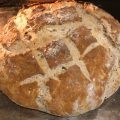
- Score and bake. Using a sharp knife or razor, make shallow slashes on top to help the bread expand. Bake for 25–30 minutes until golden brown. A hollow sound when tapped indicates it’s done.
- Cool before slicing. Rest the loaf on a wire rack for at least 15 minutes. Cutting too early traps steam inside, leaving the bread gummy.
Extra tips: For a shinier crust, brush the dough with water before baking. For added flavor, sprinkle coarse salt or seeds on top just before it goes into the oven.
Related: The Home Baker’s Guide to Perfect Yeast Bread
Variations
- Herb bread: add 1 tablespoon dried rosemary, thyme, oregano, or Italian seasoning directly into the flour before mixing. The herbs infuse the loaf with a fragrant aroma that makes it perfect for pairing with pasta dishes, soups, or roasted meats. For an extra punch, sprinkle a little sea salt and herbs on top before baking.
- Cheese bread: mix in 1 cup shredded cheddar, mozzarella, or parmesan before shaping. The cheese melts into pockets of gooey richness. A blend of sharp cheddar and parmesan works beautifully for a savory loaf that doubles as a snack.
- Whole wheat bread: swap half the all-purpose flour for whole wheat flour. This adds a nutty depth of flavor and boosts fiber content, making the bread more filling. You may need a tablespoon more water, since whole wheat flour absorbs extra moisture.
- Garlic bread twist: add 2 teaspoons garlic powder or fold in roasted garlic cloves before shaping. The cloves create soft, flavorful bites throughout the loaf. Brushing the baked bread with melted butter and parsley completes the garlic bread experience.
- Seeded loaf: top the shaped dough with sesame, sunflower, pumpkin, or poppy seeds before baking. Lightly press seeds into the dough so they stick. The result is a crunchy, nutty crust that adds nutrition and visual appeal.
Serving Suggestions
- Soups & stews: serve thick slices alongside comforting bowls of chili, tomato soup, or beef stew.
- Toast: toast and spread with butter, honey, jam, or avocado for quick breakfasts.
- Sandwich base: use as the foundation for grilled cheese, deli sandwiches, or paninis.
- Garlic bread: slice, butter with garlic and herbs, then toast for five minutes.
- Appetizer platter: cube bread and serve with dips such as spinach artichoke, hummus, or cheese fondue.
- Bruschetta: toast slices and top with tomatoes, basil, and olive oil for a fresh appetizer.
- French toast: use day-old bread for sweet breakfast treats with syrup or fruit.
- Cheese board: pair slices with cheeses, olives, and cured meats for a rustic party platter.
Related: 6 Delicious Yeast Bread Recipes to Bake at Home
Common Mistakes and Tips
- Using water that’s too hot. Water hotter than 120°F (49°C) will kill yeast instantly. Always aim for lukewarm water around 105–110°F (40–43°C). If you don’t have a thermometer, dip your finger—the water should feel warm but not hot.
- Skipping sugar. Sugar may seem optional, but it feeds the yeast and helps it activate faster. Without it, your dough may rise sluggishly or inconsistently. Even a teaspoon makes a big difference.
- Not letting the dough rise fully. Patience is key. Cutting the rise short creates dense, heavy bread. Always wait until the dough doubles in size, even if it takes longer in a cool kitchen.
- Over-handling dough. This recipe doesn’t require kneading. Too much touching or pressing will deflate the airy bubbles that make bread soft. Handle gently during shaping.
- Cold oven baking. Starting in an oven that isn’t fully preheated prevents the bread from rising properly. Always wait until the oven reaches 425°F (220°C) before placing the loaf inside.
- Skipping steam. Professional bakeries use steam for glossy, crisp crusts. You can mimic this by placing a tray of hot water on the bottom rack or lightly spritzing the oven walls.
- Slicing too soon. Hot bread smells tempting, but cutting it immediately releases steam, leaving the interior gummy. Let it cool at least 15–20 minutes for the crumb to set.
- Using old yeast. Expired yeast won’t rise properly. Always check expiration dates and proof your yeast in warm water before mixing if unsure.
- Too much flour. Sticky dough can feel intimidating, but resist adding too much flour—it makes bread dense. Trust that it will bake into a soft loaf.
- Wrong salt amount. Salt balances flavor and controls yeast activity. Too little makes bread bland, while too much can slow fermentation. Measure carefully.
Bake It Simple, Slice It Proud
This recipe proves that bakery-quality loaves are achievable with just five pantry ingredients and a simple mix-rise-bake approach. Step-by-step instructions, clear proofing tips, steam technique guidance, and a concise troubleshooting checklist help you avoid common pitfalls and produce a light, airy crumb.
Easy variations—herbs, cheese, whole wheat, garlic, or seeds—plus serving ideas make this loaf versatile for breakfasts, dinners, and entertaining. Follow the timing cues, handle the dough gently, and let the loaf cool before slicing, and you’ll have reliable, delicious homemade bread every time.
Print
World’s Easiest Yeast Bread
With just five pantry ingredients—flour, yeast, water, sugar, and salt—you can make a golden, bakery-style loaf without any special tools.
Ingredients
- 3 cups all-purpose flour
- 1 packet (2 ¼ tsp) instant yeast
- 1 ½ cups warm water (110°F/43°C)
- 1 tsp sugar
- 1 ½ tsp salt
Instructions
- Activate the yeast. In a large bowl, combine warm water and sugar, stirring until dissolved. Sprinkle in yeast and let sit 5–10 minutes until frothy and bubbly. If no bubbles appear, start over with fresh yeast.
- Mix the dough. Add flour and salt. Stir with a wooden spoon until sticky, shaggy dough forms. Add water if too dry, flour if too wet. Don’t over-mix.
- First rise. Cover bowl tightly with plastic wrap. Let rise 1–2 hours in warm, draft-free area until doubled. Cold kitchen? Use an unheated oven with light on.
- Shape the dough. On floured surface, gently fold dough over itself with floured hands to form round loaf. Handle minimally.
- Second rise. Place on parchment paper, cover loosely, rise 30–40 minutes until slightly puffed.
- Bake. Preheat oven to 425°F. Score top with sharp knife. Bake 25–30 minutes until golden and hollow-sounding when tapped.
- Cool. Rest on wire rack 15 minutes before slicing.
Notes
For a shinier crust, brush the dough with water before baking. For added flavor, sprinkle coarse salt or seeds on top just before it goes into the oven.