
Last updated on October 22nd, 2026
Ask five bakers this question and you’ll get five different answers, and honestly, all five might be right. Bulk fermentation isn’t a fixed number on a timer. It’s a moving target that shifts with your kitchen temperature, your starter’s mood, your flour, and even the weather outside. If you’ve been chasing a magic “4 hours” rule and wondering why your dough never matches the recipe photos, this is why.
What Bulk Fermentation Actually Does
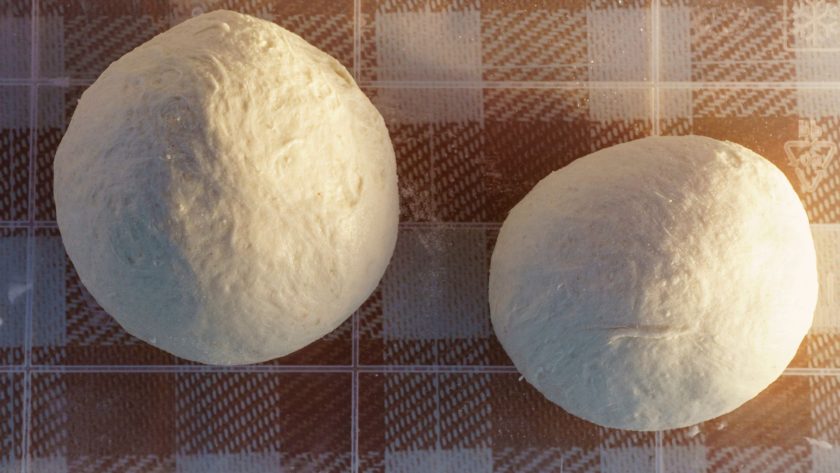
Bulk fermentation is the first long rise after you mix your dough, before shaping. During this window, wild yeast and bacteria (or commercial yeast, if that’s what you’re using) eat sugars in the flour and release carbon dioxide and organic acids. That gas gets trapped in the gluten network, building structure and flavor at the same time.
Two things happen simultaneously:
- Volume increases as gas builds up inside the dough
- Flavor develops as acids and byproducts accumulate from fermentation
The trouble is that these two things don’t always happen at the same rate, which is exactly why “just wait until it doubles” advice sends so many home bakers astray.
So, How Long Does It Actually Take?
Here’s the range you’ll typically see across different styles of bread:
| Bread Type | Typical Bulk Fermentation Time | Temperature Range |
|---|---|---|
| Commercial yeast sandwich loaf | 1–2 hours | 75–80°F (24–27°C) |
| Enriched dough (brioche, rolls) | 1.5–3 hours | 75–78°F (24–26°C) |
| Sourdough, standard hydration | 4–6 hours | 75–78°F (24–26°C) |
| Sourdough, high hydration | 5–8 hours | 74–78°F (23–26°C) |
| Cold overnight bulk (sourdough) | 12–16 hours | 38–45°F (3–7°C) |
These numbers are starting points, not gospel. Your actual time could land well outside these windows depending on the variables below, and that’s completely normal.
The Real Factors That Move the Timeline
Dough doesn’t read recipes. It responds to its environment. Here’s what actually controls how fast (or slow) bulk fermentation moves along.
1. Dough Temperature
This is the single biggest lever you have. A dough sitting at 68°F will take noticeably longer than one at 78°F. As a rough guide, fermentation speed roughly doubles for every 17°F (about 8°C) increase in dough temperature. That’s why a summer kitchen and a winter kitchen can produce wildly different results from the exact same recipe.
2. Starter or Yeast Strength
A sluggish, underfed starter will drag bulk fermentation out for hours longer than a starter that’s active and near its peak. If you’re using commercial yeast, the percentage used (and whether it’s instant or active dry) changes the pace too.
3. Flour Type
Whole grain and freshly milled flours ferment faster than white flour because they contain more enzymes and available sugars. Swapping even 20% of your flour to whole wheat can shave real time off your bulk window.
4. Hydration Level
Higher hydration doughs tend to ferment a bit faster since water helps enzyme activity and yeast movement. They also weaken structurally faster, so timing gets trickier to judge by rise alone.
5. Salt Content
Salt slows fermentation by tightening gluten and reducing yeast activity. A low-salt or no-salt dough will move noticeably quicker than a standard 2% salt dough.
6. Amount of Preferment or Starter
More starter or preferment in the mix means more active yeast and bacteria from the start, which shortens bulk fermentation. Less means a longer, slower rise.
Forget the Clock, Watch the Dough
Time is a guideline. The dough itself is the real instruction manual. Here’s what to actually check.
Visual and physical cues that bulk fermentation is done:
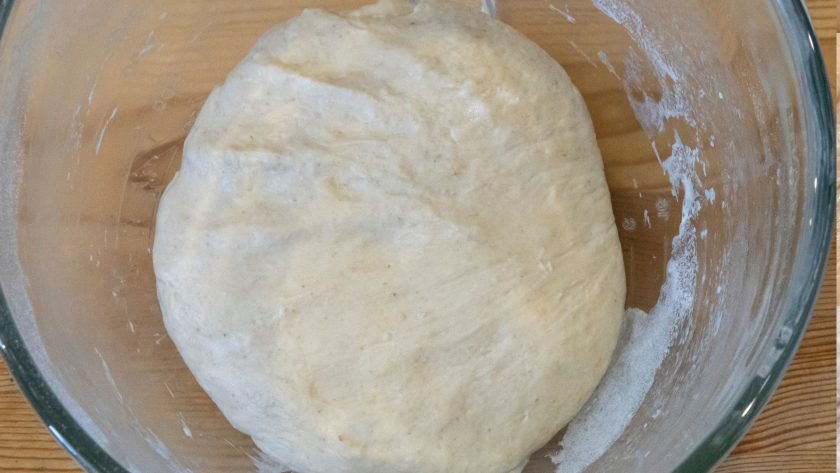
- Dough has grown by roughly 30–75% in volume (not necessarily doubled, especially for sourdough)
- Surface looks smooth, slightly domed, and a little jiggly when you nudge the container
- Bubbles are visible at the edges and on the surface
- Dough feels airy and lighter when you lift or fold it, not dense or tight
- A gentle poke leaves an indent that springs back slowly, not instantly and not stays sunken
- The dough has a slightly rounded, billowy look rather than flat or slack
If you’re using a straight-sided container, the “jelly jar trick” works well: mark the starting level with a rubber band or piece of tape, then track growth against that mark instead of guessing.
Underproofed vs. Overproofed
| Sign | Underproofed | Overproofed |
|---|---|---|
| Volume | Barely risen, dense feel | Over-risen, may have started collapsing |
| Surface | Tight, smooth, no bubbles | Flat, sometimes with large surface bubbles |
| Poke test | Springs back fast and fully | Springs back slowly or not at all |
| Baked result | Tight crumb, may tear oddly when scored | Flat loaf, dense or gummy crumb, poor oven spring |
| Flavor | Mild, underdeveloped | Sour, overly tangy, sometimes boozy |
If you’re not sure which side you’re on, underproofed is usually the safer mistake. You can extend fermentation later in the process, but you can’t undo an overproofed dough.
Practical Ways to Control Your Timeline
You don’t need fancy equipment to manage bulk fermentation. A few doable adjustments go a long way.
- Track dough temperature, not just room temperature. A cheap instant-read thermometer stuck into the dough tells you far more than glancing at your kitchen’s thermostat.
- Use the oven-light trick for a warm spot. Turn on your oven light (not the oven itself) and let the dough rise inside with the door closed. This usually adds a few degrees, enough to speed things along on a cold day.
- Retard in the fridge when your schedule doesn’t match the dough. Popping the dough in the fridge partway through bulk (or for the whole bulk period) slows fermentation dramatically and lets you bake on your own timeline instead of the dough’s.
- Adjust starter or yeast amount instead of just waiting longer. If your bulk times are consistently dragging past 8+ hours, consider upping your starter percentage slightly rather than accepting a marathon rise every time.
- Keep a simple fermentation log. Jot down dough temp, room temp, starter percentage, and total bulk time for a few bakes. Patterns show up fast, and you’ll stop guessing altogether.
FAQs
Does bulk fermentation time change with the seasons?
Yes, significantly. The same recipe can take 4 hours in summer and 8+ hours in winter if your kitchen temperature swings that much. Tracking dough temperature rather than relying on a fixed time is the most reliable fix.
Can I bulk ferment overnight on the counter instead of the fridge?
It’s risky unless your kitchen stays cool (below 65°F) and your starter or yeast amount is low. Most doughs left out overnight at normal room temperature will overproof well before morning.
Is longer bulk fermentation always better for flavor?
Not necessarily. Flavor development does increase with time, but past a certain point the dough weakens structurally and can turn gummy or overly sour. There’s a sweet spot, and it’s usually shorter than people assume.
Why did my dough barely rise during bulk fermentation?
The most common culprits are a weak or unripe starter, dough temperature that’s too cold, too much salt, or simply not enough time given the conditions. Check dough temp first since it’s the easiest thing to fix.
Should I bulk ferment based on time or based on how the dough looks?
Look at the dough. Time is only useful as a rough estimate to know when to start checking. Two doughs mixed at the same time in different corners of the same kitchen can finish bulk fermentation an hour or more apart.
Can I speed up bulk fermentation if I’m short on time?
Yes. Raise the dough temperature (a warm spot near 78–80°F works well), increase your starter or yeast percentage slightly, or use a small amount of whole wheat flour in the mix. Any of these will shorten the timeline without wrecking the final loaf.



![[video] from the seed to the peasant bakery with nicolas supiot](https://www.mydailysourdoughbread.com/wp-content/uploads/2022/11/image-16-120x120.jpeg "[Video – Part 2] Entering Into Peasant Bakery 7")
