Last updated on January 19th, 2026
Most people think sourdough and white bread are total opposites, but here’s the twist: they can actually be the same loaf. The question “Is sourdough white bread?” trips up even experienced bakers because sourdough describes how bread is made, while white bread describes what it’s made from. You can absolutely have both at once. This distinction changes everything about how you shop and bake. Understanding the difference helps you make smarter choices for your health, decode confusing bakery labels, and know exactly what you’re eating. Let’s break down what makes sourdough sourdough, and when it counts as white bread, too.
What Is Sourdough Bread?
Picture this: flour, water, salt, and time. That’s it. A sourdough starter is created by mixing flour and water, then allowing the wild yeasts and bacteria that naturally live in the flour and air to thrive and multiply. Over time, these microorganisms develop into a stable community that becomes your leavening agent.
The stars of this show are wild yeast and lactic acid bacteria. The wild yeasts consume the flour and produce carbon dioxide, which gets trapped in the gluten network, allowing the bread to be light and airy as it rises and bakes. Meanwhile, the bacteria produce organic acids—mainly lactic and acetic acid—that give sourdough its signature tangy punch.
If regular yeasted bread is a sprint, sourdough fermentation is a marathon—anywhere from 8 to 48 hours or longer for that slow rise. This extended fermentation transforms the dough at a molecular level, breaking down proteins and starches in ways that quick-rise methods simply can’t match.
The bacteria produce acids, the yeast creates carbon dioxide and ethanol, and all these compounds interact with the flour’s natural enzymes to create that complex, slightly acidic flavor profile. Temperature, hydration levels, and fermentation time all play crucial roles in determining how sour (or mild) your final bread tastes.
Related: Is Sourdough Whole Grain or Not? ANSWERED
What Is White Bread?
White bread is made from wheat flour where the bran and germ layers have been removed from the whole wheatberry during the milling process, producing a light-colored flour. This refining process gives white bread that soft, pillowy texture and pale color we all recognize.
The milling strips away the fiber-rich bran and nutrient-dense germ, leaving mostly the starchy endosperm. What you get is incredibly fine, smooth flour, perfect for creating that tender, delicate crumb. Removing the oil found in the whole grain allows products made with the flour to be stored for longer periods while avoiding potential rancidity. This shelf stability is one reason white bread became so commercially popular.
White bread typically uses commercial yeast as its leavening agent, meaning a much faster rise time—a couple hours max versus the day-long fermentation required for traditional sourdough. Most white bread recipes also include sugar, fat (like butter or oil), and sometimes milk, which contribute to that soft texture and mild, slightly sweet flavor.
The refining process does come with trade-offs. Although refining gives white bread a finer texture and longer shelf life, it strips the flour of dietary fiber, iron, and many B vitamins. That’s why you’ll often see “enriched” on white bread labels—manufacturers add back some (though not all) of the nutrients removed during processing.
Sourdough vs White Bread – The Differences
Let’s break down what actually separates these two bread types. The confusion makes sense because both can look similar, but what’s happening inside tells a completely different story.
The fermentation method is the big one. Sourdough relies on slow, natural fermentation using wild yeast and bacteria working together over extended periods. White bread uses commercial baker’s yeast—you’re looking at a couple of hours versus potentially days of fermentation time.
Flavor-wise, they’re night and day. Sourdough brings distinctive tanginess and complexity that builds through fermentation as organic acids develop. White bread keeps things mild and slightly sweet—a blank canvas for toppings. The nutrients in sourdough are broken down more through extended fermentation, generally making sourdough bread easier to digest than white bread.
Texture tells another part of the story. Traditional sourdough tends toward a chewier crumb with a thicker, crunchier crust. White bread goes for soft and tender throughout, with a thin, delicate crust.
Key differences at a glance:
- Leavening: Sourdough uses wild yeast starter; white bread uses commercial yeast
- Fermentation time: Sourdough takes 8-48+ hours; white bread takes 2-3 hours
- Flavor: Sourdough is tangy and complex; white bread is mild and neutral
- Glycemic index: Sourdough is lower, causing slower blood sugar rises
- Ingredients: Sourdough uses flour, water, salt, starter; white bread adds yeast, sugar, fats
- Digestibility: Sourdough is easier to digest due to fermentation breakdown
Sourdough has a lower glycemic index than white bread, meaning the sugars break down during digestion more slowly and don’t cause the same blood sugar spikes that easily digestible breads like white bread do. For anyone watching their blood sugar, this difference matters.
Is Sourdough Considered White Bread?
Here’s where we answer that head-scratching question: can sourdough be white bread? Absolutely yes. And this is where a lot of folks get confused.
“Sourdough” describes the how—the fermentation method using a wild yeast and bacteria starter. “White bread” describes the type of flour used. When you make sourdough using white flour (refined flour with the bran and germ removed), you’ve got white sourdough bread. It’s both things at once.
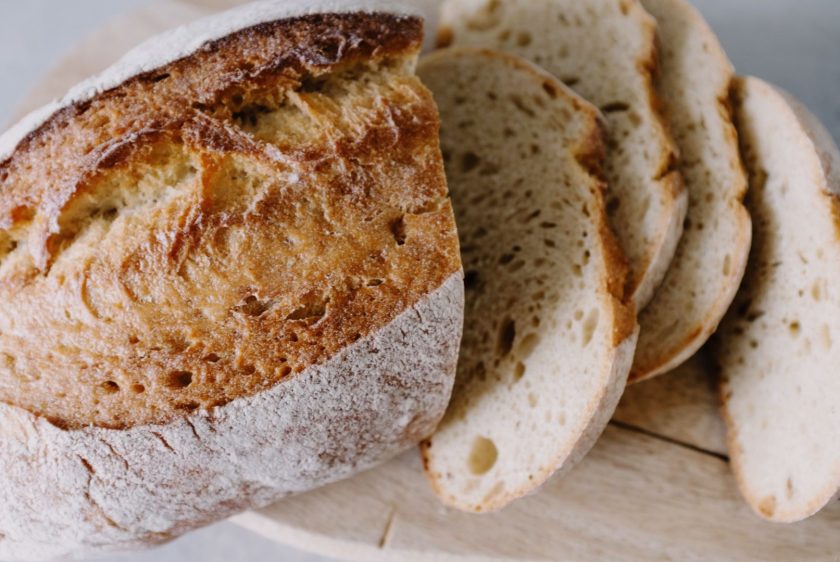
A loaf made with refined white flour through sourdough fermentation will look pale, just like any other white bread. The crust will typically be thicker and crunchier, and the crumb structure might be more open and irregular compared to the fine, uniform texture of commercial white bread.
The flour type determines the color and nutritional aspects of your bread. You can make sourdough with white flour, whole wheat flour, rye flour, or any combination. Each gives you a different nutritional profile and appearance.
Bakery labels can be confusing. Sometimes you’ll see “sourdough” and assume it’s whole grain. But check the ingredients—if white flour or enriched flour is first, you’re looking at white sourdough bread.
Think of it like this: sourdough is the technique, like “grilled” or “baked.” Just as you can grill white or dark meat chicken, you can make sourdough with white flour or whole grain flour. The fermentation method stays the same; the base ingredient changes.
Health Differences
The health comparison between sourdough and white bread isn’t as simple as you might think—especially when comparing white sourdough to regular white bread.
Overall, the nutrition facts of white sourdough bread and white conventional bread are fairly similar—a 1-ounce slice of sourdough white bread contains 77 calories, 3 grams of protein, 15 grams of carbohydrates, and 1 gram of fiber, while a 1-ounce slice of white bread contains 75 calories, 2.5 grams of protein, 14 grams of carbohydrates, and 1 gram of fiber. On paper, they’re practically twins.
But fermentation works its magic. Some flours contain phytic acid, which binds important minerals like zinc, iron, and calcium. Sourdough microbes degrade this phytic acid, enhancing the nutritional quality of the bread. Your body can actually access more nutrients from sourdough.
Key health advantages of sourdough:
- Lower glycemic index: Slower sugar release means steadier energy and better blood sugar management
- Better nutrient absorption: Fermentation breaks down phytic acid, making minerals more bioavailable
- Improved digestibility: Long fermentation breaks down gluten proteins and complex carbohydrates
- Prebiotic content: Fermentation produces compounds that feed beneficial gut bacteria
- Less processed: Traditional sourdough requires minimal ingredients and no additives
If we’re comparing whole-grain sourdough to white bread, the nutritional gap widens significantly. Depending on how long the fermentation process was, 100% whole-grain sourdough bread may even be healthier than regular whole-grain bread because sourdough fermentation can affect the nutritional profile, making some vitamins and minerals more available for our bodies to absorb.
One caveat: Many commercial bakeries have abandoned the traditional sourdough process due to long fermentation times. If a commercial loaf uses baker’s yeast to speed things up, you’re missing out on fermentation benefits.
Related: Is Sourdough Bread Good for Weight Loss?
Common Myths
Time to bust some myths about sourdough bread, because there’s a lot of misinformation out there.
Myth #1: All sourdough is healthy and nutritious. Not quite. Traditionally fermented sourdough has health benefits, but not all sourdough is created equal. A white flour sourdough fermented for only a few hours doesn’t offer the same advantages as a long-fermented whole grain version. Some commercial “sourdough” is made with added baker’s yeast and minimal fermentation—it’s sourdough in name only.
Myth #2: Sourdough is gluten-free. This is flat-out wrong and potentially dangerous. Regular sourdough bread is not gluten-free—while the natural bacteria may make it easier to digest and the fermentation process decreases the amount of gluten, it still does not reach 20ppm (parts per million) or less of gluten, which is how the United States defines gluten-free foods. If you have celiac disease, traditional wheat-based sourdough is not safe for you.
While long fermentation significantly reduces gluten levels by upwards of 50% in some cases, studies have found gluten levels between 111 ppm and nearly 15,000 ppm across different sourdoughs—the FDA stipulates foods must contain less than 20 ppm to be labeled gluten-free, so sourdough doesn’t even come close.
Some people with non-celiac gluten sensitivity report tolerating sourdough better, possibly because fermentation breaks down some gluten proteins. But that doesn’t make it gluten-free, and even if someone with celiac disease doesn’t experience symptoms after eating sourdough bread made from wheat, damage may still be happening to the villi.
Myth #3: All sourdough is whole grain. Nope! Sourdough can be made with any flour—white, whole wheat, rye, you name it. The color and appearance depend entirely on what flour the baker used.
How to Identify Your Sourdough Type
Shopping for sourdough can feel confusing when labels seem designed to mislead you. Here’s how to figure out exactly what you’re getting:
Read the ingredients list carefully
- Ignore marketing claims on the front and flip the package over
- The first ingredient tells the story: “enriched wheat flour,” “wheat flour,” or “white flour” means white sourdough
- “Whole wheat flour” or “100% whole grain” means whole grain sourdough
- Watch for sneaky labeling—”wheat flour” (just white flour) listed first with whole wheat flour later, isn’t the same as primarily whole grain
Check ingredient count and quality
- Real traditional sourdough has a short list: flour, water, salt, maybe starter
- If you see commercial yeast, sugar, preservatives, or additives, you’re not getting the real deal
- Those ingredients suggest shortcuts to speed up production
Examine texture and crust
- Real sourdough has a thick, substantial crust that shatters when cut
- The crumb inside tends to be irregular with holes of different sizes
- White sourdough will be lighter in color but should still have that crusty exterior and chewy interior
Consider the source
- Artisan bakeries are more likely to use traditional fermentation methods
- Store-bought “sourdough” might fake it with added yeast and minimal fermentation
- Ask bakeries: How long do they ferment? Do they use starter or commercial yeast? What flour type?
Use your senses
- Real sourdough has a distinctive aroma—slightly tangy, complex, fermented
- If it just smells like plain bread, it probably is plain bread with a fancy label
- Price matters too—real sourdough requires time, skill, and quality ingredients, so a $2 grocery store loaf probably isn’t using traditional methods
Making Your Own Sourdough
Want total control over your bread? Making sourdough at home is more approachable than you might think. Yeah, it takes time and patience, but the process itself isn’t complicated.
- Create or obtain your starter. This living community of wild yeast and bacteria is the foundation of everything. Creating one from scratch takes about 5-7 days of daily feedings (mixing equal parts flour and water) until it becomes active and bubbly. You can use white flour, whole wheat flour, or a combination. Each creates a slightly different flavor profile. Once established, your starter needs regular feedings and can last indefinitely with proper care.
- Wait for your starter to become active. An active starter doubles in size within 4-8 hours after feeding, smells pleasantly sour (like yogurt or beer), and is full of bubbles. If a small spoonful floats in water, it’s ready to leaven bread.
- Choose your flour. This determines whether you’re making white or whole-grain sourdough. White bread flour gives you a lighter, airier loaf with a milder flavor. Whole wheat adds nuttiness, density, and significantly more nutrition. Most bakers use a combination—maybe 70% white flour and 30% whole wheat—for the best of both worlds: good rise with added flavor and nutrition.
- Mix your dough. Combine the active starter with flour, water, and salt. Let it rest for 30-60 minutes (this is called autolyse—letting the flour hydrate). Then do a series of stretch-and-folds over a few hours to build gluten structure.
- Bulk fermentation. This typically takes 4-6 hours at room temperature, though temperature plays a huge role. Warmer environments speed up fermentation; cooler temperatures slow it down. Your dough should be puffy, jiggly, and noticeably increased in volume when ready.
- Shape and proof. Shape your dough and let it proof—either at room temperature for a few hours or in the fridge overnight. Cold fermentation extends flavor development and makes the dough easier to handle.
- Bake it. Bake at high temperature (450-500°F). A Dutch oven works brilliantly for home bakers because it traps steam, giving you that crispy, professional-looking crust.
The beauty of making your own? You control everything. Want more sour flavor? Extend fermentation time or use more whole grain flour. Prefer milder? Use mostly white flour and shorter fermentation. You can add seeds, nuts, dried fruit, herbs—whatever speaks to you.
The Bottom Line: It’s All About the Flour
So yeah, sourdough can absolutely be white bread—it just depends on what flour you use. They’re not mutually exclusive. Sourdough tells you how the bread was made (that slow, natural fermentation), while white bread tells you what it’s made from (refined flour).
The real magic of sourdough isn’t about color—it’s about fermentation. Whether you’re using white flour or whole grain, that extended rise time breaks down phytic acid, makes nutrients more available, creates complex flavors, and develops a lower glycemic index. Know what you’re eating by reading ingredient lists. If health is your primary concern, whole-grain sourdough is your best bet. Just make sure you’re getting the real thing—traditionally fermented, minimally processed, made with quality ingredients. That’s where sourdough really shines, regardless of what color the crumb ends up being.
FAQs – Is Sourdough White Bread?
Is sourdough the same as white bread?
No, sourdough isn’t the same as white bread, but it can be white bread. Sourdough refers to the fermentation method using wild yeast and bacteria, while white bread describes the flour type (refined flour with bran and germ removed). You can make sourdough with white flour, whole wheat, rye, or any combination. So white sourdough exists—it’s fermented naturally but made with refined white flour.
What breads are considered white bread?
White bread includes any bread made primarily with refined wheat flour, where the bran and germ have been removed during milling. This covers sandwich bread, dinner rolls, hot dog buns, hamburger buns, French bread, Italian bread, and even some sourdough loaves. The key identifier is refined flour as the main ingredient, which creates that light color and soft texture. Check the ingredients list—if it says “enriched flour” or “white flour” first, it’s white bread.

![What you need to know about coil fold sourdough [doing it right! ]](https://www.mydailysourdoughbread.com/wp-content/uploads/2023/01/blog-images-27-120x120.jpg "What You Need To Know About Coil Fold Sourdough [Doing It Right!] 3")

![How long to cool sourdough bread properly [best tips]](https://www.mydailysourdoughbread.com/wp-content/uploads/2023/06/how-long-to-cool-sourdough-bread-2-120x120.jpg "How Long To Cool Sourdough Bread Properly [Best Tips] 6")
