Last updated on January 26th, 2026
Red date sourdough is about to become your new baking obsession. This isn’t your basic artisan loaf—those caramel-sweet dates meet tangy fermentation in the most delicious way possible. The dates bring incredible flavor while boosting the health benefits with fiber, antioxidants, and probiotic goodness from fermentation. Understanding how red dates affect your fermentation timing is key to getting that perfect rise and pillowy crumb. I’m breaking down the flavor profile, ingredient list, step-by-step instructions, and creative serving ideas that’ll have you slicing into a gorgeous loaf that’s both stunning and nutritious.
Flavor Profile of Red Date Sourdough
There’s something magical that happens when red dates meet sourdough’s signature tang. You’re getting this beautiful marriage of flavors—the dates bring deep caramel notes that remind me of toffee or brown sugar, while the fermentation adds that classic sourdough complexity. It’s not tooth-achingly sweet, though. Think of it more like a mildly sweet sourdough that’s nuanced and layered.
The chewiness factor here is where red date sourdough really shines. The dates add moisture to the dough without making it soggy—they’re like tiny reservoirs of tenderness scattered through the crumb. Your crumb structure becomes incredibly soft and pillowy, yet the crust still develops that satisfying crackle we all love. During fermentation, the natural sugars from the dates feed your wild yeast, creating a more open, airy crumb that’s tender to the touch but has enough structure to hold up to a generous smear of butter.
Health Benefits
Red dates aren’t just delicious—they’re loaded with fiber that keeps your digestive system humming along smoothly. They’re packed with polyphenols, powerful antioxidants that help fight inflammation and protect your cells. The fermentation process breaks down phytic acid in the flour, making minerals like iron, zinc, and magnesium more bioavailable. Your body can actually absorb these nutrients more efficiently. Plus, the lactobacillus bacteria created during fermentation act as probiotics, supporting your gut health. The combination of prebiotic fiber from the dates and probiotic benefits from fermentation creates a one-two punch for digestion, making this a truly healthy sourdough bread.
Related: Sourdough Cinnamon Raisin Bread – A Yummy Classic
Ingredients
- 500g bread flour
- 350g water (70% hydration)
- 100g active sourdough starter
- 10g salt
- 150g dried red dates (jujubes), pitted and chopped
- Additional warm water for soaking dates
How Red Dates Affect Fermentation
Here’s what’s fascinating about adding red dates: their natural sugar content supercharges your fermentation. The wild yeast in your starter goes absolutely wild when it encounters those simple sugars. It’s like adding rocket fuel to your fermentation engine. This enriched sourdough will ferment faster than a plain loaf because there’s more food for the yeast to munch on. I usually shave off 15-20% of my typical bulk fermentation time when working with dates.
The lactobacillus bacteria in your starter also get more active with the added sugars. This means your dough will develop that tangy flavor profile more quickly. You’ll notice the dough becomes more elastic and extensible as the bacteria produce lactic acid, which helps strengthen the gluten network while simultaneously making it more pliable.
During dough fermentation, watch for that telltale dome and jiggle—it’ll likely happen sooner than you expect. The dates create this beautiful symbiotic relationship with your wild yeast and bacteria, resulting in a loaf that’s complex, flavorful, and surprisingly well-risen despite the added weight. Keep a close eye on your bulk fermentation, looking for about 50% volume increase rather than the typical doubling—the dates add weight that prevents a massive rise, but your dough should still feel puffy and full of air.
Baking Instructions
- Start by soaking the dried red dates in warm water for 20 minutes to soften them properly. This step is crucial—it prevents the dates from absorbing moisture from your dough later, which could throw off your hydration. Drain them well, and pat dry with a paper towel to remove any excess moisture. You want them soft but not waterlogged. Roughly chop into bite-sized pieces, about the size of a chickpea, and set aside while you work on your dough.
- Mix the bread flour and water in a large bowl until no dry flour remains. Don’t worry about it being perfectly smooth—you’re just getting everything hydrated at this stage. Cover the bowl and let it rest for 30 minutes. This autolyse period is where the magic starts happening: the flour fully hydrates, enzymes begin breaking down starches, and gluten starts developing naturally without any kneading. You’ll notice the dough becomes more cohesive and easier to work with after this rest.
- Add your active sourdough starter and salt to the dough. Your starter should be bubbly and at peak activity—this is important for getting a good rise. Mix thoroughly by hand, squeezing the dough between your fingers and folding it over itself repeatedly. Spend about 3-4 minutes doing this until the starter and salt are completely incorporated throughout the dough. It’ll feel sticky at first, but it’ll come together.
- Perform your first stretch and fold, pulling one side of the dough up and folding it over the center, then rotating the bowl and repeating on all four sides. After 30 minutes, it’s time to add those prepared red dates during your second stretch and fold session. Distribute them evenly throughout the dough, pressing them in gently as you fold. They might try to escape—just tuck them back in. Continue with 2-3 more stretch and fold sessions at 30-minute intervals to build structure and ensure the dates are well distributed.
- Now comes the critical part: watch your bulk fermentation carefully. With the added sugars from dates, your dough will ferment 30-60 minutes faster than usual. Look for about a 50% volume increase and a puffy, airy feel rather than the full doubling you’d expect with plain sourdough. The dough should feel alive, with visible air bubbles and a slight dome on top.
- Shape your dough and place it in a well-floured banneton for final proofing. You can refrigerate it for 8-12 hours for a cold proof (which develops more flavor) or proof at room temperature for 2-3 hours until it passes the poke test—when you gently press the dough, it should spring back slowly.
- Preheat your Dutch oven in the oven at 450°F for at least 30 minutes. Score your loaf with a sharp blade or lame, then carefully transfer it into the hot Dutch oven. Bake covered for 20 minutes to trap steam, then uncover and reduce the heat to 425°F for another 25-30 minutes until the crust is deep golden brown. The high initial heat helps compensate for the enriched dough, giving you better oven spring and that crackling crust everyone loves.
Related: How to Make Chocolate Sourdough Bread
Serving Suggestions
- Classic breakfast: toast a thick slice and slather it with salted butter. The slight saltiness plays beautifully against the dates’ sweetness. Pair with black tea or oolong for a breakfast that feels both indulgent and wholesome.
- Elevated toast: top with ricotta cheese and a drizzle of honey for something a bit fancier. The creamy ricotta balances the dates’ caramel notes perfectly.
- French toast: use thick slices to make decadent French toast. The dates add so much flavor that you’ll barely need syrup—just a light dusting of powdered sugar does the trick.
- Cheese pairings: serve alongside aged cheeses like sharp white cheddar or aged gouda. The sweet-savory contrast is absolutely incredible and perfect for entertaining.
- Grilled cheese: make an unexpectedly excellent grilled cheese sandwich. The dates’ sweetness balances rich, melty cheese in a way that’ll surprise you.
- Savory plates: toast and serve alongside roasted vegetables with tahini, or pair with rich meats like duck confit or pork belly. The Middle Eastern flavor profile just works.
Time to Get Baking
Red date sourdough isn’t just another bread recipe—it’s your ticket to baking something truly special. You’ve got the flavor profile down (hello, caramel sweetness meets sourdough tang), you understand the health perks from all that fiber and probiotic goodness, and you know exactly how those dates will speed up your fermentation timeline. The technique? Totally doable. Soak your dates, watch that bulk rise carefully, and trust the process. Whether you’re buttering up a slice for breakfast or pairing it with aged cheese for dinner, this loaf’s got serious range. You’ve got all the tools now—the ingredients list, the step-by-step instructions, and the confidence to nail it. Time to fire up that Dutch oven and make some magic happen.
FAQs
Are dates good in sourdough?
Absolutely! Dates are fantastic in sourdough. They add natural sweetness with caramel notes, keep the crumb incredibly soft and moist, and boost the nutritional value with fiber and antioxidants. The natural sugars in dates also feed your wild yeast, creating better fermentation activity. Just remember, they’ll speed up your bulk fermentation time by about 30-60 minutes, so watch your dough closely for that perfect rise.
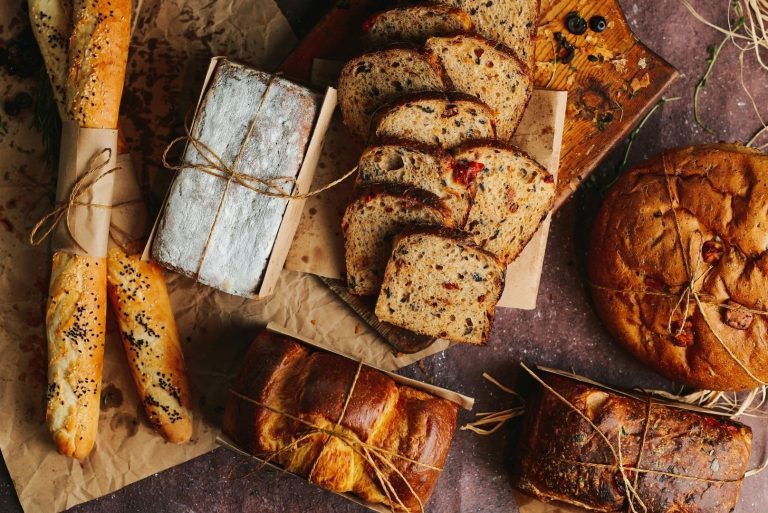
Red Date Sourdough
Red date sourdough is about to become your new baking obsession.
Ingredients
- 500g bread flour
- 350g water (70% hydration)
- 100g active sourdough starter
- 10g salt
- 150g dried red dates (jujubes), pitted and chopped
- Additional warm water for soaking dates
Instructions
- Soak dried red dates in warm water for 20 minutes to soften. Drain well, and pat dry with a paper towel. Chop into chickpea-sized pieces and set aside.
- Mix bread flour and water in a large bowl until no dry flour remains. Cover and rest for 30 minutes for autolyse.
- Add active sourdough starter and salt to the dough. Mix thoroughly by hand for 3-4 minutes, squeezing and folding until fully incorporated.
- Perform the first stretch and fold on all four sides. After 30 minutes, add prepared dates during the second stretch and fold. Continue 2-3 more sessions at 30-minute intervals.
- Watch bulk fermentation carefully. Look for 50% volume increase and a puffy texture. Fermentation will be 30-60 minutes faster than usual.
- Shape the dough and place it in a floured banneton. Refrigerate 8-12 hours or proof at room temperature 2-3 hours.
- Preheat the Dutch oven at 450°F for 30 minutes. Score the loaf, bake covered 20 minutes, then uncovered at 425°F for 25-30 minutes.
Notes
Toast a thick slice and slather it with salted butter. The slight saltiness plays beautifully against the dates’ sweetness. Pair with black tea or oolong for a breakfast that feels both indulgent and wholesome.