Last updated on August 18th, 2025
That jar of sourdough discard sitting in your fridge isn’t just taking up space—it’s your secret weapon for creating the most talked-about comfort food mashup you’ve never imagined. While most home cooks dump their excess starter down the drain, you’re about to discover how sourdough pancake lasagna transforms those tangy leftovers into something extraordinary. Forget soggy pasta sheets that fall apart and boring flavor profiles that need heavy seasoning. This genius fusion uses thick, sturdy sourdough pancakes that absorb every drop of savory goodness while maintaining perfect structural integrity, creating layers of complex flavor that regular lasagna simply can’t match.
Why This Dish Works
Think of sourdough starter as nature’s flavor laboratory, working around the clock to create something extraordinary. The production of lactic acid (as well as acetic acid) lowers the pH of your starter to around 3.5, resulting in that characteristic sour flavor of sourdough. When you fold that sourdough discard into pancake batter, you’re bringing along a complex army of flavor compounds that regular pancakes simply can’t match. Adding a sour component to pancake batter brings a touch of tanginess and helps highlight and amplify the flavors of all the other ingredients. It’s like turning up the volume on taste—every ingredient becomes more vibrant.
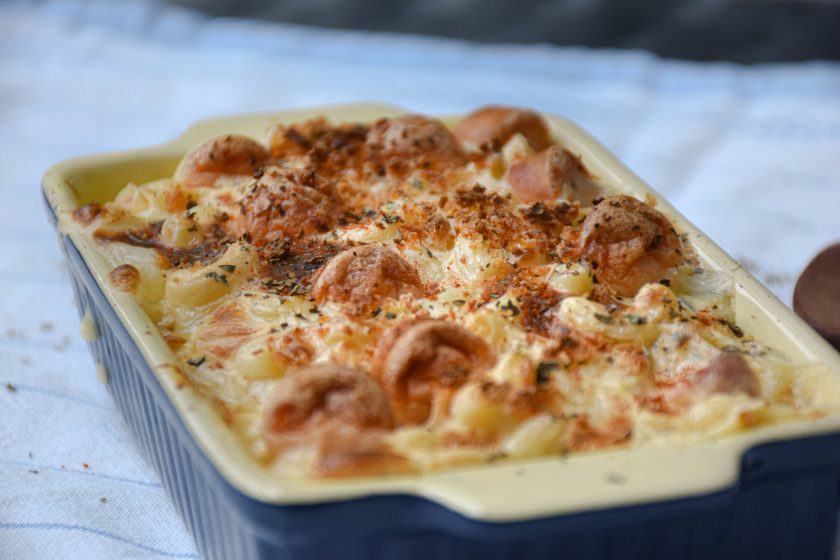
Here’s where things get interesting. These pancakes look, feel, and taste like homemade sheets of pasta once covered in sauce and cheese and beautifully browned in the oven. Unlike traditional pasta, pancakes have this incredible ability to absorb flavors while maintaining their structural integrity. They’re soft enough to cut with a fork, yet sturdy enough to support hearty fillings.
The genius lies in how three distinct flavor profiles dance together. You’ve got the tangy, slightly funky notes from the sourdough working as the bass line. Then there’s the rich, umami-packed savory sauce providing the melody. Those soft, tender pancakes? They’re the harmony that brings everything together, creating that addictive sweet-and-salty combination that keeps you coming back for more.
Ingredients
For the Pancakes:
- 1 cup sourdough discard – Cold discard works perfectly
- 1½ cups all-purpose flour – For structure and fluffiness
- 2 eggs – Binding and richness
- 1¼ cups milk – Adjust for desired consistency
- 2 tbsp melted butter – Adds tenderness
- 1 tsp baking powder – Essential lift
For Assembly:
- 15 oz ricotta cheese – Whole milk version preferred
- 24 oz marinara sauce – Quality matters here
- 1 lb ground meat – Beef, sausage, or turkey
Making the Sourdough Pancakes
These aren’t your typical Sunday morning pancakes—we’re building edible architecture here. The magic lies in creating thick, fluffy pancakes that can handle the weight of hearty lasagna fillings while maintaining their structural integrity. Your sourdough discard brings concentrated flavor and works with the baking powder to create those beautiful air pockets you need.
Think of it as constructing the foundation of a delicious building where each pancake layer needs to be sturdy yet tender. Cold discard from the fridge works perfectly, bringing tang without excess moisture that could make your pancakes too fragile.
Related: Delicious Sourdough Discard Pancakes
Steps for Perfect Lasagna Pancakes:
- Mix dry ingredients first – Whisk flour and baking powder together in a large bowl
- Combine wet ingredients separately – Beat eggs, then add sourdough discard, milk, and melted butter
- Fold together gently – Mix just until combined, lumps are fine (overmixing creates tough pancakes)
- Let batter rest – Allow 5 minutes for flour to fully hydrate and baking powder to activate
- Cook low and slow – Heat griddle to 300°F on medium-low heat for even cooking
- Pour thick portions – Use about 1/4 cup batter per pancake for substantial thickness
- Watch for bubbles – Cook until bubbles form on the surface and edges look set
- Flip once – Cook the second side until golden and cooked through completely
The batter will be noticeably thicker than regular pancake mix, and that’s exactly what you want. Each pancake should feel substantial in your hands, almost like a soft, edible sheet that can hold up to all that delicious sauce and cheese layering ahead.
Cooking the Filling
While traditional Italian nonnas would stick to the classic trio of meat, ricotta, and mozzarella, we’re playing in a whole new ballpark where pancakes become your canvas. The beauty lies in how forgiving these pancakes are—they’ll embrace whatever filling combination you throw their way.
The gold standard remains sweet Italian sausage paired with lean ground beef, creating that iconic flavor profile that makes your kitchen smell like an Italian grandmother’s been cooking all day. For plant-based options, tofu ricotta becomes your protein-packed foundation, blending firm tofu with nutritional yeast and lemon juice until it mimics traditional ricotta’s texture.
Steps for Perfect Filling:
- Brown your protein – Whether using beef and sausage or crumbled tofu, develop those beautiful caramelized bits first
- Layer in aromatics – Add diced onions, garlic, and mushrooms, cooking until softened and fragrant
- Build depth – Toss in a splash of Frank’s Hot Sauce and Worcestershire for complexity without heat
- Add vegetables – Incorporate spinach, zucchini, or bell peppers, cooking until wilted and excess moisture evaporates
- Season aggressively – Taste as you go, adding a touch of sugar to balance tomato acidity
- Thicken if needed – Use nutritional yeast or cornstarch slurry if your sauce seems too watery
Don’t sleep on creative combinations like roasted butternut squash with bechamel sauce or red lentils cooked into marinara for extra protein. The trick is cooking your veggies down properly—nobody wants soggy pancake lasagna because ingredients release too much water. Remember, you’re creating layers of flavor that’ll meld together during baking, so each component should taste fantastic on its own.
Assembling the Lasagna
Start with your lasagna pan prepped and ready. A 9×13-inch dish with at least 3 inches of depth gives you the perfect canvas for layering without overflow drama. Lightly grease the bottom—trust me, you don’t want your beautiful creation sticking when it’s time to serve.
Perfect Layering Technique:
- Sauce first, always – Spread a thin layer of marinara on the bottom of your pan to prevent sticking and create that moisture barrier
- Pancake foundation – Lay down your first sourdough pancakes, slightly overlapping edges for full coverage
- Ricotta layer – Spread about one-third of your ricotta mixture evenly, reaching all corners
- Filling distribution – Add your cooked meat or veggie filling, keeping it level for even cooking
- Cheese sprinkle – Add a generous handful of mozzarella, saving plenty for the top
- Repeat the pattern – Continue with pancakes, ricotta, filling, cheese until you’ve got 3-4 layers total
- Final pancake cap – Top with your last pancakes, then remaining sauce and cheese
The magic happens in the spacing—don’t overload any single layer. Too much sauce can make the lasagna soggy, while too little sauce can make it dry. Each component should complement, not compete with others.
Let the lasagna rest for at least 30 minutes before serving, as this allows the flavors to meld together and the cheese to set. Cover with foil for the first 35 minutes of baking at 375°F, then uncover for the final 15 minutes to achieve that golden, bubbly top.
Baking Instructions
Preheat the oven to 375°F—this sweet spot temperature ensures even cooking throughout your masterpiece. Think of 375°F as the Goldilocks zone for casserole baking: not so hot that your top burns before the center heats through, but warm enough to get everything bubbling beautifully.
Here’s where most home cooks get it wrong: they think covering with foil is an either-or situation. The secret lies in using foil strategically—covering for the first portion of baking to trap moisture and prevent the top from browning too quickly, then uncovering for that final golden finish.
Related: Sourdough Pumpkin Pancakes
Perfect Baking Method:
- Place a baking sheet underneath your casserole dish to catch any enthusiastic bubbling overflow
- Cover your casserole dish tightly with foil and bake for 35 minutes—this creates a steamy environment that keeps your sourdough pancakes from drying out
- Remove the foil and bake for an additional 15 minutes until the cheese is golden brown and bubbly
- Check that the internal temperature hits 165°F using a thermometer stuck right into the center
- Let it rest for at least 15 minutes before slicing—this cooling period lets everything set up properly instead of creating a saucy mess
That foil acts like a moisture trap during the covered phase, preventing your lasagna from becoming a dried-out disappointment, while the uncovered finale develops that irresistible crispy texture with gorgeous caramelized cheese edges that make everyone fight over corner pieces.
Leftovers & Storage
Your masterpiece will stay fresh in the fridge for 3 to 5 days when stored properly in an airtight container. Let your lasagna cool completely before refrigerating to avoid condensation—this prevents that dreaded soggy bottom. Those sourdough pancakes hold up better than traditional pasta, making your meal prep game incredibly strong.
The oven is your reheating method of choice. Preheat to 325°F, sprinkle with a little water or sauce, wrap in aluminum foil, and bake for up to 45 minutes. That foil creates a steamy environment that rehydrates everything without turning it into mush. For quick single servings, microwave with 2 tablespoons of water on top, covered with plastic wrap, heating in 60-second increments to prevent explosive disasters.
Your Sourdough Discard Just Got Seriously Delicious
You’ve just unlocked the secret to transforming forgotten sourdough discard into pure comfort food gold. Those tangy pancakes aren’t just pasta substitutes—they’re superior, absorbing every drop of flavor while staying perfectly intact.
With strategic baking techniques and that crucial 15-minute rest period, you now have everything needed for lasagna perfection. This isn’t just another recipe—it’s your ticket to becoming the person who brings the most talked-about dish to every gathering. Your sourdough discard will never feel like waste again.
FAQs – Sourdough Pancake Lasagna Recipe
Is sourdough pancake healthy?
Sourdough pancakes offer several health benefits compared to regular pancakes. The fermentation process breaks down gluten and phytic acid, making nutrients more bioavailable and easier to digest. The natural probiotics support gut health, while the lower glycemic index helps stabilize blood sugar levels. However, they’re still pancakes with flour, eggs, and butter, so enjoy them as part of a balanced diet rather than a health food.
Why is it necessary to discard sourdough starter?
You don’t need to throw away sourdough discard—that’s wasteful! The “discard” refers to the portion removed before feeding your starter to maintain proper ratios and prevent overgrowth. Without removing some starter, you’d eventually have gallons of it taking over your kitchen. Instead of tossing it, use that tangy, flavorful discard in recipes like pancakes, crackers, or bread for delicious zero-waste cooking.
Can you mix sourdough starter with pancake mix?
Absolutely! Replace about half the liquid in your pancake mix with sourdough discard for extra tang and complexity. Start with ½ cup of discard and reduce the milk or water accordingly. The acidity in sourdough will react with baking soda/powder for extra lift, creating fluffier pancakes with incredible depth of flavor. Cold discard works perfectly—no need to bring it to room temperature first.
Why are my sourdough pancakes gummy?
Gummy sourdough pancakes usually result from overmixing the batter, which develops too much gluten and creates a tough, chewy texture. Mix ingredients just until barely combined—lumps are perfectly fine. Also, check your liquid ratios; too much sourdough discard without adjusting other liquids can make pancakes dense. Cook on medium-low heat to ensure they cook through completely without burning the outside while staying raw inside.
Sourdough Pancake Lasagna
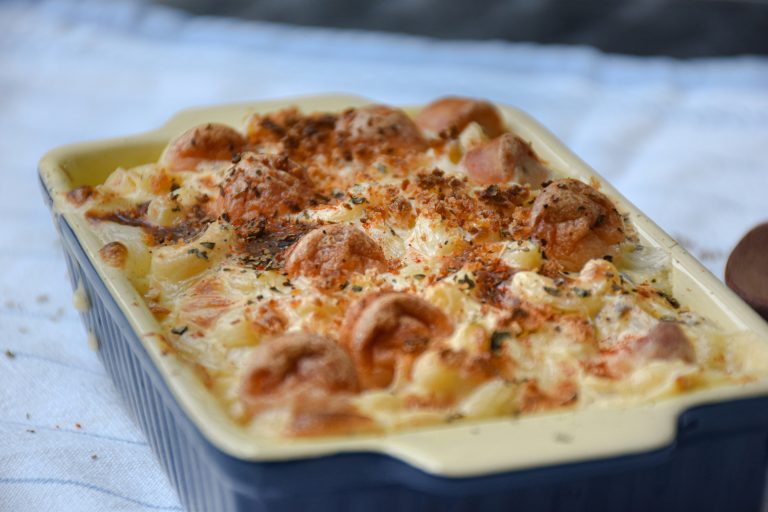
Unlike traditional pasta, pancakes have this incredible ability to absorb flavors while maintaining their structural integrity. They’re soft enough to cut with a fork, yet sturdy enough to support hearty fillings.
Ingredients
- 1 cup sourdough discard
- 1½ cups all-purpose flour
- 2 eggs
- 1¼ cups milk
- 2 tbsp melted butter
- 1 tsp baking powder
- 15 oz ricotta cheese
- 24 oz marinara sauce
- 1 lb ground meat
Instructions
- Mix dry ingredients – Whisk flour and baking powder in a large bowl.
- Combine wet ingredients separately – Beat eggs, add sourdough discard, milk, and melted butter.
- Fold gently – Mix just until combined, lumps are fine. Overmixing creates tough pancakes.
- Rest batter – Allow 5 minutes for flour hydration and baking powder activation.
- Cook low and slow – Heat griddle to 300°F on medium-low for even cooking.
- Pour thick portions – Use ¼ cup batter per pancake for substantial thickness.
- Watch for bubbles – Cook until bubbles form on the surface and edges set.
- Flip once – Cook the second side until golden and cooked through.
Notes
Steps for Perfect Filling:
- Brown protein – Whether beef/sausage or crumbled tofu, develop caramelized bits first for deep flavor.
- Layer aromatics – Add diced onions, garlic, and mushrooms, cooking until softened and fragrant.
- Build depth – Add a splash of Frank’s Hot Sauce and Worcestershire for complexity without heat.
- Add vegetables – Incorporate spinach, zucchini, or bell peppers, cooking until wilted and excess moisture evaporates.
- Season aggressively – Taste as you go, adding touch of sugar to balance tomato acidity.
- Thicken if needed – Use nutritional yeast or cornstarch slurry if sauce seems too watery.