Last updated on December 15th, 2025
You’ve nailed your sourdough starter and perfected your technique—now comes the big decision of what do you bake sourdough bread in. The vessel you choose dramatically impacts your crust, oven spring, and overall results, yet most recipes casually mention equipment without explaining your options. From heavy-duty Dutch ovens to ceramic cloches, versatile combo cookers, baking stones, and simple loaf pans you already own, each method delivers different results. Understanding the pros and cons of each option means you can match the right baking vessel to your goals, budget, and skill level for consistently gorgeous loaves every single time.

Dutch Oven
Think of a Dutch oven as your secret weapon for creating bakery-quality sourdough at home. This heavy, lidded pot—whether it’s cast iron or enamel-coated—essentially mimics those fancy professional bread ovens you see in artisan bakeries. When you slide your dough into a preheated Dutch oven and clamp that lid on tight, you’re creating a sealed environment where the magic happens.
Here’s the deal: as your dough bakes, the moisture inside turns to steam, but instead of escaping into your oven, it’s trapped inside that covered pot. This steam keeps your crust soft just long enough for your bread to expand dramatically—that beautiful oven spring we all chase after. The thick cast iron walls hold onto heat like nobody’s business, giving you consistent, stable temperatures throughout the bake. After about 20 minutes, you remove the lid, and that’s when your crust transforms into that deep golden, blistered beauty with an incredible crunch.
Sizing matters here. A 5 to 6-quart Dutch oven hits the sweet spot for most home baking—plenty of room for your dough to rise without spreading too much. And preheating is non-negotiable. Get that Dutch oven scorching hot (we’re talking 450-500°F for 45 minutes to an hour) before your dough goes in. Use parchment paper as your insurance policy for easy transfers, and always wear serious oven mitts because this thing gets ridiculously hot.
Pros:
- Creates a perfect crust with minimal effort through steam retention
- Holds consistent heat for even baking and impressive oven spring
- Produces professional bakery-quality results at home
- Works for other cooking, like soups and stews
Cons:
- Heavy to lift, especially when hot and full of bread
- Can be expensive, particularly enamel-coated versions
- Requires lengthy preheating time (45-60 minutes)
- Takes up significant oven and storage space
Related: What Size Dutch Oven for Sourdough Bread Should You Use [Complete Guide]
Bread Cloche
Picture a ceramic dome sitting over your dough like a little bread sanctuary—that’s essentially what a bread cloche does. These beautiful ceramic or stoneware baking domes are designed to mimic those traditional brick ovens you’d find in European bakeries, and honestly, they’re kind of genius. The dome shape creates this perfect little steam chamber that works wonders for your sourdough’s crust development.
What makes a cloche special is that porous ceramic material—it breathes just enough to create an ideal baking environment while trapping all that precious moisture. When your dough bakes under that dome, the steam stays right where you need it, keeping your crust from setting too quickly and giving your bread room to spring up beautifully. The result? That crackly, blistered crust with a gorgeous caramel color that’ll make you feel like a professional baker.
They’re also stunning to look at—many bakers leave them right on the counter because they double as kitchen decor. And if you’re into rustic, artisan-style loaves with that authentic bakery look, a cloche delivers every single time. Just preheat it along with your oven, transfer your dough carefully (some come with a base that makes this easier), and let the dome work its magic.
Pros:
- Mimics professional steam-injected ovens for authentic results
- Creates exceptionally crisp, crackly crust with beautiful color
- Attractive presentation piece that looks great in any kitchen
Cons:
- Expensive compared to other baking vessels
- Heavy and requires careful handling when hot
- Fragile—can crack or chip if dropped or temperature-shocked
Combo Cooker
Here’s a clever twist on the Dutch oven concept that solves one of its biggest headaches—the combo cooker flips the script. Instead of lowering your dough into a deep, scorching hot pot (scary, right?), you place it on the shallow skillet base and cover it with the deeper pot piece as the lid. It’s basically a Dutch oven that thought about your safety and convenience.
The Lodge combo cooker is the darling of the sourdough community, and for good reason. That shallow base makes transferring your dough so much easier—no more death-defying drops into a blazing hot cavity. You get all the same steam-trapping benefits as a traditional Dutch oven, but with way less stress. Plus, it’s incredibly versatile. When you’re not baking bread, that skillet works great for searing steaks, and the deep side handles stews and roasts like a champ.
The cast iron construction holds heat beautifully and creates that enclosed environment your dough craves for maximum oven spring. It’s particularly great if you’re still building confidence with your sourdough skills—the easier setup means you can focus on perfecting your technique rather than wrestling with equipment. Just remember to season it regularly, like any cast iron, and it’ll serve you well for years.
Pros:
- Lighter, easier-to-handle lid design reduces burn risk
- Versatile for multiple cooking methods beyond bread
- Produces excellent crust and dramatic oven spring
Cons:
- Not as widely available as standard Dutch ovens
- It can be costly depending on the brand
- Still requires preheating and careful handling
Baking Stone / Steel with Roasting Pan Lid
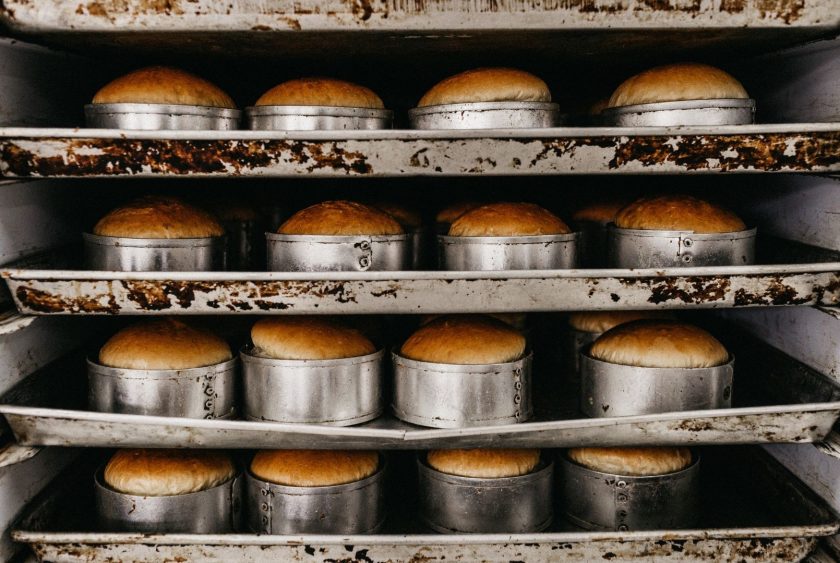
If you’re ready to level up from Dutch oven baking and want to bake multiple loaves at once, this method’s your ticket. A baking stone or steel gives you that intense, even heat from below—think of it as recreating a brick oven floor right in your home kitchen. The stone absorbs and radiates heat steadily, giving you a crispy bottom crust that’s hard to beat.
The trick here is steam management. You’ll use an inverted roasting pan, large bowl, or even a disposable aluminum pan to trap steam over your loaf during the first 20 minutes of baking. Some bakers get fancy with lava rocks in a pan on the bottom rack or wet towels to generate additional steam, but a simple roasting pan cover works surprisingly well. When you remove that cover halfway through, your bread gets to crisp up and develop that deep color we’re all after.
This method takes a bit more finesse than a Dutch oven—you’ve got to work quickly to keep your oven temperature stable, and steam burns are a real possibility (good oven mitts are your friends here). But the payoff is worth it. You can bake two or even three loaves simultaneously, and the results are genuinely bakery-quality. Just make sure everything’s preheated for at least 45 minutes before you start.
Pros:
- Produces exceptionally crispy crust that mimics brick oven results
- Even heat distribution for consistent baking
- Allows baking multiple loaves at once
Cons:
- Requires careful steam management and quick movements
- Higher risk of burns from steam or hot equipment
- Needs lengthy preheating and more equipment coordination
Related: Baking Sourdough on Pizza Stone – Your Easy Guide!
Loaf Pan or Casserole Dish
Sometimes you just want bread that fits perfectly in your toaster, and that’s where loaf pans shine. Baking sourdough in a standard loaf pan yields the familiar sandwich-bread shape, complete with all the tangy goodness of sourdough. It’s honestly one of the most beginner-friendly approaches because the pan does a lot of the work for you—no fancy shaping skills required.
The beauty of this method is its simplicity and accessibility. Shape your dough into a rough oval, plop it in a buttered loaf pan, and let it proof right there. You can even use a second loaf pan flipped on top as a makeshift Dutch oven to trap some steam, or just place a pan of water on the lower rack. The bread comes out with a softer crust (especially on the sides) and a nice, even crumb that’s perfect for slicing.
A casserole dish works similarly—just make sure it’s oven-safe to high temperatures. The trade-off? You won’t get quite the same dramatic oven spring or ultra-crusty exterior as you would with a Dutch oven, but you’ll still have delicious homemade sourdough that’s infinitely more practical for everyday use. Lower baking temperatures (around 400°F instead of 500°F) work better here to prevent burning the exposed crust.
Pros:
- Accessible and inexpensive—most people already own these
- Beginner-friendly with forgiving shaping requirements
- Perfect sandwich-slice shape for everyday use
Cons:
- Less steam retention leads to softer, less dramatic crust
- May result in reduced oven spring compared to covered methods
- It can affect the final texture and appearance of the loaf
Find Your Perfect Sourdough Baking Vessel
You don’t need fancy equipment to bake incredible sourdough at home. Whether you choose a Dutch oven for that professional bakery crust, a beautiful bread cloche, a beginner-friendly combo cooker, a baking stone setup for multiple loaves, or a simple loaf pan you already own, every method can produce delicious results.
Your choice comes down to your baking goals and budget. Want crusty artisan loaves? Go Dutch oven or cloche. Need sandwich bread? Grab a loaf pan. Baking for a crowd? Try the stone method. Start with what you have, master the basics, and upgrade as you grow.
Now get baking—you’ve got everything you need!
FAQs – What Do You Bake Sourdough Bread In?
What’s the best pan to bake sourdough bread in?
A 5-6-quart Dutch oven is the gold standard for baking sourdough at home. It traps steam perfectly, creating that crispy crust and dramatic oven spring you’re after. Cast iron holds heat beautifully and mimics professional bakery ovens. If you don’t have one, combo cookers, bread cloches, or even a loaf pan work great—just choose based on your budget and the crust texture you want.
What can I use if I don’t have a Dutch oven for bread?
You’ve got plenty of options! A combo cooker offers similar results with easier handling. Try a bread cloche for authentic artisan crusts, or use a baking stone with an inverted roasting pan as a lid to trap steam. Even simpler, bake in a regular loaf pan with a water pan underneath for steam. Casserole dishes with lids work too—make sure they’re oven-safe to high temperatures.
Can I bake sourdough on a cookie sheet?
Yes, you can bake sourdough on a cookie sheet, though you’ll get better results on a preheated baking stone or steel. The key is managing steam—place a pan of water on the lower rack or cover your loaf with an inverted roasting pan for the first 20 minutes. Your crust won’t be quite as crispy as Dutch oven bread, but you’ll still get delicious homemade sourdough.
![How to cold proof sourdough [your easy guide]](https://www.mydailysourdoughbread.com/wp-content/uploads/2023/01/blog-images-40-120x120.jpg "How To Cold Proof Sourdough [Your Easy Guide] 3")
![What you need to know about coil fold sourdough [doing it right! ]](https://www.mydailysourdoughbread.com/wp-content/uploads/2023/01/blog-images-27-120x120.jpg "What You Need To Know About Coil Fold Sourdough [Doing It Right!] 5")

![Can you freeze sourdough bread [top ways! ]](https://www.mydailysourdoughbread.com/wp-content/uploads/2023/06/can-sourdough-bread-be-frozen-120x120.jpg "Can You Freeze Sourdough Bread? Yes, And Here'S How 7")
