Last updated on October 24th, 2025
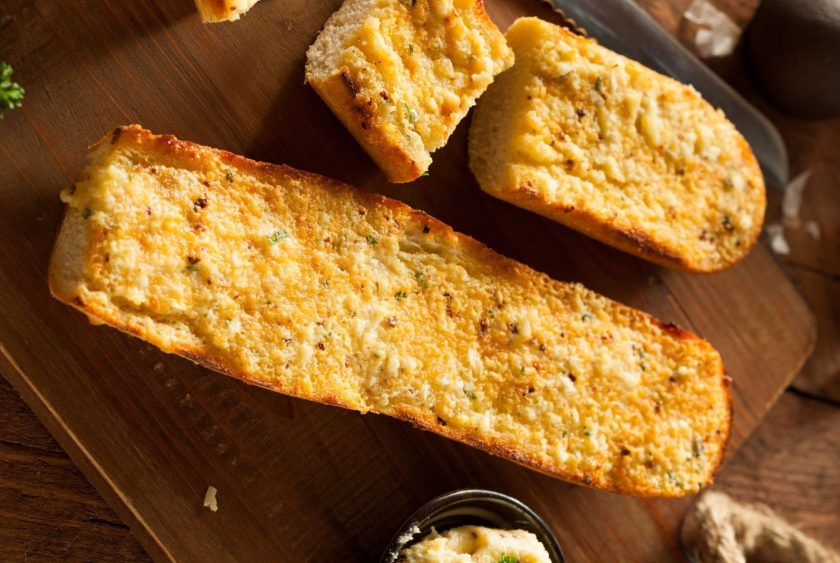
There’s something almost magical about pulling a golden, bubbling tray of cheesy bread from the oven. The aroma alone—that intoxicating blend of melted mozzarella, sharp cheddar, and nutty parmesan mingling with butter and garlic—has a way of summoning everyone to the kitchen. That’s exactly what makes this cheesy bread recipe such a crowd favorite. The perfect balance of crispy edges and soft, pillowy interior cradles pockets of gooey, stretchy cheese. Making cheesy bread at home is ridiculously approachable with straightforward ingredients and a forgiving process. Using a sourdough base adds a subtle tang that plays beautifully against rich, melted cheese.
Ingredients
- 3-4 cups all-purpose flour
- 1 packet (2¼ tsp) active dry yeast
- 1 cup warm whole milk (110°F)
- 4 tbsp melted butter, plus extra for brushing
- 2 cups shredded cheese (mozzarella, cheddar, parmesan)
- 3-4 cloves garlic, minced (or 1-2 tsp garlic powder)
- 1 tbsp sugar
- 1½ tsp salt
- Optional: dried herbs (oregano, basil, Italian seasoning), red pepper flakes
Equipment and Tools
- Large mixing bowl
- Measuring cups and spoons (or kitchen scale)
- Whisk or fork
- Clean the countertop or the stand mixer with the dough hook
- Baking sheet or 9×13-inch baking pan
- Parchment paper
- Pastry brush
- Sharp knife or pizza cutter
- Kitchen thermometer (optional)
Step-by-Step Preparation
Alright, let’s get our hands dirty—or rather, delightfully doughy. This is where your cheesy bread goes from concept to reality.
Waking Up the Yeast
Start by warming your milk until it’s just right—that 110°F sweet spot where yeast activates without dying. Pour it into your mixing bowl, sprinkle in the yeast and sugar, then walk away for about 5 minutes. You’re looking for it to get foamy on top, like a tiny bubble bath. That foam means your yeast is alive and ready to party.
Building the Dough
Once your yeast is foamy, add your melted butter, about half your cheese (save the rest for later), minced garlic, and salt. Stir it together, then start adding flour—one cup at a time. This isn’t a race. As you add flour, the mixture transforms from soupy to shaggy to eventually coming together as actual dough. You’ll know you’re there when it pulls away from the bowl’s sides but still feels slightly sticky.
The Kneading Process
Turn your dough onto a lightly floured surface. Now here’s where people get intimidated, but kneading is just organized smooshing. Push the dough away with the heel of your hand, fold it back over itself, give it a quarter turn, and repeat. You’re doing this for about 8-10 minutes by hand (or 5 minutes in a stand mixer). The dough should go from sticky and rough to smooth and elastic—it’ll literally change texture under your hands. Think of it like working out a piece of clay; you’re developing the gluten structure that gives bread its chew.
The Rise Time
Shape your dough into a ball, place it in a greased bowl, cover it with a damp kitchen towel or plastic wrap, and let it rise somewhere warmish until it doubles in size. This usually takes an hour to ninety minutes. Your dough is literally alive right now, creating air pockets that’ll make your bread light instead of dense.
Shaping and Adding Cheese
Once risen, punch down your dough (satisfying, right?). Now you’ve got options: roll it into a rectangle and add your remaining cheese before rolling it up like a log, or press it into your baking pan and stuff cheese into slits you cut across the top. Either way, you’re creating pockets where cheese will melt into gooey perfection. Brush the top with melted butter mixed with garlic—don’t skip this, it’s flavor insurance.
Related: The Best Tasting Sourdough Cheese Bread Recipe
Baking Instructions
This is the home stretch where your kitchen starts smelling absolutely incredible and you become everyone’s favorite person.
Temperature and Timing
Preheat your oven to 375°F—this moderate temperature gives you that golden crust without scorching while ensuring the inside bakes through completely. Slide your prepared cheesy bread into the middle rack (the sweet spot for even heat) and set a timer for 25 minutes. That’s your baseline, but ovens are like fingerprints—no two are exactly alike.
What to Watch For
Around the 20-minute mark, start paying attention. You’re looking for a gorgeous golden-brown top—not pale, not burnt, but that perfect amber that screams “I know what I’m doing.” The cheese should be bubbling enthusiastically, maybe even getting slightly crispy around the edges where it touches the pan. If you’re unsure whether the inside is done, grab that dough and give the bread a tap on the bottom—it should sound hollow, not dense.
Oven Tips for Success
If your bread is browning too quickly on top but isn’t done inside, tent it loosely with aluminum foil for the last 5-10 minutes. This lets the interior finish baking without turning your crust into charcoal. Got a dark-colored baking pan? Your bread might cook faster since dark pans absorb more heat. A light-colored pan gives you more wiggle room. And here’s a pro move: place a small oven-safe dish of water on the bottom rack while baking. That extra moisture helps create a softer interior while keeping the crust from getting too tough.
The Cooling Conundrum
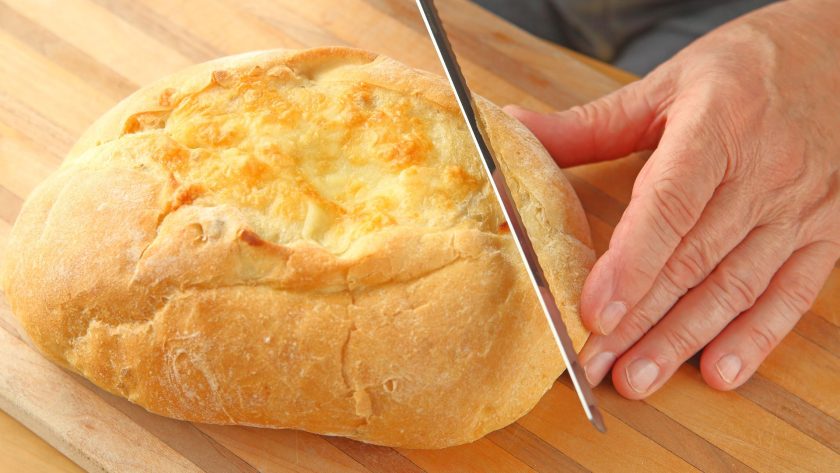
I know, I know—waiting is torture when your cheesy bread is sitting right there, taunting you. But give it at least 5-10 minutes to cool slightly. This lets the structure set up so your slices don’t turn into a melted cheese avalanche. Use parchment paper to lift it right out of the pan if you lined it, or just slice it directly in the baking dish. Honestly? Some of the best bites happen when it’s still warm enough that the cheese stretches as you pull a piece away.
Serving Suggestions
Your cheesy bread deserves the perfect accompaniments to make it shine:
- Soup pairings: Dunk into tomato soup, minestrone, or creamy potato soup, where the cheese adds richness while the bread soaks up every last drop
- Fresh salads: Serve alongside a crisp green salad, where the freshness cuts through the richness of the bread
- Marinara sauce: The classic dipping choice—tangy tomato against melted cheese creates pure magic
- Ranch or garlic aioli: Adds creamy coolness that complements the warm, cheesy bread
- Balsamic reduction: Drizzle or dip for an elevated flavor that makes a weeknight dinner feel special
- Herb-infused olive oil: Simple but sophisticated dipping option
- Charcuterie boards: Serve thick slices alongside cured meats and pickled vegetables for casual entertaining
- Party appetizer: Cut into smaller pieces and watch them disappear faster than you can replenish the tray
- Complete meal: Pair with grilled vegetables or roasted chicken for a satisfying dinner
Right before serving, brush warm bread with extra melted butter and sprinkle fresh parsley, basil, or parmesan over the top for color and bakery-level presentation.
Tips for Perfection
Shred your own cheese instead of using pre-shredded bags—those anti-caking agents release excess moisture that creates soggy bread. Use low-moisture mozzarella for that perfect cheese pull without greasiness. Mix multiple cheese types for more even melting and complex flavor. Bring the cheese to room temperature before adding it to the dough so it melts evenly during baking.
Let your bread cool completely before storing to avoid trapping steam. Store in an airtight container at room temperature for 2 days, or refrigerate for up to 5 days. For longer storage, wrap individual portions in plastic wrap, then foil, and freeze for up to 3 months. Reheat frozen slices in a 350°F oven for 10-15 minutes.
Add flour one tablespoon at a time if the dough is too sticky. Add water or milk gradually if the dough is too dry and crumbly. If yeast didn’t foam, your liquid was too hot or too cold—start over with fresh yeast and properly warmed milk. Dense bread means dead yeast or insufficient rise time.
Use an oven thermometer to verify actual temperature—too low creates pale, tough bread while too high burns the outside before cooking the inside. Place a dish of water on the bottom oven rack while baking to create moisture for a softer interior without a tough crust.
Related: Savory And Easy Herb and Cheese Sourdough Babka
Variations and Add-Ons
Triple the garlic for intense flavor. Mix roasted garlic cloves directly into the dough. Create garlic butter with melted butter, minced fresh garlic, and garlic powder, then brush generously before and after baking. Sprinkle garlic salt over the finished bread.
For stuffed versions, roll dough into a rectangle, layer with cheese, pepperoni, and Italian seasonings, then roll up jelly-roll style and bake seam-side down. Or create pull-apart style by cutting dough into chunks, tossing with melted butter and cheese, and layering in a bundt pan.
Add finely chopped fresh rosemary for aromatic, piney notes. Use dried Italian seasoning (oregano, basil, thyme) for pizza-style flavor. Add red pepper flakes or diced jalapeños for heat. Sprinkle everything bagel seasoning on top before baking for a savory crust.
Mix crispy crumbled bacon into the cheese layer. Add diced ham or cooked, crumbled sausage—ensure all proteins are fully cooked before adding. Drizzle honey over finished bread for a sweet-salty contrast. Mix caramelized onions into the cheese filling for depth and subtle sweetness.
Your Cheesy Bread Awaits
You’ve got everything needed to create cheesy bread that’ll have people requesting the recipe. This recipe grows with you—start by following each step, then customize with herbs and variations that suit your taste. Make this happen this week. Get your hands in that dough and fill your kitchen with incredible aromas. Drop a comment sharing how it turned out and what you changed. Check out other recipes for more bread adventures, from classic sourdough to quick breads. Stop reading and start baking.
FAQs – The Ultimate Cheesy Bread Recipe
What cheese for cheese bread?
The best combination uses mozzarella for that signature stretchy pull, sharp cheddar for bold flavor, and parmesan for nutty depth. Use about 2 cups total of shredded cheese. Low-moisture mozzarella works best to avoid soggy bread. You can also experiment with provolone, Monterey Jack, or Gruyère. Always shred cheese fresh rather than using pre-shredded cheese for better melting and texture.
Is cheesy bread good for you?
Cheesy bread offers calcium and protein from cheese, plus carbohydrates for energy. It’s best enjoyed in moderation as part of a balanced diet since it’s higher in calories, saturated fat, and sodium. You can make it healthier by using whole wheat flour, reducing butter, choosing lower-fat cheese options, and adding herbs for extra nutrients. Pair it with vegetables or salad for a more balanced meal.
How to make cheese on bread?
Mix warm milk, yeast, and sugar until foamy. Add melted butter, half the shredded cheese, garlic, and salt. Gradually add flour until the dough forms. Knead for 8-10 minutes until smooth. Let rise for 60-90 minutes until doubled. Shape dough, add remaining cheese to pockets or layers, brush with garlic butter, and bake at 375°F for 25 minutes until golden brown.
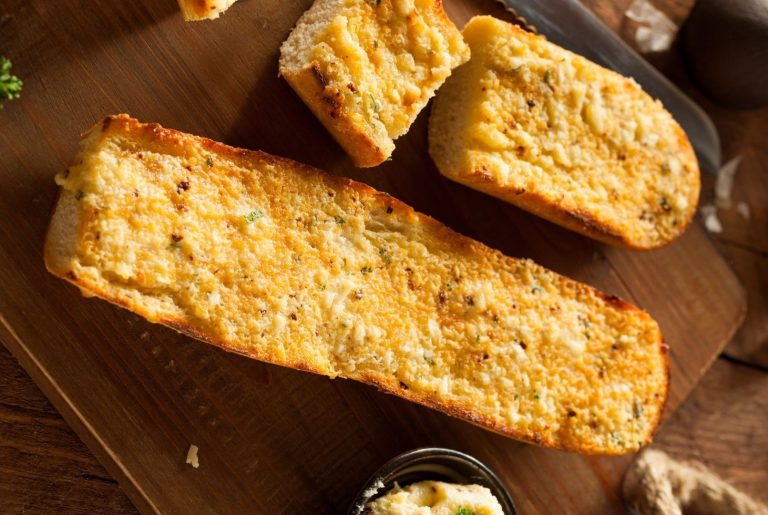
Cheesy Bread
Making cheesy bread at home is ridiculously approachable with straightforward ingredients and a forgiving process. Using a sourdough base adds a subtle tang that plays beautifully against rich, melted cheese.
Ingredients
- 3–4 cups all-purpose flour
- 1 packet (2¼ tsp) active dry yeast
- 1 cup warm whole milk (110°F)
- 4 tbsp melted butter, plus extra for brushing
- 2 cups shredded cheese (mozzarella, cheddar, parmesan)
- 3–4 cloves garlic, minced (or 1–2 tsp garlic powder)
- 1 tbsp sugar
- 1½ tsp salt
- Optional: dried herbs (oregano, basil, Italian seasoning), red pepper flakes
Instructions
- Waking Up the Yeast. Warm milk to 110°F, pour it into your mixing bowl, then sprinkle in yeast and sugar. Wait 5 minutes for foam to appear—this means your yeast is alive and ready.
- Building the Dough. Add melted butter, half the cheese, minced garlic, and salt to foamy yeast. Gradually add flour one cup at a time, stirring until dough pulls away from the bowl but remains slightly sticky.
- Kneading. Turn dough onto a floured surface and knead for 8-10 minutes until smooth and elastic.
- Rising. Place dough in a greased bowl, cover with a damp towel, and let rise 60-90 minutes until doubled in size.
- Shaping. Punch down risen dough, add remaining cheese into pockets or slits, and brush top with garlic butter.
- Baking. Bake at 375°F for 25 minutes until golden-brown and hollow-sounding when tapped underneath.
Notes
Shred your own cheese instead of using pre-shredded bags—those anti-caking agents release excess moisture that creates soggy bread.