Last updated on November 10th, 2026
Einkorn flour sourdough is the kind of bread that makes you pause mid-bite. It’s nutty, golden, a little sweet, and baked from the oldest wheat on the planet. Einkorn just has its own personality. Its soft, stretchy gluten loves a lighter touch, and once you really get how it ticks, everything clicks. Below, you’ll find the exact ingredients and amounts, the sweet spot for water, the fermentation cues to watch for, easy shaping and Dutch oven baking tips, plus simple fixes for common hiccups. Grab your starter, because your best homemade loaf is about to come out of the oven.
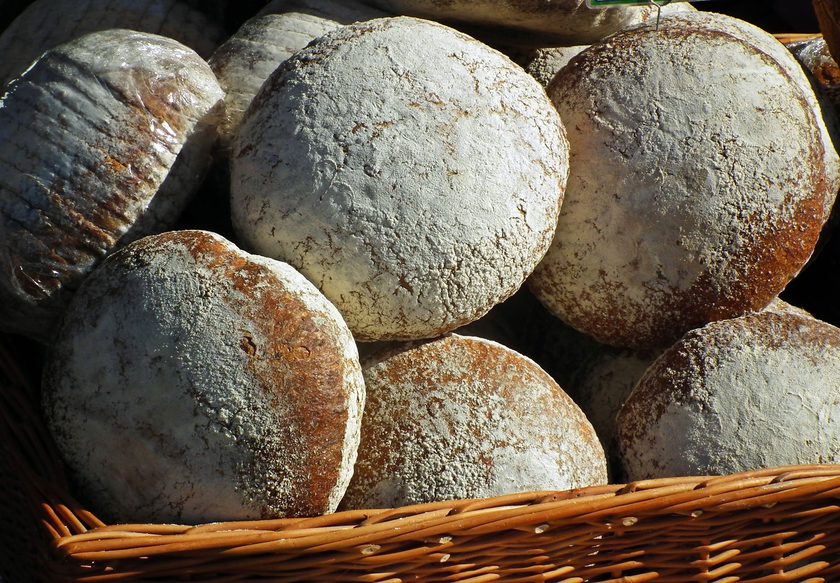
What Is Einkorn Flour Sourdough Bread?
Einkorn wheat is the oldest cultivated wheat, domesticated in the Fertile Crescent more than 10,000 years ago. Unlike modern bread wheat, with its 42 chromosomes, einkorn has just 14, and that simpler makeup gives it a weaker, softer gluten. Think silk scarf instead of trampoline net: it stretches beautifully but won’t snap back.
That’s what makes einkorn sourdough bread different. The flavor is mild, nutty, and slightly sweet, with a golden crumb from natural carotenoids. The wild yeast and lactic acid bacteria in your sourdough starter add a gentle tang that balances that sweetness like salt on caramel.
A 100% einkorn loaf gives you the deepest flavor and most tender crumb, but it rises lower, and the dough is sticky. Blending 30–50% einkorn with bread flour gives you a taller, more open loaf with milder einkorn character, ideal for beginners.
Ingredients
- 500 g all-purpose einkorn flour (or 250 g einkorn, 250 g bread flour)
- 100 g active sourdough starter, at its peak
- 300 g filtered water, lukewarm (330 g for the blend)
- 10 g fine sea salt
- Optional: 1 tbsp olive oil for a softer crumb
- Optional: 1 tbsp honey for gentle sweetness
Related: Olive Sourdough Bread (Easy Recipe with Kalamata Olives)
How to Make Einkorn Flour Sourdough Bread
This einkorn bread recipe is all about restraint. Einkorn’s weak gluten tears easily and won’t heal like bread-flour dough, so think fresh mozzarella, not pizza dough: few moves, damp hands, no kneading marathons.
- Weigh everything. Use a digital kitchen scale. Einkorn flour is fluffy, so cup measurements vary wildly, and a 30-gram swing can turn the dough into soup.
- Dissolve the starter. Stir the sourdough starter into lukewarm water (around 80°F) until milky so the yeast spreads evenly.
- Add flour and salt. Mix with a spatula, Danish dough whisk, or damp hand, scraping the bowl with a dough scraper so no dry flour hides at the edges.
- Mix until just combined. Two to three minutes, until no dry streaks remain. The dough will look shaggy and stay sticky, and that’s normal. Don’t knead: overmixing breaks down einkorn’s fragile gluten.
- Rest 30 minutes. Cover the bowl. Einkorn absorbs water slowly, and after the rest it’ll feel noticeably less sticky and more cohesive.
- Adjust if needed. If it feels stiff, work in water a tablespoon at a time. Never add flour to fix stickiness; wet your hands instead.
- Move to bulk fermentation. Transfer the dough to a straight-sided container and mark its starting level with tape so you can track the rise.
Understanding Einkorn Dough Hydration
Hydration percentage is water weight divided by flour weight, times 100. Count your starter too, since it’s half flour and half water. In our recipe, that’s 350 g water to 550 g flour, or roughly 64% hydration. A typical bread-flour sourdough sits at 70–80%.
Here’s the odd part: einkorn dough holds less water yet feels stickier. Its gluten network is weaker and more water-soluble, with a high share of gliadin, the protein that makes dough stretchy and tacky, and less of the glutenin that makes it strong. Bread flour behaves like a kitchen sponge, soaking up water and holding its shape. Einkorn is more like a cotton ball: it gets wet but can’t stand up on its own. Whole wheat flour, with its thirsty bran, absorbs even more than bread flour. And though einkorn is high in protein, protein amount doesn’t equal gluten strength.
So adjust gradually. Hold back 10–15% of the water when mixing, then add it a tablespoon at a time after the 30-minute rest if the dough feels stiff. You can always add water, but you can’t take it out. All-purpose einkorn usually works best at 60–70%, while whole grain einkorn can handle a little more. Experienced bakers sometimes push to 75% for a more open crumb, but the dough becomes slack and demands a confident hand.
Bulk Fermentation and Proofing
With einkorn, forget the “wait until it doubles” rule. Its weak gluten can’t hold that much gas, so end bulk fermentation at a 50–75% rise, when the dough is domed, bubbly along the sides, jiggles when nudged, and smells sweet and tangy. Give it two gentle coil folds in the first hour, then leave it alone.
Temperature sets the pace. At 74–78°F, expect 3 to 5 hours; warmer kitchens move faster, and einkorn ferments quicker than modern wheat. Watch the dough, not the clock.
Overproofing is einkorn’s biggest enemy. As acids build, its fragile gluten gives out, and the loaf collapses into a flat, gummy, overly sour pancake. When in doubt, stop early.
For the final proof, room temperature takes 1 to 2 hours; it’s ready when a floured fingertip leaves a dent that springs back slowly. Refrigerator proofing adds flavor and firms the dough for scoring, but it raises overproofing risk, so end bulk early, around a 40% rise, if you go overnight. A middle ground: proof at room temperature, then chill for 1 to 2 hours before baking.

How to Shape Einkorn Sourdough Dough
Einkorn won’t take a drum-tight shape, and that’s fine. Your goal is just enough structure to hold together in the oven, with as few touches as possible. Classic high stretch-and-folds tear this dough, so skip the long preshape and bench rest and do one quick shape.
- Prep the banneton first. Dust it generously with rice flour, which doesn’t absorb moisture like wheat flour and keeps sticky dough from gluing to the liner.
- Turn out the dough. Tip it gently onto a lightly floured counter, using a dough scraper to coax it from the container.
- Prep your hands. Wet or lightly floured hands, plus a bench scraper doing most of the lifting, keep tearing to a minimum.
- Shape a round or oval. For a boule, fold the edges into the center like closing an envelope, then flip it seam-side down. For a batard, fold the sides to the middle, roll it up from the top like a sleeping bag, and pinch the seam.
- Build surface tension. Cup the bench scraper behind the dough and drag it toward you two or three times. Stop there; more work tears the skin.
- Transfer to the banneton. Lift it with the scraper and place it seam-side up. Cover and proof.
- Have a backup plan. If shaping feels like wrestling an octopus, a greased loaf pan works beautifully and gives the dough walls to lean on.
Baking Einkorn Flour Sourdough Bread
A blazing-hot Dutch oven is einkorn’s best friend. Its weak gluten needs a fast burst of heat to spring up before the structure sets, much like a steak needs a screaming-hot skillet to form a crust.
- Preheat thoroughly. Place a 5-quart or larger Dutch oven, lid on, in the oven at 500°F for 45 to 60 minutes so the cast iron heats all the way through.
- Turn out onto parchment paper. Flip the dough from the banneton onto a sheet of parchment. A brief chill in the fridge beforehand makes this and scoring much easier.
- Score immediately. Dip your bread lame in water and make one confident slash, ¼ to ½ inch deep, before the dough starts to spread. Skip intricate patterns; einkorn can’t hold them.
- Bake covered. Use the parchment as a sling to lower the loaf into the pot. Cover, reduce the oven to 450°F, and bake for 25 minutes. Trapped steam keeps the crust soft so the loaf can fully expand.
- Bake uncovered. Remove the lid and bake 15 to 20 minutes more, until the crust is deep golden-amber. Einkorn’s natural sugars brown quickly, so tent with foil if it darkens too fast.
- Check the temperature. An instant-read thermometer should read 205–210°F in the center. Color alone can fool you.
- Cool for 2 hours. Einkorn’s crumb finishes setting as it cools; slicing early guarantees a gummy loaf.
Related: 5 Fiber-Rich Breads You Can Make at Home
Common Problems and How to Fix Them
- Dense or gummy crumb: A tight crumb with tunnels under the crust means underproofing; extend bulk fermentation and use a starter at its peak. A flat, damp, sour crumb means overproofing; shorten fermentation. Gummy but otherwise fine? You sliced too early or didn’t reach 205°F.
- Flat loaf with little oven spring: Usually overproofing, a sluggish starter, or a short preheat. End bulk at a 50–75% rise, preheat for a full hour, and trim the water. Remember, einkorn never rises as tall as bread-flour sourdough. A modest dome counts as a win.
- Sticky, hard-to-handle dough: Some stickiness is just einkorn being einkorn. Cut water by 15–20 g, wet your hands instead of adding flour, give the full 30-minute rest, and chill the dough 20–30 minutes before shaping.
- Pale or overly dark crust: Pale usually means a cool oven, too long covered, or overfermented dough; extend the uncovered bake. Dark means honey or a low rack; move up a rack, add a baking sheet underneath, and tent with foil.
- Bread that spreads during baking: Blame weak surface tension, overproofing, or slow transfer. Add a few extra bench scraper drags when shaping, proof less, chill before baking, work fast, or switch to a loaf pan.
Old Grain, New Obsession
Einkorn might be the oldest wheat around, but it’s got a flavor that feels brand new: mild, nutty, and a little sweet. The trick to baking with it isn’t complicated. Stop fighting its soft, delicate gluten and start working with it. Go easy on the water, keep your hands gentle, and pay closer attention to fermentation than you would with regular flour, because timing makes or breaks this dough.
Sticky dough and a modest rise? Totally normal. And when something goes wrong, the fix usually comes down to a few simple tweaks. Just remember einkorn still contains gluten. With that in your back pocket, you’re ready to wake up your starter and bake the golden, crusty sourdough you’ve been craving.
FAQs
Does einkorn flour make good sourdough?
Yes, einkorn flour makes delicious sourdough. It bakes into a golden, tender loaf with a mild, nutty, slightly sweet flavor that pairs beautifully with sourdough’s gentle tang. The dough is stickier and rises lower than bread-flour sourdough because of einkorn’s weaker gluten, but with lower hydration, gentle handling, and a shorter fermentation, you’ll get a loaf worth bragging about.
Can I make a sourdough starter with einkorn flour?
Absolutely. Mix equal weights of einkorn flour and filtered water, then feed it daily, discarding some each time, until it reliably doubles within a few hours, usually in 7 to 10 days. Expect a stickier, faster-fermenting starter than one made with regular wheat. Some bakers keep einkorn starters at around 75% hydration and feed them more often to keep fermentation in check.