Last updated on July 6th, 2026
Most store-bought breads are white bread wearing a healthy disguise. Fiber-rich breads made at home give you complete control over every ingredient, every grain, and every seed that goes into your loaf — and the difference is noticeable from the very first bite.
Hitting your daily fiber goals has never tasted this good. From a classic whole wheat loaf to a powerhouse psyllium husk multigrain, these five tried-and-tested recipes are designed to seriously boost your fiber intake without sacrificing the bread you actually want to eat. Time to preheat that oven.
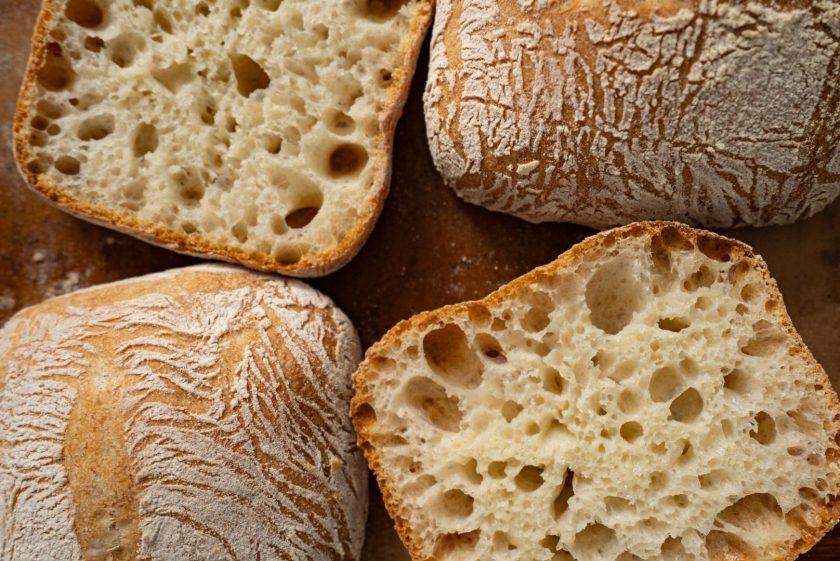
Whole Wheat Fiber Bread Recipe
Ingredients
- 3 cups whole wheat flour
- 1 cup bread flour
- 2¼ tsp active dry yeast
- 1½ tsp salt
- 1 tbsp honey
- 2 tbsp olive oil
- 1¼ cups warm water (110°F)
- 1 tbsp vital wheat gluten (optional, for better rise)
Instructions
- In a large bowl, combine the warm water, honey, and yeast. Let it sit for 5–10 minutes until foamy — that’s your yeast waking up and getting to work.
- Add the olive oil to the yeast mixture and stir to combine.
- In a separate bowl, whisk together the whole wheat flour, bread flour, salt, and vital wheat gluten if using.
- Gradually add the dry ingredients to the wet mixture, stirring until a shaggy dough forms.
- Turn the dough onto a lightly floured surface and knead for 8–10 minutes until smooth and slightly tacky. Whole wheat dough will feel denser than white — that’s completely normal.
- Place the dough in a lightly oiled bowl, cover with a damp towel, and let it rise in a warm spot for 1–1.5 hours until doubled in size.
- Punch the dough down, shape it into a loaf, and place it into a greased 9×5-inch loaf pan.
- Cover and let it rise again for 45–60 minutes.
- Preheat your oven to 375°F. Bake for 30–35 minutes until the crust is deep golden brown and the loaf sounds hollow when tapped on the bottom.
- Cool on a wire rack for at least 20 minutes before slicing.
Related: Sourdough vs Whole Wheat: Main Differences
Oatmeal Fiber Bread Recipe
Ingredients
- 2 cups bread flour
- 1 cup whole wheat flour
- 1 cup rolled oats (plus extra for topping)
- 2¼ tsp active dry yeast
- 1½ tsp salt
- 2 tbsp honey
- 2 tbsp butter, softened
- 1¼ cups warm water (110°F)
- ½ cup warm milk
Instructions
- Combine warm water, warm milk, honey, and yeast in a large bowl. Let sit for 5–10 minutes until foamy.
- Stir in the softened butter until loosely combined.
- In a separate bowl, whisk together bread flour, whole wheat flour, rolled oats, and salt.
- Add the dry ingredients to the wet mixture gradually, stirring until a soft, slightly sticky dough forms.
- Knead on a lightly floured surface for 8–10 minutes. The oats will soften into the dough as you work — expect a smooth, slightly tacky finish.
- Place dough in a lightly oiled bowl, cover, and let it rise for 1–1.5 hours until doubled.
- Punch down, shape into a loaf, and place in a greased 9×5-inch pan. Lightly mist the top with water and press a handful of rolled oats onto the surface.
- Cover and let rise for another 45–60 minutes.
- Preheat oven to 375°F. Bake for 32–36 minutes until golden brown and hollow-sounding when tapped.
- Rest on a wire rack for 20 minutes before slicing.
Flaxseed and Chia Fiber Bread Recipe
Ingredients
- 2½ cups whole wheat flour
- ½ cup oat flour
- 3 tbsp ground flaxseed
- 2 tbsp chia seeds
- 1 tbsp psyllium husk powder
- 2¼ tsp active dry yeast
- 1½ tsp salt
- 1 tbsp maple syrup
- 2 tbsp olive oil
- 1¼ cups warm water (110°F)
Instructions
- Mix warm water, maple syrup, and yeast in a large bowl. Let sit for 5–10 minutes until foamy.
- Stir in olive oil.
- In a separate bowl, combine whole wheat flour, oat flour, ground flaxseed, chia seeds, psyllium husk powder, and salt.
- Add dry ingredients to the wet mixture and stir until a firm, dense dough forms. Psyllium husk absorbs moisture fast — the dough will thicken quickly.
- Knead for 6–8 minutes. This dough will be stiffer than a standard loaf, which is expected given the seed density.
- Place in an oiled bowl, cover, and let rise for 1–1.5 hours until noticeably puffed (it won’t double as dramatically as white dough).
- Shape into a round boule or loaf and place on a parchment-lined baking sheet or greased loaf pan.
- Cover and rest for 45 minutes.
- Preheat oven to 375°F. Score the top with a sharp knife. Bake for 35–40 minutes until deeply golden with a firm crust.
- Cool completely on a wire rack — at least 30 minutes — before slicing.
Bran Bread Recipe
Ingredients
- 2 cups whole wheat flour
- 1 cup bread flour
- ¾ cup wheat bran
- 2¼ tsp active dry yeast
- 1½ tsp salt
- 2 tbsp molasses
- 2 tbsp vegetable oil
- 1¼ cups warm water (110°F)
- 2 tbsp bran flakes, crushed (for topping)
Instructions
- Combine warm water, molasses, and yeast in a large bowl. Let stand 5–10 minutes until foamy. Molasses gives this loaf a subtle depth and feeds the yeast beautifully.
- Stir in vegetable oil.
- Whisk together whole wheat flour, bread flour, wheat bran, and salt in a separate bowl.
- Gradually mix dry ingredients into the wet mixture until a rough dough comes together.
- Knead on a floured surface for 8–10 minutes. The bran will make the dough feel slightly gritty at first — it smooths out as gluten develops.
- Place in a lightly oiled bowl, cover, and let rise for 1–1.5 hours until doubled.
- Punch down and shape into a loaf. Place in a greased 9×5-inch pan, mist with water, and sprinkle crushed bran flakes over the top.
- Cover and let rise for 45–60 minutes.
- Preheat oven to 375°F. Bake for 30–35 minutes until the crust is dark and the loaf sounds hollow when tapped underneath.
- Cool on a wire rack for at least 20 minutes before cutting.
Psyllium Husk Multigrain Bread Recipe
Ingredients
- 1½ cups multigrain flour
- 1 cup whole wheat flour
- ½ cup bread flour
- 2 tbsp psyllium husk powder
- 2 tbsp ground flaxseed
- 1 tbsp chia seeds
- 2¼ tsp active dry yeast
- 1½ tsp salt
- 1 tbsp honey
- 2 tbsp olive oil
- 1⅓ cups warm water (110°F)
Instructions
- Combine warm water, honey, and yeast in a large bowl. Let sit 5–10 minutes until foamy.
- Stir in olive oil.
- In a separate bowl, whisk together multigrain flour, whole wheat flour, bread flour, psyllium husk powder, ground flaxseed, chia seeds, and salt.
- Add dry ingredients to the wet mixture and mix until a cohesive dough forms. Psyllium husk acts as a binder here, giving the multigrain loaf structure it wouldn’t otherwise have.
- Knead on a lightly floured surface for 8–10 minutes until smooth. The dough will be slightly tacky but shouldn’t stick aggressively to your hands.
- Transfer to an oiled bowl, cover with a damp towel, and let rise for 1–1.5 hours until doubled.
- Punch down, shape into a loaf, and place in a greased 9×5-inch pan.
- Cover and let rise for 45–60 minutes.
- Preheat oven to 375°F. Bake for 33–38 minutes until the top is deep golden brown and the loaf sounds hollow when tapped on the bottom.
- Cool on a wire rack for at least 25 minutes before slicing — this one needs the extra rest to let the psyllium-bound crumb fully set.
Your Next Loaf Could Change Everything
Eating more fiber doesn’t have to mean choking down bland, boring bread. Whether you’re drawn to the classic heartiness of whole wheat, the soft comfort of oatmeal, or the seed-packed powerhouse of flaxseed and chia — there’s a fiber-rich loaf here with your name on it. The bran and psyllium multigrain recipes are especially worth bookmarking if your gut’s been begging for some backup lately.
FAQs – 5 Fiber-Rich Breads You Can Make at Home
Which bread is the highest in fiber?
Wheat bran bread takes the crown for highest fiber content, thanks to the concentrated insoluble fiber packed into every slice. Psyllium husk multigrain bread is a close runner-up, combining multiple whole grains and seeds for an impressive fiber punch. Both are genuinely hard to beat when maximum fiber is the goal.