
Last updated on July 6th, 2026
Sourdough’s getting a glow-up. These high protein sourdough bread ideas take your everyday loaf and turn it into something that actually fuels you, with easy swaps and add-ins that boost protein without messing with your fermentation or that tangy, crackly crust you love.
Think creamy Greek yogurt, blended cottage cheese, crunchy seeds, hearty grains, even a scoop of whey protein. Tons of ways to pack more protein into every slice. Whether you’re baking for muscle recovery, meal prep, or just want a more filling breakfast, these seven recipes prove protein and flavor can totally rise together. Let’s dig in.
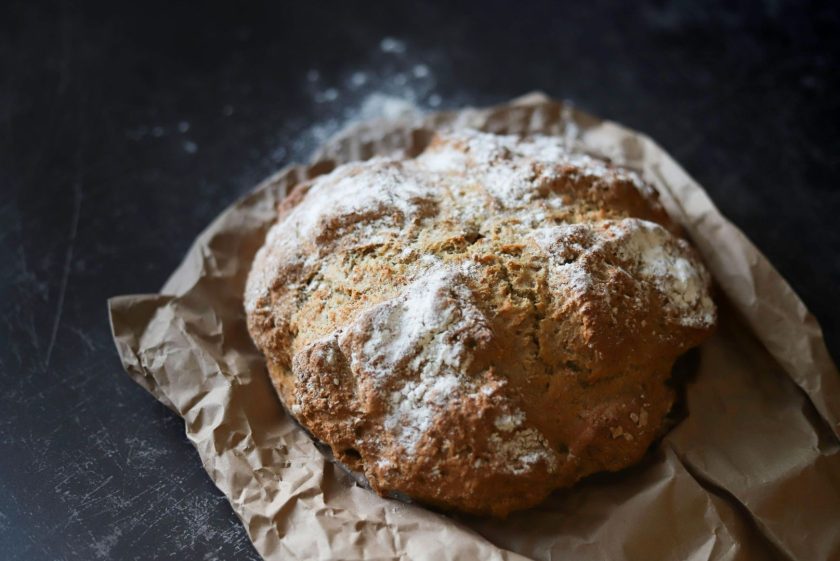
High Protein Greek Yogurt Sourdough Bread
Ingredients
- 3 cups bread flour
- ¼ cup active sourdough starter
- ½ cup full-fat Greek yogurt
- ½ cup warm water
- 1½ tsp salt
- 1 tbsp honey
Instructions
- Combine the starter, Greek yogurt, honey, and warm water in a large bowl. Add the bread flour and salt, then mix until a shaggy dough forms. Cover and rest for 30 minutes.
- Perform 4 sets of stretch-and-folds every 30 minutes over 2 hours until the dough feels smooth and elastic.
- Cover the bowl and bulk ferment at room temperature for 4–6 hours, until the dough has grown by about 50% and looks airy.
- Turn the dough onto a lightly floured surface, shape into a tight round or batard, and place seam-side up into a floured banneton or towel-lined bowl.
- Cover loosely and refrigerate overnight for 8–16 hours.
- Preheat your oven to 500°F with a Dutch oven inside for 45 minutes. Score the dough, bake covered for 20 minutes, then remove the lid and bake another 20–25 minutes until deep golden brown.
Pro Tip: Greek yogurt’s lactic acid bacteria work alongside your sourdough starter, so bulk fermentation can move faster than usual — especially in a warm kitchen. Trust the dough over the clock: look for a 50% rise and a slightly domed surface before you shape.
Cottage Cheese Sourdough Bread
Ingredients
- 3 cups bread flour
- ½ cup full-fat cottage cheese, blended smooth
- ¼ cup active sourdough starter
- ½ cup warm water
- 1½ tsp salt
- 1 tsp honey
Instructions
- Blend the cottage cheese until completely smooth — no curds. Combine it with the starter, warm water, and honey in a large bowl.
- Add the bread flour and salt, mixing until a shaggy dough forms. Cover and rest for 45 minutes.
- Perform 4 sets of stretch-and-folds every 30 minutes over 2 hours until the dough feels supple and holds its shape.
- Bulk ferment at room temperature for 5–7 hours until the dough has risen by 50% and looks bubbly at the edges.
- Shape into a round or batard, place seam-side up in a floured banneton, and refrigerate uncovered for 10–16 hours.
- Preheat your oven to 500°F with a Dutch oven inside for 45 minutes. Score the dough, bake covered for 20 minutes, then uncover and bake another 20–25 minutes until the crust is deep golden brown.
Pro Tip: Blending the cottage cheese is non-negotiable. Unblended curds create uneven pockets of moisture in the dough, which throws off fermentation and leads to a gummy crumb. Thirty seconds in a blender saves you a lot of heartache.
Related: 8 Amazing Cottage Cheese Bread Recipes
Seeded Protein Sourdough Bread
Ingredients
- 3 cups bread flour
- ¼ cup active sourdough starter
- ¾ cup warm water
- 3 tbsp hemp seeds
- 2 tbsp chia seeds
- 2 tbsp ground flaxseed
- 3 tbsp sunflower seeds
- 1½ tsp salt
Instructions
- Combine the starter and warm water in a large bowl. Add the bread flour and salt, mixing until a rough dough forms. Cover and rest for 30 minutes.
- During the first stretch-and-fold, sprinkle in the hemp seeds, chia seeds, ground flaxseed, and sunflower seeds. Fold them in gradually so they distribute evenly without tearing the dough.
- Complete 3 more sets of stretch-and-folds every 30 minutes. The chia seeds will absorb moisture and help tighten the dough naturally.
- Bulk ferment at room temperature for 5–7 hours until the dough has risen about 50% and looks airy.
- Shape into a tight round, coat the outside in extra sunflower seeds if desired, and place in a floured banneton. Refrigerate for 10–14 hours.
- Preheat your oven to 500°F with a Dutch oven inside for 45 minutes. Score, bake covered for 20 minutes, then uncover and bake 20–25 minutes until the crust is dark and crackly.
Pro Tip: Ground flaxseed absorbs water differently than whole flax — it acts almost like a binder, giving the crumb a slightly more cohesive texture. If you only have whole flaxseeds, give them a quick blitz in a coffee grinder before adding them to the dough.
Whole Wheat and Quinoa Sourdough Bread
Ingredients
- 2 cups whole wheat flour
- 1 cup bread flour
- ½ cup cooked quinoa, cooled
- ¼ cup active sourdough starter
- ¾ cup warm water
- 1½ tsp salt
- 1 tbsp olive oil
Instructions
- Whisk the whole wheat flour and bread flour together. Combine the starter, warm water, and olive oil in a large bowl, then add the flour mixture and salt. Mix until a shaggy dough forms. Cover and rest for 45 minutes.
- Add the cooked quinoa during the first stretch-and-fold, pressing it into the dough gently until evenly distributed.
- Perform 3 more sets of stretch-and-folds every 30 minutes. The whole wheat will make this dough feel denser than an all-white loaf — that’s normal.
- Bulk ferment for 6–8 hours at room temperature until risen by 50% with visible bubbles along the sides.
- Shape into a round or oval, place in a floured banneton, and cold proof in the refrigerator for 10–16 hours.
- Preheat your oven to 475°F with a Dutch oven inside for 45 minutes. Score the dough, bake covered for 22 minutes, then uncover and bake another 20–22 minutes until deeply browned.
Pro Tip: Cook your quinoa in a 1:1.5 ratio of quinoa to water so it’s fluffy rather than waterlogged. Wet quinoa throws off your dough’s hydration balance and makes shaping a mess.
Chickpea Flour Sourdough Bread
Ingredients
- 2½ cups bread flour
- ½ cup chickpea flour
- ¼ cup active sourdough starter
- ¾ cup warm water
- 1½ tsp salt
- 1 tbsp olive oil
Instructions
- Whisk the bread flour and chickpea flour together in a large bowl. Combine the starter, warm water, and olive oil separately, then pour into the flour mixture. Add salt and mix until a rough dough forms. Cover and rest for 40 minutes.
- Perform 4 sets of stretch-and-folds every 30 minutes. Chickpea flour makes the dough slightly more extensible than usual, so be firm with your folds.
- Bulk ferment at room temperature for 5–7 hours until risen by about 50% and the surface looks domed and bubbly.
- Shape into a tight round or batard, dust generously with rice flour, and place seam-side up in a banneton. Refrigerate for 10–14 hours.
- Preheat your oven to 500°F with a Dutch oven inside for 45 minutes. Score and bake covered for 20 minutes, then remove the lid and bake another 20–25 minutes until the crust is a rich amber brown.
Pro Tip: Don’t go above a 20% chickpea flour swap. Chickpea flour contains no gluten, so using too much weakens the dough’s structure, and you’ll end up with a flat, dense loaf. That 80/20 split is the sweet spot for protein gains without sacrificing the rise.

Walnut and Hemp Seed Sourdough Bread
Ingredients
- 3 cups bread flour
- ¼ cup active sourdough starter
- ¾ cup warm water
- ½ cup roughly chopped walnuts
- 3 tbsp hemp seeds
- 1½ tsp salt
- 1 tsp honey
Instructions
- Combine the starter, warm water, and honey in a large bowl. Add the bread flour and salt, mixing until a rough dough forms. Cover and rest for 30 minutes.
- Fold in the chopped walnuts and hemp seeds during the first stretch-and-fold, distributing them evenly throughout the dough.
- Perform 3 more sets of stretch-and-folds every 30 minutes until the dough is smooth, elastic, and holding the inclusions without tearing.
- Bulk ferment at room temperature for 5–6 hours until risen by 50% and looking airy with small bubbles visible.
- Shape into a round, place seam-side up in a well-floured banneton, and refrigerate uncovered for 10–14 hours.
- Preheat your oven to 500°F with a Dutch oven inside for 45 minutes. Score generously — the walnuts can resist the blade — then bake covered for 20 minutes. Uncover and bake another 20–25 minutes until the crust is deep, glossy brown.
Pro Tip: Toast your walnuts before folding them in. Five minutes in a dry skillet brings out their natural oils and deepens that nutty flavor — raw walnuts can taste slightly bitter after baking, and nobody wants that surprise in an otherwise great loaf.
Whey Protein Sourdough Bread
Ingredients
- 2¾ cups bread flour
- ¼ cup unflavored whey protein powder
- ¼ cup active sourdough starter
- ¾ cup warm water
- 1½ tsp salt
- 1 tbsp olive oil
Instructions
- Whisk the bread flour and whey protein powder together thoroughly. Combine the starter, warm water, and olive oil in a large bowl, then add the flour mixture and salt. Mix until a shaggy dough forms. Cover and rest for 40 minutes.
- Perform 4 sets of stretch-and-folds every 30 minutes. Whey protein stiffens the dough slightly — work through it; the gluten will still develop.
- Bulk ferment at room temperature for 5–7 hours until risen by 50%. Keep an eye on it — whey protein can slightly slow fermentation activity.
- Shape into a round or batard, place in a well-floured banneton, and cold proof in the refrigerator for 10–16 hours.
- Preheat your oven to 490°F with a Dutch oven inside for 45 minutes. Score the dough and bake covered for 20 minutes, then uncover and bake another 18–22 minutes. Pull it slightly earlier than usual — whey protein causes the crust to brown faster.
Pro Tip: Stick to unflavored, unsweetened whey protein. Vanilla or sweetened varieties contain additives that interfere with fermentation and leave you with an off-tasting loaf. Plain whey blends in invisibly and lets the sourdough flavor take center stage.
Your Best Loaf Is a High-Protein One
Sourdough and protein are a better match than most people realize. With the right ingredients — think dairy add-ins, protein-packed seeds, hearty whole grains, and legume-based flours — you can turn your everyday loaf into a seriously nutritious powerhouse without losing that signature sourdough flavor and crust you’re obsessed with.
The best part is that these aren’t complicated overhauls. They’re simple, smart swaps that work right alongside your existing sourdough process. Whether you’re baking for muscle recovery, meal prep, or just want a more filling slice, there’s a high-protein sourdough idea here that’s got your name on it.
FAQs – High Protein Sourdough Bread Ideas
How can I add more protein to my sourdough bread?
The easiest ways are swapping in Greek yogurt or blended cottage cheese for some of your water, adding seeds like hemp, chia, or flax to your dough, or mixing in a small amount of chickpea flour or whey protein powder. Each option boosts protein while keeping your fermentation process largely intact.
Is sourdough bread ok for a high-protein diet?
Traditional sourdough is relatively low in protein on its own, but it’s absolutely compatible with a high-protein diet when you enrich it with the right ingredients. Adding dairy, legume-based flours, or seeds can push each slice to 5–7 grams of protein — making it a genuinely solid fit for protein-focused eating.
What sourdough bread has the highest protein?
Whey protein sourdough delivers the highest protein per slice since whey is one of the most concentrated protein sources you can bake with. Chickpea flour sourdough is the top plant-based option. For a balanced everyday loaf, combining multiple protein sources — like seeds, whole grains, and a dairy add-in — gives you the best all-around nutritional punch.
Related Articles:
 Easy Bread Recipes for Beginners: 6 Simple Loaves Anyone Can Bake
 9 Irresistible Bread Bowl Recipes You Can Make at Home
 6 Delicious Yeast Bread Recipes to Bake at Home
 Parmesan Garlic Artisan Bread: Master This Amazing Homemade Recipe Guide
 Your Go-To Guide for Sourdough Dessert Bread: Recipes, Tips, and More
