
Last updated on July 28th, 2026
Fig jam bread is a soft, enriched loaf swirled with sweet, fruity fig jam — a staple of Mediterranean cuisine that’s found a very welcome home in American kitchens. Every slice delivers a naturally sweet, slightly earthy flavor that sits somewhere between everyday sandwich bread and a proper treat.
What makes it stand out from standard fruit bread is the jam itself. Fig jam brings a concentrated, complex sweetness that fresh or dried fruit can’t quite replicate, making each bite rich and satisfying without being over the top. It’s equally at home on a weekend brunch table, a holiday bread basket, or gifted to someone who deserves something homemade and delicious.
Experienced baker or total beginner — either way, you’ll find everything you need here, from ingredients to storage.

What Is Fig Jam Bread?
Fig bread has roots going back centuries across Mediterranean cultures, where figs were a pantry staple long before sugar was widely available. Traditionally, dried figs were folded into rustic doughs to add natural sweetness. Over time, bakeries and home bakers began using fig jam instead, creating a smoother, more consistent flavor throughout the loaf.
The difference between the two is straightforward. Fig loaf bread uses chopped or whole dried figs mixed into the dough, giving you chewy, concentrated pockets of fruit. Fig jam bread incorporates the jam as a filling or swirl, which distributes the flavor more evenly and produces a softer, more tender crumb. The result is a sweet fig bread that leans closer to an enriched pastry than a traditional rustic loaf — and that’s exactly what makes it so crowd-pleasing.
Ingredients
- 3 cups bread flour
- 2¼ tsp active dry yeast
- ¾ cup warm whole milk
- 3 tbsp sugar
- 4 tbsp unsalted butter, softened
- 1 tsp salt
- ½ cup thick fig jam
Related: The Ultimate Guide to Fig Walnut Sourdough
Step-by-Step Recipe
- Activate the yeast. Combine warm milk (around 110°F), sugar, and yeast in a large mixing bowl. Stir briefly and let it sit for 5–10 minutes until foamy. If nothing happens, your yeast may have expired — start fresh.
- Build the dough. Add bread flour, softened butter, and salt to the yeast mixture. Stir until a shaggy dough forms, then turn it out onto a lightly floured surface.
- Knead. Work the dough for 8–10 minutes until smooth and elastic. Alternatively, use a stand mixer with a dough hook on medium speed for 6–8 minutes. The dough should be slightly tacky but not sticky.
- First proof. Shape the dough into a ball, place it in a lightly greased mixing bowl, cover with a clean kitchen towel or plastic wrap, and let it rise in a warm spot for 1 to 1.5 hours, until doubled in size.
- Shape and fill. Punch the dough down and roll it out into a 9×12-inch rectangle on a lightly floured surface. Spread fig jam evenly across the dough, leaving a ½-inch border around the edges.
- Roll and pan. Roll the dough tightly from the short end, pinch the seam firmly to seal, and place seam-side down in a greased loaf pan.
- Second proof. Cover loosely and let the shaped loaf rise again for 45–60 minutes, until it’s puffed visibly above the rim of the pan. Preheat your oven to 350°F during this time.
- Bake. Bake for 30–35 minutes until the top is deep golden brown. For accuracy, use an instant-read thermometer — the internal temperature should hit 190–195°F.
- Cool before slicing. Remove from the pan after 10 minutes and transfer to a wire rack. Wait at least 20 minutes before slicing to let the crumb fully set. Cutting too early makes the interior gummy.
Tips for Perfect Fig Jam Bread
- Use thick fig jam. Thin or runny jam will leak through the dough during baking, creating a soggy interior. If your jam is too loose, cook it down in a small saucepan over medium heat for a few minutes until it holds its shape on a spoon.
- Don’t skip the second proof. The shaped loaf needs time to rise again before baking. Skipping it results in a dense, tight crumb that doesn’t do justice to the filling.
- Keep your roll tight. When rolling the filled dough, use firm, even pressure. A loose roll creates air pockets where jam collects and burns at the bottom of the pan.
- Check your yeast before committing. If your yeast doesn’t foam in the first 10 minutes, it’s dead. Starting over at this point saves you from a loaf that never rises.
Bread flour over all-purpose. The higher protein content in bread flour gives the dough better structure and chew, especially important when you’re incorporating a moist filling like jam. - Let the dough tell you when it’s ready. For both proofs, rely on the dough’s appearance rather than the clock. It should look visibly puffy and feel light. A slow kitchen means a longer proof — and that’s completely fine.
- Cool completely before storing. Wrapping a warm loaf traps steam, which softens the crust and can make the crumb dense. Give it a full hour on a wire rack first.
Fig Jam Bread Variations
Fig Walnut Bread
Before rolling the dough, scatter ½ cup of roughly chopped walnuts over the fig jam layer. The walnuts add crunch and a mildly bitter edge that balances the sweetness of the jam. Toast the walnuts first at 350°F for 8 minutes — it deepens their flavor significantly and makes a noticeable difference in the finished loaf.
Fig Jam Swirl Bread
After rolling the filled dough into a log, use a sharp knife to cut it in half lengthwise, exposing the jam layers. Twist the two halves around each other, keeping the cut sides facing up, and place them in the loaf pan. The jam caramelizes on the exposed surface during baking, creating a visually striking, slightly crispy top with more intense fig flavor in every slice.
Fig and Honey Bread
Drizzle 2 tablespoons of honey directly over the fig jam before rolling. This adds a floral sweetness and helps the jam layer stay moist during baking. Wildflower or clover honey works particularly well. This variation pairs especially well with sharp aged cheeses if you’re serving it as part of a cheese board.
Fig and Orange Zest Bread
Add the zest of one orange to the dough during mixing. The citrus cuts through the richness of the butter and brightens the fig flavor throughout the loaf. This is a great option if you find plain fig jam bread a little too sweet — the zest adds contrast without changing the overall structure of the recipe.
Related: Red Date Sourdough Recipe
Serving Suggestions
Fig jam bread is versatile enough to work across multiple occasions without much effort.
- Breakfast toast: Slice thick and toast until golden. Spread with cream cheese or butter while warm.
- Brunch spread: Serve sliced alongside fresh fruit, yogurt, and soft cheeses like brie.
- Cheese board: Pair thin slices with aged cheddar, manchego, or gorgonzola for a sweet-savory combination that works really well with wine.
- Dessert: Warm a slice slightly and serve with mascarpone or a light dusting of powdered sugar.
- Gifting: Wrap a full cooled loaf in parchment and twine — it travels well and holds up for 2–3 days.
The bread’s natural sweetness means it doesn’t need much added to it. Simple toppings let the fig flavor lead, and that’s exactly the point. Whether it’s on the breakfast table or the end of a dinner party, it consistently delivers without requiring any fuss.
Storage and Shelf Life
At room temperature, fig jam bread stays fresh for 2–3 days. Store it in an airtight container or wrap it tightly in plastic wrap. Avoid refrigerating it — the cold air dries the crumb out faster than leaving it on the counter.
For longer storage, this bread freezes well. Once fully cooled, wrap individual slices or the whole loaf tightly in plastic wrap, place in a freezer-safe zip-lock bag, and freeze for up to 3 months. Label the bag with the date so you’re not guessing later.
To reheat, place frozen slices directly in the toaster — no thawing needed. For a whole loaf, wrap in foil and warm at 300°F for 15–20 minutes. The texture holds up well after freezing, making it a smart option if you’re batch-baking on the weekend.
Ready to Bake Your New Favorite Loaf?
Fig jam bread is the kind of recipe that looks impressive but is totally achievable, even on a lazy weekend morning. With simple ingredients like bread flour, yeast, butter, and fig jam, you’re already most of the way there. Follow the steps, nail your proofing time, keep that jam layer tight when you roll, and you’ll pull a gorgeous golden loaf out of the oven every single time. Switch it up with walnuts, honey, or a swirl technique when you’re feeling creative. Serve it toasted, pair it with cheese, or freeze a loaf for later — it fits just about any occasion.
FAQs
Is fig bread good for you?
Fig bread offers some solid nutritional benefits — figs are a natural source of fiber, potassium, and antioxidants. When made with bread flour and real fig jam, you’re getting natural sugars rather than heavily processed ones. That said, it’s still an enriched bread with butter and sugar, so enjoy it as a treat rather than an everyday health food.
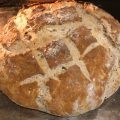
![Meet the fig jam bread [tastes as if it came from a bakery]](https://www.mydailysourdoughbread.com/wp-content/uploads/2026/03/fig-jam-bread-768x507.jpg "Meet The Fig Jam Bread [Tastes As If It Came From A Bakery] 89")
Fig Jam Bread
Fig bread has roots going back centuries across Mediterranean cultures, where figs were a pantry staple long before sugar was widely available. Traditionally, dried figs were folded into rustic doughs to add natural sweetness. Over time, bakeries and home bakers began using fig jam instead, creating a smoother, more consistent flavor throughout the loaf.
Ingredients
- 3 cups bread flour
- 2¼ tsp active dry yeast
- ¾ cup warm whole milk
- 3 tbsp sugar
- 4 tbsp unsalted butter, softened
- 1 tsp salt
- ½ cup thick fig jam
Instructions
- Activate the yeast: Combine warm milk, sugar, and yeast; let sit 5–10 minutes until foamy.
- Build the dough: Add flour, softened butter, and salt; stir until a shaggy dough forms.
- Knead: Work 8–10 minutes by hand (or 6–8 in a stand mixer) until smooth and slightly tacky.
- First proof: Let rise in a greased, covered bowl 1–1.5 hours until doubled.
- Shape and fill: Roll into a 9×12-inch rectangle and spread fig jam evenly, leaving a ½-inch border.
- Roll and pan: Roll tightly, pinch the seam, and place seam-side down in a greased loaf pan.
- Second proof: Let rise 45–60 minutes until puffed above the rim; preheat oven to 350°F.
- Bake: Bake 30–35 minutes until golden, or 190–195°F internal temperature.
- Cool: Rest 10 minutes in the pan, then 20 minutes on a rack before slicing.
Notes
Use thick fig jam. Thin or runny jam will leak through the dough during baking, creating a soggy interior. If your jam is too loose, cook it down in a small saucepan over medium heat for a few minutes until it holds its shape on a spoon.
Related Articles:
 Easy Bread Recipes for Beginners: 6 Simple Loaves Anyone Can Bake
 9 Irresistible Bread Bowl Recipes You Can Make at Home
 6 Delicious Yeast Bread Recipes to Bake at Home
 Parmesan Garlic Artisan Bread: Master This Amazing Homemade Recipe Guide
 Your Go-To Guide for Sourdough Dessert Bread: Recipes, Tips, and More
