Last updated on April 7th, 2026
This sourdough cinnamon banana bread is a game-changer! Take your regular banana bread, add some tangy sourdough starter and warm cinnamon, and you’ve got something special. Those super-ripe bananas you almost threw out? They’re perfect here. The sourdough starter adds this amazing depth and keeps everything super moist, while the cinnamon gives it that cozy, homey vibe. It’s the best way to use up your sourdough discard and those spotted bananas sitting on your counter. Perfect for breakfast, snacks, or whenever you need something that tastes like a warm hug.Retry
Ingredients
For the Sourdough Banana Bread:
- 3 large overripe bananas (about 1½ cups mashed)
- ⅓ cup melted unsalted butter, cooled slightly
- ¾ cup brown sugar, packed
- 1 large egg, room temperature
- 1 teaspoon vanilla extract
- ½ cup active sourdough starter (fed and bubbly)
- 1 teaspoon baking soda
- Pinch of salt
- 1¼ cups all-purpose flour (reduced to account for flour in starter)
- 1½ teaspoons ground cinnamon
- ⅓ cup sour cream or Greek yogurt
For the Cinnamon Sugar Swirl:
- ½ cup granulated sugar
- 1 tablespoon ground cinnamon
- 2 tablespoons melted butter
For the Optional Vanilla Glaze:
- 1 cup powdered sugar
- 2-3 tablespoons milk
- 1 teaspoon vanilla extract
Substitutions: Use coconut oil for dairy-free, whole wheat flour for half the all-purpose flour, or flax eggs for a vegan version. Frozen bananas work perfectly when thawed and drained. If you don’t have an active starter, you can use a discard starter, but add an extra ¼ teaspoon of baking soda for lift.
Tools & Equipment
Essential Tools:
- 9×5-inch loaf pan
- Large mixing bowl
- Medium mixing bowl
- Fork or potato masher
- Rubber spatula
- Measuring cups and spoons
- Wire cooling rack
- Parchment paper
Helpful Extras:
- Kitchen scale for precision
- Balloon whisk for mashing
- Offset spatula for spreading
- Toothpick for testing doneness
- Instant-read thermometer
Related: 7 Banana Bread Recipes You Should Try Every Day of the Week
How to ripen bananas quickly for banana bread?
The fastest method is baking: place unpeeled bananas on a baking sheet and bake at 300°F for 15-20 minutes until completely brown and soft. For quicker results, microwave unpeeled bananas (poked with a fork) for 30-second intervals until soft. You can also place bananas in a brown paper bag overnight to speed natural ripening through trapped ethylene gas.
Step-by-Step Instructions
1. Set Up Your Baking Station
Preheat oven to 350°F and position rack in the center. Grease a 9×5-inch loaf pan thoroughly with butter, then line with parchment paper, leaving overhang for easy removal. This prep prevents sticking and makes removal much easier. Having everything ready before you start mixing keeps things organized and prevents mistakes.
2. Prepare the Bananas
Start with bananas that have lots of brown spots – they should feel soft when you squeeze them gently. Mash them directly in your large mixing bowl using a fork until you get a chunky consistency with small lumps remaining. Don’t make it completely smooth – those little banana pieces add texture to your finished bread. The riper your bananas, the more sweetness and flavor you’ll get.
3. Mix the Wet Ingredients
Add cooled, melted butter to your mashed bananas and mix well. The butter should be melted but not hot – hot butter can cook your egg. Stir in brown sugar until well combined, then add the egg, vanilla extract, and sourdough starter. Beat everything together until the mixture looks pale and smooth, about 2 minutes. The sourdough starter will add moisture and a subtle tang that complements the banana sweetness perfectly.
4. Prepare the Cinnamon Sugar Swirl
In a small bowl, mix granulated sugar and cinnamon for the swirl. We’re using extra cinnamon to make sure that warm spice comes through and balances the sourdough tang. Set this aside – it’s going to create ribbons of cinnamon sweetness throughout your bread.
5. Combine the Dry Ingredients
In your medium bowl, whisk together flour, baking soda, salt, and ground cinnamon until evenly distributed. Note that we’re using slightly less flour than traditional recipes since the sourdough starter contributes flour to the batter. This step prevents lumps and ensures your cinnamon gets spread evenly throughout the batter.
6. Mix Everything
Add your dry ingredients to the banana mixture in two additions, alternating with the sour cream. Start and end with the flour mixture. Use your rubber spatula to fold gently – this is especially important with sourdough bread to maintain the tender crumb. Mix just until you can’t see flour streaks anymore. The sourdough starter makes the batter more forgiving, but overmixing can still create tough, dense bread.
7. Create the Swirls
Pour half the batter into your prepared pan and spread evenly. Sprinkle half the cinnamon sugar mixture over the batter, then dot with half the melted butter for the swirl. Add the remaining batter and spread carefully to cover. Top with remaining cinnamon sugar and butter dots. Use a knife to create swirls by dragging it through the layers – this creates marbled patterns that look beautiful when sliced.
8. Bake the Bread
Bake for 55-65 minutes until the top is golden brown and a toothpick inserted in the center comes out with just a few moist crumbs. The sourdough starter may cause the bread to brown slightly faster, so if the top browns too quickly, cover with foil after 40 minutes. The internal temperature should reach 200°F for perfectly baked bread. Don’t open the oven door until at least 45 minutes have passed.
9. Cool Properly
Let the bread cool in the pan for 15 minutes before using the parchment overhang to lift it out onto a wire rack. This resting time lets the moisture spread evenly and prevents your bread from falling apart. The sourdough starter contributes extra moisture, so proper cooling is essential for the best texture. Cool completely before slicing for the best results.
10. Add the Glaze (Optional)
While the bread cools, whisk together powdered sugar, milk, and vanilla for the glaze. Start with less milk and add more until you get a thick but pourable consistency. Drizzle over the cooled bread for a bakery look, or skip it and let the cinnamon swirl and sourdough tang be the stars.
Related: 7 Delicious High-Protein Banana Bread Recipes
Tips for Moist Texture
- Use melted butter instead of room temperature butter – it distributes more evenly throughout your batter and helps absorb the flour for a smooth texture.
- Add Greek yogurt or sour cream for incredible moisture while providing structure – Greek yogurt is slightly sour, which complements the sourdough tang while being thick enough to add moisture without thinning the batter.
- Choose brown sugar over white sugar – brown sugar contains molasses, which keeps baked goods moist longer and helps your bread stay tender for days.
- Use active sourdough starter when possible – the natural enzymes and acids in active starter contribute to better texture and flavor development. If using a discard starter, add an extra ¼ teaspoon of baking soda.
- Measure your mashed bananas rather than counting whole bananas since they vary in size – you need just enough banana for a strong flavor, but too much can turn your bread into banana pudding.
- Let your finished bread cool in the pan for at least 20 minutes before removing to allow moisture to redistribute evenly throughout the loaf.
- Store at room temperature for 3 days or refrigerate for up to one week – the sourdough starter helps preserve moisture, so wrap cooled bread tightly in plastic wrap to lock in freshness.
- Slice only what you’ll eat and keep the rest whole – exposed surfaces dry out faster than the protected crust.
Variations
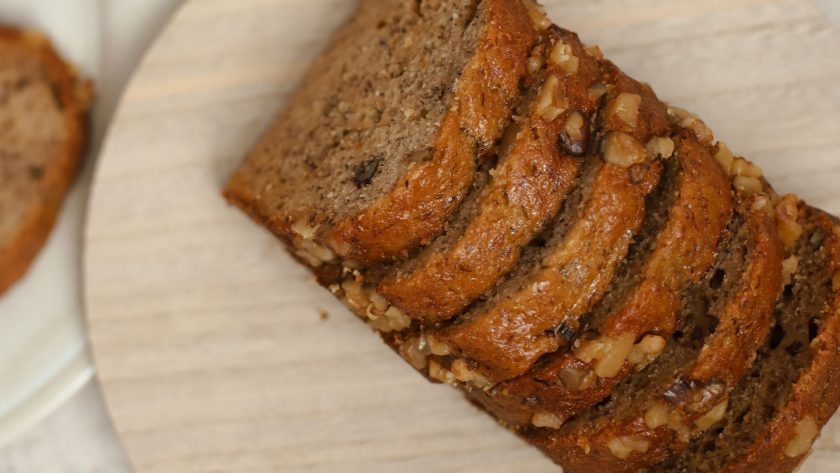
Sourdough cinnamon walnut banana bread adds ½ cup chopped walnuts to the basic recipe. Toast the walnuts at 350°F for 5-8 minutes before chopping to enhance their flavor and prevent them from becoming soggy in the batter. The nuts complement the sourdough tang beautifully.
Double cinnamon sourdough banana bread features a concentrated cinnamon sugar mixture made with ½ cup granulated sugar and 1 tablespoon ground cinnamon, plus an extra ½ teaspoon cinnamon in the batter. This ratio uses more cinnamon to balance the sourdough tang while ensuring a strong spice flavor.
Sourdough chocolate chip banana bread incorporates ¾ cup mini chocolate chips into the batter. Mini chips distribute more evenly than regular-sized chips, and the sourdough tang provides a nice contrast to the sweet chocolate.
Chocolate sourdough banana bread replaces ¼ cup of the flour with unsweetened cocoa powder and adds ½ teaspoon each of ground cinnamon and nutmeg to the dry ingredients. The sourdough starter’s acidity enhances the chocolate flavor while the warm spices complement both the banana and the chocolate.
Coconut sourdough banana bread incorporates ½ cup sweetened flaked coconut into the batter along with the flour mixture. The coconut adds texture and subtle tropical flavor that complements both the cinnamon and sourdough tang.
Maple sourdough banana bread replaces 2 tablespoons of the brown sugar with pure maple syrup and adds an extra ½ teaspoon of cinnamon to the dry ingredients. The maple syrup creates deeper flavor complexity that works especially well with the sourdough starter’s tanginess.
Storage & Freezing
Room temperature storage in an airtight container keeps sourdough banana bread fresh for about 4 days, longer than regular banana bread, thanks to the natural preservatives in the sourdough starter. Wrap your completely cooled loaf tightly in plastic wrap, then place it in a container or resealable bag.
Refrigerator storage extends freshness to about one week when properly wrapped. Let slices come to room temperature before eating, or warm them briefly in the microwave for a fresh-baked taste.
For freezing, wrap the completely cooled loaf thoroughly in plastic wrap, then transfer to a resealable freezer bag, pressing out as much air as possible. Properly wrapped sourdough banana bread freezes for up to three months. For convenience, wrap individual slices in plastic wrap, then store in a freezer bag for up to 30 days.
Thaw frozen bread overnight in the refrigerator for best texture, or leave wrapped slices at room temperature for about an hour. Reheat individual slices in the microwave for 10-15 seconds, or warm the whole loaf in a 300°F oven for 10 minutes.
You’ve Got This!
Sourdough cinnamon banana bread is about to become your new favorite way to use up those spotted bananas and excess sourdough starter. This recipe works every time, and you can customize it with walnuts, chocolate chips, or that awesome cinnamon swirl.
Just remember the key points: let those bananas get ripe, use active sourdough starter when possible, don’t overmix your batter, and be patient while it cools. Your kitchen’s going to smell incredible, and everyone’s going to want the recipe.
Ready to get baking? Grab those overripe bananas and that sourdough starter sitting in your fridge – you’ll have amazing homemade bread in about an hour. Perfect for breakfast, snacks, or whenever you need something that tastes like comfort food with a sophisticated twist.
FAQs
Is cinnamon good in sourdough banana bread?
Yes, cinnamon is excellent in sourdough banana bread. It adds warm, aromatic spice that complements both the natural sweetness of bananas and the subtle tang of sourdough starter perfectly. Cinnamon enhances the overall flavor without overpowering the banana taste, and it helps balance the sourdough’s acidity. Most bakers use 1-2 teaspoons of ground cinnamon in their recipes.
What is the number one mistake made when making sourdough banana bread?
Overmixing the batter is the biggest mistake, especially with sourdough bread. Once you add flour to wet ingredients, mix just until you can’t see flour streaks. Overmixing develops gluten, creating dense, tough bread instead of tender, moist crumb. The sourdough starter makes the batter more forgiving, but gentle folding with a rubber spatula is still essential.
Can I use sourdough discard instead of active starter?
Yes, you can use sourdough discard, but add an extra ¼ teaspoon baking soda to compensate for the reduced leavening power. Active starter provides better rise and flavor development, but discard still contributes moisture and tang. The bread will be slightly denser but still delicious.
What spices go well with sourdough banana bread?
Cinnamon is the most popular spice for sourdough banana bread, but nutmeg, vanilla extract, and allspice also work beautifully with the sourdough tang. Ginger adds warmth, while cardamom provides exotic flavor. Many bakers combine cinnamon with nutmeg for depth. Start with small amounts – ½ teaspoon nutmeg or ¼ teaspoon ginger – since spices can easily overpower the banana flavor and compete with the sourdough’s subtle complexity.
Sourdough Cinnamon Banana Bread
This spiced bread has become a favorite among home bakers because it’s incredibly forgiving – those overripe bananas you were about to toss are perfect here, and it’s an excellent way to use up excess sourdough starter.
Ingredients
For the Sourdough Banana Bread:
- 3 large overripe bananas (about 1½ cups mashed)
- ⅓ cup melted unsalted butter, cooled slightly
- ¾ cup brown sugar, packed
- 1 large egg, room temperature
- 1 teaspoon vanilla extract
- ½ cup active sourdough starter (fed and bubbly)
- 1 teaspoon baking soda
- Pinch of salt
- 1¼ cups all-purpose flour (reduced to account for flour in starter)
- 1½ teaspoons ground cinnamon
- ⅓ cup sour cream or Greek yogurt
For the Cinnamon Sugar Swirl:
- ½ cup granulated sugar
- 1 tablespoon ground cinnamon
- 2 tablespoons melted butter
For the Optional Vanilla Glaze:
- 1 cup powdered sugar
- 2–3 tablespoons milk
- 1 teaspoon vanilla extract
Instructions
- Set Up Your Baking Station. Preheat oven to 350°F. Grease a 9×5-inch loaf pan and line with parchment paper for easy removal.
- Prepare the Bananas. Use soft, brown-spotted bananas. Mash in a large bowl until chunky – those lumps add texture.
- Mix Wet Ingredients. Add cooled, melted butter, brown sugar, egg, vanilla, and sourdough starter to the bananas. Beat until smooth.
- Make Cinnamon Swirl. Mix granulated sugar and cinnamon in a small bowl.
- Combine Dry Ingredients. Whisk flour, baking soda, salt, and cinnamon together.
- Mix Everything. Fold dry ingredients into the wet mixture, alternating with sour cream. Don’t overmix.
- Layer and Swirl. Pour half the batter in the pan, sprinkle cinnamon sugar, add the remaining batter, and top with more cinnamon sugar. Swirl with a knife.
- Bake for 55-65 minutes until golden and a toothpick comes out clean.
- Cool for 15 minutes in the pan, then remove.
- Glaze (Optional) – whisk powdered sugar, milk, and vanilla. Drizzle over cooled bread.
Notes
Related Articles:
 10 Simple Sourdough Dinner Ideas: Beyond the Basic Loaf
 Delicious Sourdough Rolls From Starter
![Easy recipes using sourdough starter [with step by step guide]](https://www.mydailysourdoughbread.com/wp-content/uploads/2025/05/10-Recipes-Using-Sourdough-Starter-Beyond-Basic-Bread-120x120.jpg "10 Recipes Using Sourdough Starter (Beyond Basic Bread!) 149") 10 Recipes Using Sourdough Starter (Beyond Basic Bread!)
10 Recipes Using Sourdough Starter (Beyond Basic Bread!)
 Sourdough Cinnamon Coffee Cake Recipe: 9 Steps to Irresistible Bakery-Style Results
 Strawberry Cinnamon Rolls Recipe: A Sweet Twist on a Classic Favorite
