Last updated on January 28th, 2026
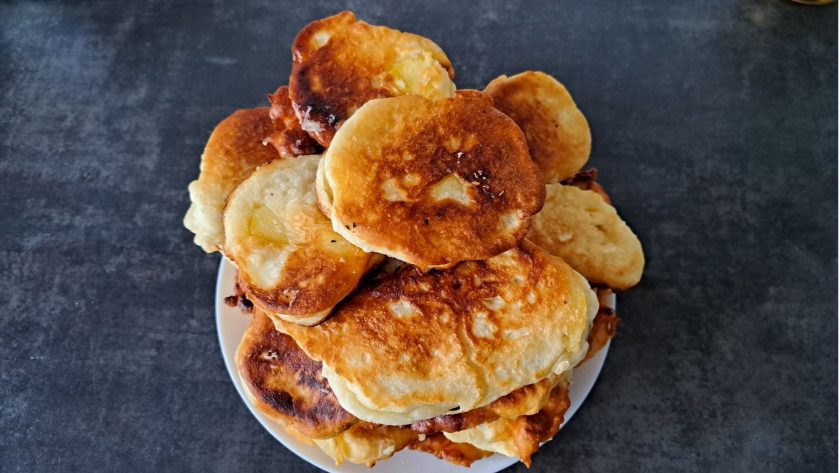
Your sourdough starter discard doesn’t have to end up in the trash. That jar sitting in your fridge is loaded with wild yeast, lactic acid bacteria, and complex flavors that developed over days of fermentation. Fried sourdough starter transforms this “leftover” into crispy, golden bread in about 10 minutes. It’s the ultimate kitchen hack—turning feeding day into something delicious instead of wasteful. With just heat, oil, and your discard, you’ll create a snack that’s way more interesting than regular fried bread. The tangy flavor, that satisfying crunch, and zero waste? That’s what fried sourdough starter is all about.
Why Fry Sourdough Starter?
When you hit that discard with heat, magic happens. The Maillard reaction—a chemical interaction between amino acids and sugars—creates far more complex flavors than simple caramelization. It’s what gives fried foods that irresistible golden-brown appeal and deeply savory taste.
The natural acidity from the lactic acid bacteria adds a dimension you simply can’t get from regular flour-and-water batters. The high heat of a cast-iron skillet creates an incredibly crispy exterior while keeping the inside tender.
It’s basically instant gratification—no overnight rises, no shaping, no complicated timing. You go from jar to plate in about 10 minutes. Instead of tossing out perfectly good fermented flour every time you feed your starter, you’re turning it into a snack that’s actually worth eating. No waiting for proofing, no fussing with hydration percentages—just heat, oil, and that jar of discard you’ve been accumulating all week.
Ingredients
- 1/2 to 2 cups sourdough discard
- 1-2 tablespoons olive oil or avocado oil
- 1/2 to 1 teaspoon salt
- Optional: fresh herbs (rosemary, thyme), grated parmesan, sesame seeds, everything bagel seasoning, or cinnamon and sugar for sweet versions
Related: 4 Easy-to-Prepare Sourdough Fry Bread Recipes
How to Fry Sourdough Starter (Step-by-Step)
- Heat your cast-iron skillet over medium to medium-high heat for a few minutes until it’s properly hot. Add 1-2 tablespoons of oil—enough to generously coat the bottom. You want the oil to shimmer and flow easily across the pan. The ideal temperature for frying is around 350°F, though stovetop frying usually runs slightly lower.
- Check your discard consistency. If it’s too thick and spreadable, thin it out slightly with water until it flows off a spoon but isn’t totally liquid. Cold discard straight from the fridge should come to room temperature for more even cooking.
- Pour or spoon your discard directly into the hot pan. You can go thin for crispy cracker-like results, or a bit thicker for something more substantial. Don’t overthink the shape—rustic and free-form is part of the charm.
- Let it cook undisturbed for about 2-3 minutes. You’ll see the edges start to set and turn golden. The pancake should be golden brown on the fried side before flipping. Use a spatula to check the underside—if it’s deeply golden and releases easily, it’s ready.
- Flip confidently and cook the second side for another 2-3 minutes. Some people like to flip multiple times to ensure the center cooks through while both sides get extra crispy.
- Transfer to a cutting board when both sides are golden, and the middle is cooked through. Let it cool for just a minute so the steam escapes and it stays crispy. Cut into wedges or strips depending on how you plan to serve it.
Flavor Variations
Rosemary & sea salt: press fresh rosemary into the uncooked side right before flipping so it releases its oils into the batter. Finish with flaky sea salt for something that tastes like focaccia’s crispy cousin.
Parmesan & black pepper: grate cheese directly over the hot discard in the pan. It’ll melt into the surface and create incredible crispy bits. Add black pepper and maybe a touch of garlic powder.
Italian herb: mix Italian seasoning into your discard before cooking. Top the finished bread with marinara and melted mozzarella for a pizza-adjacent flatbread.
Sesame scallion: add sesame seeds and chopped scallions to the oil before pouring in the discard. The bread should be golden brown and crispy, coated on both sides with toasted sesame seeds and scallions.
Cinnamon sugar: dust it on while the bread’s still hot so it melts slightly, or coat after, when it’ll stick without dissolving. The contrast between the tangy starter and sweet cinnamon is fantastic.
Honey butter: drizzle honey over warm fried discard and add a pat of butter. The sourdough tang cuts through the sweetness perfectly.
Everything bagel: sprinkle everything bagel seasoning on top before flipping for a savory breakfast-style option.
Related: How to Reactivate Dehydrated Sourdough Starter
Serving Ideas
Sour cream mixed with fresh herbs makes a simple dip that complements the tang in the bread. Yogurt-garlic-cucumber sauce works beautifully, too. Flavored honey, like hot honey or lavender honey, adds complexity that plays well with the fermented notes.
For more substantial options, hummus or baba ganoush turns fried discard into a proper appetizer. The crispy bread works as a vehicle for just about any spread you’d normally use pita or crackers for.
Cut it into strips and use it to scoop up eggs for breakfast. The texture holds up well against runny yolks. Serve it alongside soup or stew instead of regular bread—it’s especially good with tomato-based soups. Crumble it over salads for homemade croutons.
Use it as a base for open-faced sandwiches topped with smoked salmon and cream cheese, or avocado and a fried egg. You can even top it with taco fixings, shredded lettuce, cheese, and salsa for a fry bread taco situation.
Tips for the Best Sourdough Fried Starter
- Get your starter to room temperature. Cold discard straight from the fridge cooks unevenly and can end up gummy in the middle. Let it sit out for 30 minutes to an hour before frying, or give it a quick stir to loosen it up.
- Check your consistency. Your discard should flow off a spoon but not be totally watery. Think pancake batter consistency. If it’s too thick, add a tablespoon of water at a time until it reaches the right texture. Too thin? It’ll spread everywhere and cook up like a crepe.
- Don’t skimp on the oil. This isn’t the time to go light—you need enough oil to actually fry, not just lightly grease the pan. A generous coating (1-2 tablespoons) ensures that crispy golden crust you’re after.
- Preheat properly. Your skillet needs to be hot before the discard hits it. Give your cast iron a solid 3-5 minutes over medium heat. The oil should shimmer and move easily across the pan when it’s ready.
- Add mix-ins at the right time. If you’re using toppings like herbs, cheese, or seeds, sprinkle them on the uncooked side right before flipping. This gives them a chance to stick and get a bit toasted without burning.
- Keep batches warm. If you’re making multiple pieces, keep finished ones in a 200°F oven while you cook the rest. Just don’t stack them, or they’ll steam and lose their crispiness.
- Use fresh discard when possible. While older discard works, stuff that’s been sitting in your fridge for weeks can be overly sour. Discard that’s no more than a day or two old produces the best flavor, though week-old discard is fine if you balance it with sweeter or savory toppings.
Common Mistakes to Avoid
- Oil is too hot. If your oil’s smoking, it’s way too hot—pull the pan off the heat immediately. You’ll burn the outside before the inside cooks. The ideal temperature is around 350°F.
- Oil is too cool. If the oil isn’t hot enough, the bread will absorb too much oil, resulting in greasy, soggy results. Look for that shimmer before adding your discard.
- Wrong oil choice. Using high smoke point oils like avocado oil prevents leaving any burning flavor or taste. Extra virgin olive oil is best for low to medium-temperature frying, around 325-375°F.
- The batter is too thick. If your discard won’t flow off a spoon, it won’t cook through evenly. You’ll get a golden exterior with a gummy, raw center. Thin it out slightly with water.
- Cold discard. Bringing the discard to room temperature helps it cook more evenly, especially when working with the discard rather than the active starter.
- Flipping too early. Let each side actually cook before flipping. If you’re constantly checking every 30 seconds, you’ll never develop that deep golden color. Trust the process and wait for it to be ready.
Your Discard Just Got Way More Delicious
Fried sourdough starter is hands down the easiest way to use up discard without feeling like you’re making a whole production out of it. You’ve got everything you need: discard, oil, a hot skillet, and about 10 minutes. The Maillard reaction does its thing, creating that crispy golden crust while the tangy flavor shines through. Keep your oil around 350°F, don’t flip too early, and you’re golden—literally. Whether you go savory with rosemary and parmesan or sweet with cinnamon sugar, this is your new go-to for feeding day. So stop tossing that discard and start frying it instead. Your taste buds (and your starter) will thank you.
FAQs
Can sourdough starter be fried?
Absolutely! Sourdough starter (both active and discard) can be fried directly in a hot skillet with oil. The heat creates a crispy, golden exterior while the natural acidity and fermented flavors shine through. It’s one of the quickest ways to use up discard—just pour it into a pan and cook like a pancake until both sides are golden brown.
Is it safe to eat cooked sourdough starter?
Yes, cooked sourdough starter is completely safe to eat. While you shouldn’t consume raw starter, cooking it thoroughly eliminates any concerns. The heat kills off the live cultures, but all those complex flavors developed during fermentation remain. As long as your starter smells tangy (not rotten) and shows no signs of mold, it’s perfectly fine to fry and enjoy.
Fried Sourdough Starter
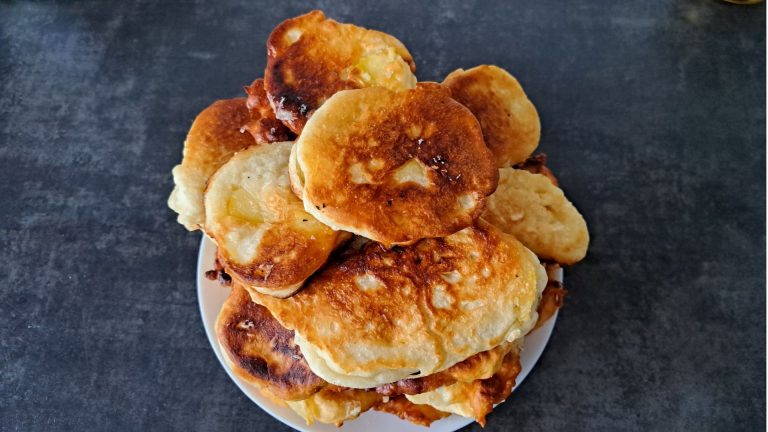
It’s basically instant gratification—no overnight rises, no shaping, no complicated timing. You go from jar to plate in about 10 minutes.
Ingredients
- 1/2 to 2 cups sourdough discard
- 1–2 tablespoons olive oil or avocado oil
- 1/2 to 1 teaspoon salt
- Optional: fresh herbs (rosemary, thyme), grated parmesan, sesame seeds, everything bagel seasoning, or cinnamon and sugar for sweet versions
Instructions
- Heat your cast-iron skillet over medium to medium-high heat for a few minutes until it’s properly hot. Add 1-2 tablespoons of oil—enough to generously coat the bottom. You want the oil to shimmer and flow easily across the pan. The ideal temperature for frying is around 350°F, though stovetop frying usually runs slightly lower.
- Check your discard consistency. If it’s too thick and spreadable, thin it out slightly with water until it flows off a spoon but isn’t totally liquid. Cold discard straight from the fridge should come to room temperature for more even cooking.
- Pour or spoon your discard directly into the hot pan. You can go thin for crispy cracker-like results, or a bit thicker for something more substantial. Don’t overthink the shape—rustic and free-form is part of the charm.
- Let it cook undisturbed for about 2-3 minutes. You’ll see the edges start to set and turn golden. The pancake should be golden brown on the fried side before flipping. Use a spatula to check the underside—if it’s deeply golden and releases easily, it’s ready.
- Flip confidently and cook the second side for another 2-3 minutes. Some people like to flip multiple times to ensure the center cooks through while both sides get extra crispy.
- Transfer to a cutting board when both sides are golden and the middle is cooked through. Let it cool for just a minute so the steam escapes and it stays crispy. Cut into wedges or strips depending on how you plan to serve it.
Notes
Get your starter to room temperature. Cold discard straight from the fridge cooks unevenly and can end up gummy in the middle. Let it sit out for 30 minutes to an hour before frying, or give it a quick stir to loosen it up.
Related Articles:
 10 Simple Sourdough Dinner Ideas: Beyond the Basic Loaf
 Delicious Sourdough Rolls From Starter
![Easy recipes using sourdough starter [with step by step guide]](https://www.mydailysourdoughbread.com/wp-content/uploads/2025/05/10-Recipes-Using-Sourdough-Starter-Beyond-Basic-Bread-120x120.jpg "10 Recipes Using Sourdough Starter (Beyond Basic Bread!) 62") 10 Recipes Using Sourdough Starter (Beyond Basic Bread!)
10 Recipes Using Sourdough Starter (Beyond Basic Bread!)
 Sourdough Cinnamon Coffee Cake Recipe: 9 Steps to Irresistible Bakery-Style Results
 Strawberry Cinnamon Rolls Recipe: A Sweet Twist on a Classic Favorite
