
Last updated on July 29th, 2026
If you bake sourdough bread regularly, chances are you’ve got a jar of discard sitting in the fridge right now, and you’re not quite sure what to do with it. Most of us either pour it down the drain or scroll past yet another sourdough pancake recipe. Good news: discard makes really good cookies, and honestly, it might be the easiest way to use it up!
This is a base cookie dough, the kind of recipe you can dress up however you like. Add chocolate chips, nuts, dried fruit, spices, or whatever you’re in the mood for.
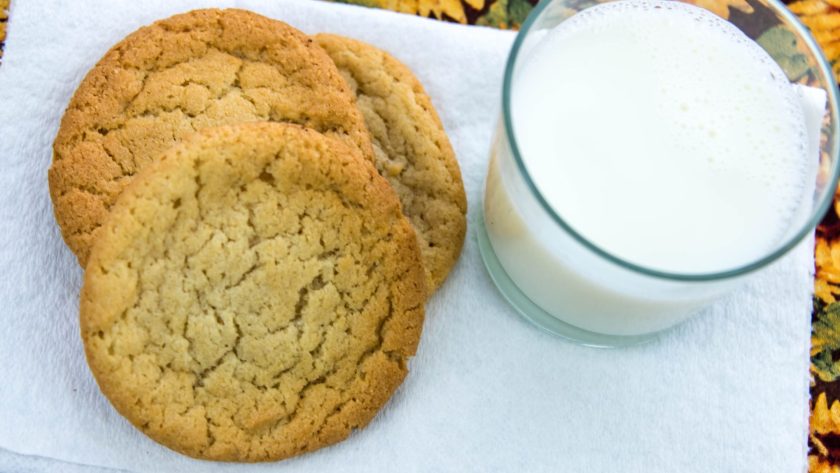
What Does Sourdough Discard Actually Do for Cookies?
Discard isn’t just there to use up extra starter. It actually makes a real difference in how your cookies taste and feel:
- Flavor: Fermentation creates lactic and acetic acid, which give cookies a little tang and a richer, more complex sweetness. There’s also glutamic acid, a natural byproduct of fermentation, that rounds everything out nicely.
- Texture: Those same acids soften the gluten a touch, so you end up with a chewier, more tender cookie.
- Less waste: If you feed a starter regularly, you’re probably tossing discard every few days anyway. This is a nice, easy way to put it to good use instead.
One thing worth knowing: this recipe calls for discard, not active starter. Your discard doesn’t need to be bubbly or recently fed, so don’t worry if it’s been sitting in the fridge for a bit. These cookies get their rise from baking soda, not fermentation, so a flat, quiet discard works just fine. It’s also more predictable than active starter, since it won’t add any surprise lift or spread.
Some find sourdough cookies a little easier on the stomach, since fermentation partially breaks down starches in the flour. Just keep in mind that baking kills off any live cultures, so don’t expect probiotic benefits here, just a tastier cookie.
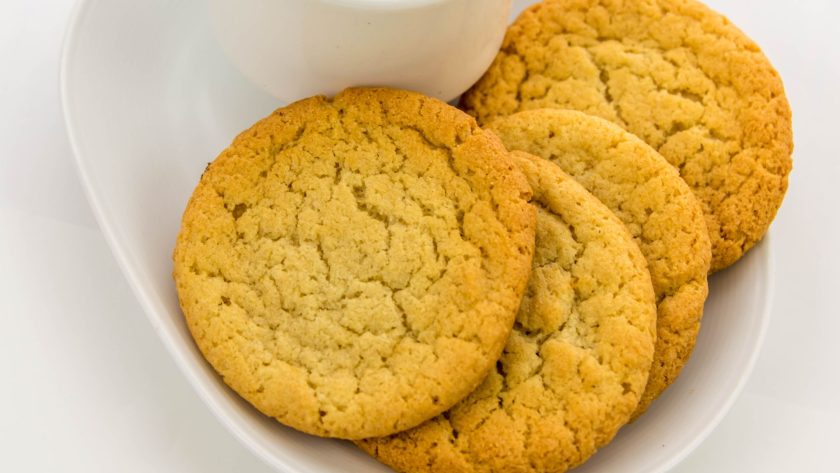
A Few Sourdough Cookie Styles Worth Trying
Discard plays well with pretty much any cookie, but here are a few combinations that work especially well:
| Cookie Type | What Sourdough Adds |
|---|---|
| Chocolate chip | Tang balances the sweetness of the chocolate, especially with brown butter |
| Snickerdoodle | Boosts the tang already there from cream of tartar |
| Sugar cookie | Keeps the flavor from going flat or one-note under glaze |
| Oatmeal raisin | Softens the oats slightly during the chill, adding chew |
| Shortbread | Adds a subtle edge to an otherwise very rich, buttery cookie |
Fold mix-ins in gently at the end so you don’t overwork the dough.
Related: Sourdough Molasses Cookies Recipe
Sourdough Cookies
Makes: about 24 cookies
Prep time: 15 minutes, plus at least 30 minutes chilling
Bake time: 10-12 minutes per batch
Ingredients
| Ingredient | Amount |
|---|---|
| Unsalted butter, room temperature | 1 cup (2 sticks / 226g) |
| Granulated sugar | ¾ cup (150g) |
| Brown sugar, packed | ¾ cup (165g) |
| Large eggs | 2 |
| Vanilla extract | 1 teaspoon |
| Sourdough discard | ½ cup (about 120g) |
| All-purpose flour | 2¼ cups (about 280g) |
| Baking soda | 1 teaspoon |
| Fine sea salt | 1 teaspoon |
Quick tip before you dive in: weighing your flour really does make a difference here.
A cup of flour can weigh anywhere from 120g to 170g depending on how it’s scooped, and that difference is enough to take you from a soft cookie to a dry, crumbly one.
For 2¼ cups of all-purpose flour, aim for somewhere in the 270-285g range, with 280g being a great target if you’re using the standard “spoon and level” method.
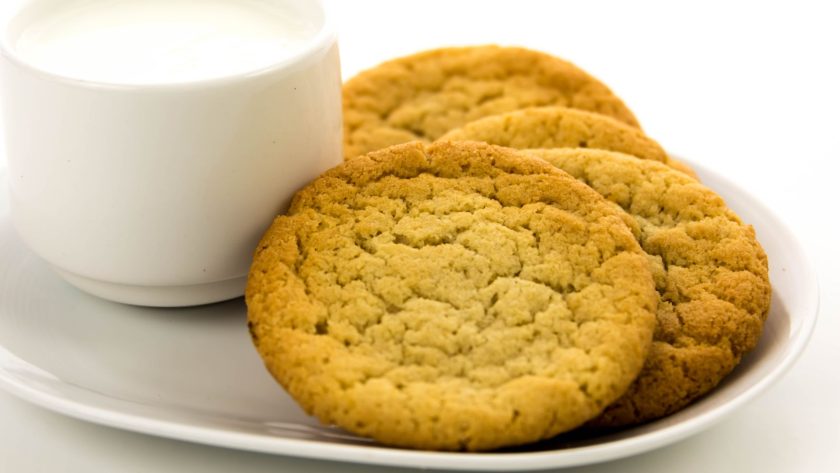
How to Make
- Cream the butter and sugars. In a stand mixer with the paddle attachment, beat the butter, granulated sugar, and brown sugar on medium-high for 2-3 minutes, until pale and fluffy. Give the bowl a scrape halfway through. This step is what builds those little air pockets that give the cookies their structure, so let it run the full time.
- Mix in the wet ingredients. With the mixer on low, add the eggs one at a time, making sure each one is fully mixed in before adding the next. Then add the vanilla and sourdough discard. The dough might look a little curdled or separated at this point. Don’t worry, that’s totally normal and it’ll smooth right out once the flour goes in.
- Combine the dry ingredients separately. In a medium bowl, whisk together the flour, baking soda, and salt. Doing this separately keeps the baking soda from clumping and helps it react evenly with the acids in the discard once everything comes together.
- Bring it all together. With the mixer on low, gradually add the flour mixture to the wet ingredients. Mix just until no dry streaks remain. Try not to overdo it here, since too much mixing builds extra gluten and can leave you with tougher cookies.
- Add your mix-ins (optional). Switch to a rubber spatula and gently fold in whatever you’re adding, from the ideas above or your own combination. If you’re keeping it simple, you can skip this step entirely and bake the dough as is for a soft, lightly tangy cookie.
- Chill the dough. Cover and refrigerate for at least 30 minutes, though overnight gives you even better flavor if you have the time. Chilling firms up the butter, keeps the cookies from spreading too much, and gives the discard a chance to work its magic through the dough.
- Preheat and portion. Heat the oven to 375°F (190°C) and line a baking sheet with parchment. Scoop the dough into balls about 2 tablespoons each, spacing them roughly 2 inches apart.
- Bake. Bake for 10-12 minutes, until the edges turn golden but the centers still look a little underdone. Go ahead and pull them out at this point. They’ll continue to firm up as they cool on the hot pan. Let them rest on the sheet for 5 minutes before moving them to a wire rack.
Recipe Tips for Better Results
- Chill longer if you can. Anywhere from 30 minutes to 72 hours works well, and the longer you go, the less the cookies spread and the deeper the flavor gets.
- Use properly softened butter. Not melted, not fridge-cold. It should hold a dent when you press it, but shouldn’t feel greasy.
- Pay attention to your discard’s consistency. A thinner, more liquid discard adds extra moisture and can make cookies spread more, while a stiffer discard does the opposite. If yours is on the thin side, lean toward the longer end of the chill time.
- Try not to overbake. Cookies that look a touch underdone in the center when you pull them out will keep cooking on the pan and turn out perfectly set once cool.
- A cookie scoop helps a lot. Keeping the dough balls consistent means everything bakes at the same rate, so you won’t end up with some cookies done early while others are still pale.
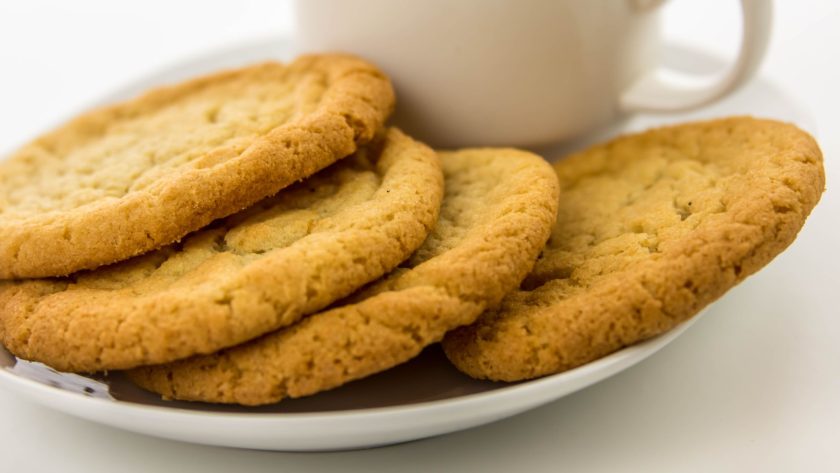
Storing and Freezing Your Cookies
At room temperature: These cookies stay good for up to 5 days in an airtight container. The acidity from the discard acts as a mild natural preservative, so they tend to hold up a little better than standard cookies.
In the freezer (baked): Let them cool completely, freeze in a single layer until solid, then transfer to a freezer bag. They’ll keep for up to 3 months. When you’re ready, thaw at room temperature or warm in a 300°F oven for about 5 minutes.
In the freezer (raw dough): This is the option to go for if you like having fresh cookies whenever the mood strikes. Scoop the dough into balls, freeze until solid, then bag them up with the date and bake temperature noted. Bake straight from frozen, adding 2-3 minutes to the bake time. They taste just as good as fresh-baked.
Related: Sourdough Chocolate Chip Cookies
Your New Favorite Cookie Recipe Starts With Sourdough
Once you’ve got this base dough down, it’s yours to play with however you like, so don’t be afraid to experiment until you find your favorite version. If you give it a try, let us know how it turns out in the comments below.
FAQs
Can I use sourdough to make cookies?
Absolutely and it’s one of the best things you can do with your discard. Sourdough starter adds a subtle tang, improves chew, and deepens the overall flavor of cookies in a way that regular recipes just can’t replicate. Both active starter and discard work well, though discard is more predictable and the go-to choice for most cookie recipes.
Can I eat raw sourdough cookie dough?
It’s best to avoid eating raw cookie dough, sourdough, or otherwise. Raw eggs carry a risk of salmonella, and raw flour can harbor harmful bacteria like E. coli. The sourdough fermentation process doesn’t eliminate these risks. If you want to snack on dough safely, use heat-treated flour and swap the eggs for a safe alternative like pasteurized egg products.
Does the discard need to be active or fed recently?
Nope. This recipe gets its rise from baking soda, so discard straight from the fridge, even if it’s been sitting for a week or two, works just fine.
Can I use this as a base for other cookie flavors?
Yes, that’s exactly what it’s designed for. Once you’ve got the basic dough down, you can fold in nuts, dried fruit, spices, or different kinds of chips to make it your own.
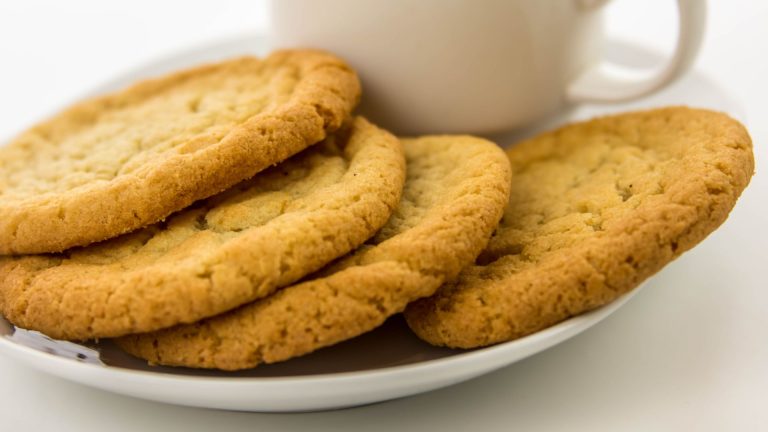
Sourdough Discard Cookies
One thing worth knowing: this recipe calls for discard, not active starter. Your discard doesn’t need to be bubbly or recently fed, so don’t worry if it’s been sitting in the fridge for a bit.
Ingredients
| Ingredient | Amount |
|---|---|
| Unsalted butter, room temperature | 1 cup (2 sticks / 226g) |
| Granulated sugar | ¾ cup (150g) |
| Brown sugar, packed | ¾ cup (165g) |
| Large eggs | 2 |
| Vanilla extract | 1 teaspoon |
| Sourdough discard | ½ cup (about 120g) |
| All-purpose flour | 2¼ cups (about 280g) |
| Baking soda | 1 teaspoon |
| Fine sea salt | 1 teaspoon |
Instructions
- Cream butter and sugars: Beat butter, granulated sugar, and brown sugar until pale and fluffy, 2–3 minutes.
- Mix in wet ingredients: Add eggs one at a time, then vanilla and sourdough discard — the dough may look curdled, which is normal.
- Combine dry ingredients: Whisk together flour, baking soda, and salt separately.
- Bring it together: Gradually add the flour mixture to the wet ingredients, mixing just until no dry streaks remain.
- Add mix-ins (optional): Fold in any add-ins with a spatula, or skip for a simple cookie.
- Chill: Refrigerate at least 30 minutes, or overnight for better flavor.
- Preheat and portion: Heat oven to 375°F and scoop dough into 2-tablespoon balls, spaced 2 inches apart.
- Bake: Bake 10–12 minutes until edges are golden; cool on the sheet 5 minutes before transferring.
Notes
Chill longer if you can. Anywhere from 30 minutes to 72 hours works well, and the longer you go, the less the cookies spread and the deeper the flavor gets.





I agree that weighing flour makes the best dough! But you don’t give any weight measurements in your recipe. Can you tell me how much 2.25 cups of flour will weigh in grams? Google says between 270 and 281g.
Recipe updated!
If you want to be exact, 275g is a good middle-ground number, but anything in that 270-281g window will work well.