
Most sweet breads are forgettable. Sourdough dessert bread is anything but. Sweet doughs are unforgiving — sugar slows fermentation, enriched doughs behave differently, and the usual sourdough rules don’t always apply. Getting it right takes knowing why each step matters.
That’s exactly what you’ll find here. Whether it’s your first sweet sourdough or your tenth, there’s something in here worth taking back to your kitchen.
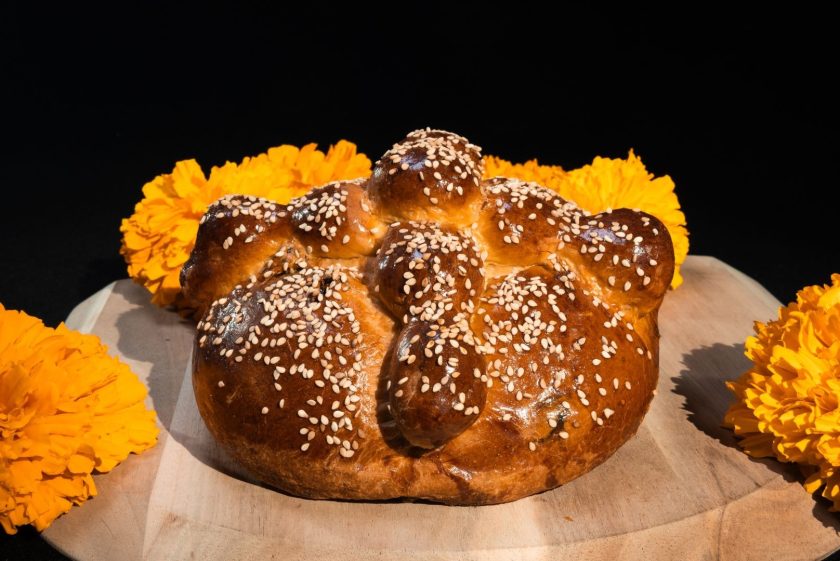
The Case for Sourdough Dessert Bread
Sourdough dessert bread combines naturally leavened baking with sweetness. Built on a wild yeast sourdough starter rather than commercial yeast, these loaves carry a tangy depth that standard sweet breads simply don’t have.
What sets sweet sourdough recipes apart is the lactic acid bacteria inside the starter. During fermentation, those organisms produce organic acids that balance sweetness and add flavor complexity to the finished loaf — rich and indulgent, but with genuine character.
There’s a practical reason home bakers are drawn to sourdough dessert bread too. The long fermentation process breaks down some of the gluten and phytic acid, making it easier to digest than typical baked goods. It’s a style of artisan baking that delivers on both flavor and function.
Understanding Your Sourdough Starter for Sweet Baking
The biggest thing to understand about sweet sourdough is that sugar slows fermentation down. At higher concentrations, sugar pulls moisture away from yeast cells through osmosis, making them sluggish. A bulk fermentation that takes 4–5 hours in a standard loaf could stretch to 8–10 hours in an enriched sweet dough — that’s not a mistake, it’s just how it works.
To give yourself the best shot at a strong rise, use a bubbly, active starter that’s been fed 8–12 hours before mixing. You want it at or just before its peak — that’s when wild yeast activity is highest and most vigorous. A past-peak starter will struggle even more in a sugar-heavy environment.
For hydration, a 100% hydration starter works as a solid baseline. Some bakers prefer a slightly stiffer levain around 65–75% hydration for enriched doughs, as it tends to produce a more predictable rise. Bread flour is the best choice for maintaining your starter — its higher protein content supports gluten development and holds up well under sweet dough conditions.
Key points to remember:
- Sugar slows yeast activity — always build in extra fermentation time
- Feed your starter 8–12 hours before mixing, and use it at peak
- A 100% hydration starter works well; stiffer levains (65–75%) offer more control
- Bread flour gives the most consistent results for sweet sourdough starters
Popular Types of Sourdough Dessert Bread
Sweet sourdough bread varieties are some of the most exciting things you can make with a starter. Each one brings something different to the table, and all of them benefit from that signature fermented depth:
- Cinnamon swirl sourdough — A buttery, sweet dough rolled around a cinnamon-sugar filling that caramelizes at the edges during baking. Essentially a cinnamon roll in loaf form.
- Chocolate sourdough — Cocoa powder is worked directly into the dough for a deep, brownie-dark crumb. The starter’s tang plays beautifully against dark chocolate chips or chunks.
- Sourdough banana bread — Swapping in starter for baking soda mellows the banana’s sweetness and adds a subtle tang that keeps the loaf from tasting flat. A great use for overripe bananas and fridge-cold discard at the same time.
- Sourdough brioche — High in butter and eggs, this is the most labor-intensive variety but the most rewarding. Long cold fermentation builds flavor that commercial yeast brioche simply can’t match.
- Cranberry walnut loaf — Sits right on the line between sweet and savory. The tart cranberries echo the starter’s tang, while walnuts add crunch and earthiness to keep things balanced.
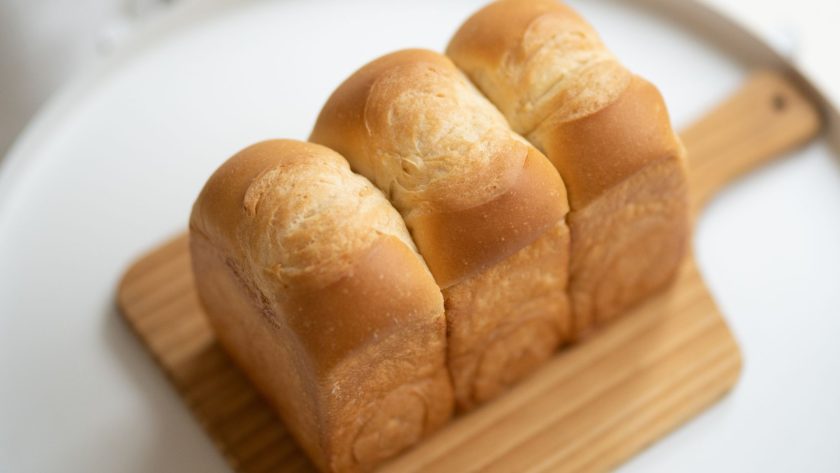
Step-by-Step Sourdough Dessert Bread Recipe
Before you start, gather your tools: a Dutch oven or loaf pan, a kitchen scale, a bench scraper, and a banneton if you’re going for a round shape. Always measure by weight — sweet doughs don’t forgive imprecise measurements.
- Autolyse (30–45 min): Combine bread flour, eggs, milk, and a portion of your sweetener. Let it rest without mixing further. This gives the flour time to fully hydrate and begin gluten development before fat is introduced.
- Mix in starter and salt: After autolyse, add your active sourdough starter and salt. Mix until incorporated.
- Add butter slowly: Add softened butter one tablespoon at a time, fully incorporating each addition before adding more. The dough will look shaggy before it comes together — keep going.
- Bulk fermentation (6–12 hours): Cover and ferment at room temperature. Perform stretch-and-fold sets every 30–45 minutes during the first two hours. Look for a puffy, jiggly dough with visible surface bubbles — not necessarily doubled in size.
- Shape: Turn the dough onto a lightly floured surface. Shape into a boule for Dutch oven baking, or a log for a loaf pan.
- Cold proof overnight: Place shaped dough in a floured banneton or buttered pan, cover, and refrigerate overnight. This develops flavor and makes the dough easier to score.
- Preheat and bake: Preheat your oven to 375–400°F with the Dutch oven inside. Bake covered for 20 minutes, then uncover and continue baking until done. Sweet doughs brown fast — tent with foil if the crust is darkening before the interior sets.
- Check for doneness: Pull the loaf at an internal temperature of 190–195°F. Let it cool for at least one hour before slicing so the crumb can finish setting.
Total active time: ~1 hour | Total elapsed time: 14–20 hours (including cold proof)
More recipes: The Only Dessert Bread Recipes You’ll Ever Need
Flavor Variations and Add-Ins
Once you’ve got a solid base dough, the creative possibilities are genuinely wide open. Here’s what works best:
- Chocolate chips — Dark chocolate chips are the easiest starting point. Their slight bitterness balances the dough’s sweetness, and they melt into gooey pockets throughout the crumb.
- Nuts — Walnuts and pecans add crunch and toasty richness. Toast them in a dry skillet before adding for noticeably deeper flavor.
- Dried fruit — Raisins, dried cherries, chopped apricots, or golden raisins all work well. Soak them in orange juice or bourbon beforehand to plump them up and carry more flavor into the loaf.
- Swirl fillings — Beyond cinnamon-sugar, try a cream cheese and lemon zest filling or a brown sugar cardamom paste. Chill any filling before rolling for cleaner layers.
- Glazes — A simple powdered sugar glaze adds sweetness without overpowering the sourdough character. A honey glaze brushed on fresh out of the oven gives the crust a beautiful sheen.
- Citrus zest and spices — Orange or lemon zest adds brightness and cuts through richness. Cardamom, nutmeg, and allspice all work well in sweet sourdough — start small with cardamom, it’s potent.
Fermentation, Timing, and Troubleshooting
Sugar competes with yeast for water through osmotic pressure. The more sugar in your dough, the more the yeast activity slows. This is expected — build in more time than you would for a standard sourdough, and don’t try to rush it by adding extra starter.
How to tell when your dough is ready: Look for a dome that’s rounded and slightly jiggly, visible bubble activity on the sides of the container, and dough that feels noticeably lighter and airier than when you started. For proofing, use the poke test — press a floured finger gently into the dough. Slow, partial spring-back means it’s ready. Immediate spring-back means it needs more time. No spring-back at all means it’s over-proofed.
Common problems and fixes:
- Dense crumb: Almost always under-fermentation. Sweet doughs need more time. Give it another hour or two before making any other changes.
- Gummy interior: The loaf is underbaked. Sweet doughs can look done on the outside while the interior is still underdone. Always use an instant-read thermometer and pull at 190–195°F.
- Over-proofed dough: If caught before baking, reshape and give it a shorter secondary proof. If it’s too far gone, the gluten structure will be compromised, and the loaf will bake flat.
- Crust browns too fast: Tent with aluminum foil for the last 15–20 minutes. Sugar and dairy accelerate browning significantly compared to lean sourdough.
Related: Honey Sourdough Bread
Serving, Storing, and Pairing
Let sweet sourdough cool for at least an hour before slicing — the crumb needs time to finish setting. Once it’s ready, a thick slice with honey butter is the classic move. For something more indulgent, try it toasted with cream cheese and a drizzle of honey, or use day-old slices for French toast. The tang in the bread contrasts beautifully with the sweet custard and maple syrup.
At room temperature, most sweet sourdough loaves stay fresh for 2–3 days wrapped in beeswax wrap or a reusable bread bag. Skip the fridge — refrigeration accelerates staling. For longer storage, slice the loaf, freeze slices individually on a parchment-lined sheet, then transfer to a freezer bag. Toast straight from frozen.
For pairings, strong drip coffee or espresso is the natural match — bitterness cuts through richness and highlights the fermentation character. A chai or floral black tea works well with spiced loaves. For a dessert-style serving, a late-harvest Riesling or dry sparkling wine is a surprisingly elegant match.
Key points to remember:
- Always cool for at least 1 hour before slicing
- Room temp storage (2–3 days) in beeswax wrap is ideal — avoid the fridge
- Freeze sliced for best long-term storage; toast straight from frozen
- Coffee, espresso, or chai are the go-to drink pairings
- Cream cheese, honey butter, and jam are the classic spreads
Sourdough Dessert Bread: Where Tangy Meets Sweet
Sourdough dessert bread is exactly what it sounds like — sweet, indulgent loaves leavened with a wild yeast starter instead of commercial yeast. That swap is what makes all the difference.
The lactic acid bacteria inside your starter produce organic acids during fermentation, adding a flavor complexity that standard sweet breads just can’t replicate. The result is a rich loaf without being one-note.
There’s a practical upside, too. The long fermentation breaks down some of the gluten and phytic acid, making sourdough dessert bread easier to digest than most baked goods. Whether you’re a seasoned sourdough baker looking for your next project or a total beginner, this is one rabbit hole worth going down.
FAQs
What dessert can I make with sourdough?
Sourdough starter works in a wide range of desserts. Popular options include cinnamon swirl loaves, chocolate sourdough bread, banana bread, brioche, and fruit-studded loaves with cranberries or raisins. You can also use discard in pancakes, waffles, brownies, and cinnamon rolls. The starter adds subtle tang and complexity that makes every dessert more interesting.
Can sourdough bread be sweet?
Yes — and it’s genuinely delicious. Sweet sourdough bread is made with an enriched dough that includes ingredients like butter, eggs, sugar, and milk. The wild yeast starter still leavens the loaf naturally, while the fermentation process adds a mild tang that balances the sweetness and creates a more complex flavor than standard sweet breads.
Related Articles:
 7 Lavash Bread Recipes to Master This Ancient Flatbread at Home
 How to Make Quinoa Sourdough Bread (Plus Why You’ll Love It)
 5 Amazing Bread Machine Recipes for Perfect Homemade Loaves
 5 Homemade Bread Recipes You Can Make That Never Fail
 Parmesan Garlic Artisan Bread: Master This Amazing Homemade Recipe Guide
