Last updated on January 28th, 2026
Honey sourdough bread takes everything you love about traditional sourdough and makes it even better. Adding honey isn’t just about sweetness—it’s a total game-changer that transforms fermentation speed, crumb texture, and shelf life in ways that’ll blow your mind. This simple ingredient creates a softer, more tender interior while giving you that stunning golden crust and perfect sweet-tangy balance that makes every slice irresistible. You’re about to discover exactly how honey works its magic in sourdough, from speeding up fermentation to keeping your loaf fresh for days. Get ready to bake bread that’s approachable, delicious, and honestly just better than anything you’ll find at the store.
What Makes Honey Sourdough Different?
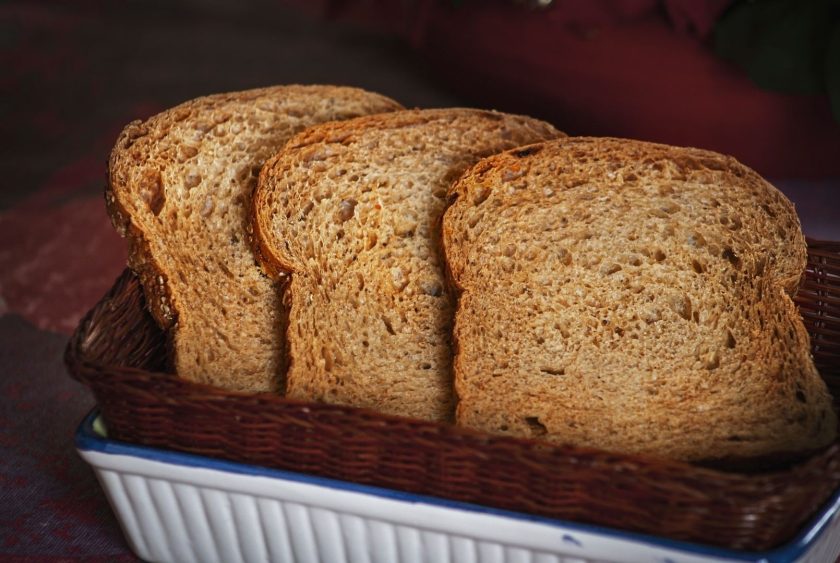
Think of honey as the friendly neighbor who shows up at your sourdough’s door with a casserole. While traditional sourdough relies solely on wild yeast and bacteria working through the starches in flour, honey sourdough gets a little extra help from the simple sugars that honey brings to the party. When you add honey to your dough, you’re giving your wild yeast a buffet of fructose and glucose that’s ready to eat right away. Fermentation happens faster than usual, so your dough might puff up quicker than you’re used to. The real magic shows up in both flavor and texture—honey tempers that signature sour flavor, creating a more approachable balance between sweet and tangy. The crumb? It’s softer than a traditional loaf thanks to honey’s moisture-loving properties.
Benefits of Using Honey in Sourdough
Adding honey to sourdough isn’t just about tweaking flavor—there’s some serious nutritional and functional firepower hiding in that golden drizzle. Sure, honey’s mostly sugar (fructose and glucose), but it contains flavonoids and phenolic acids, which act as antioxidants, along with trace amounts of vitamins and minerals like calcium, iron, and B vitamins. The enzymes in honey aid in breaking down starches into simpler sugars, thereby fueling the growth of the microbial community, giving your fermentation a gentle, consistent push. Here’s where honey really earns its keep: honey actually draws in and retains water, which means your bread stays fresher longer. Honey slows down starch retrogradation significantly, keeping your loaf tender for days instead of hours. Plus, honey’s naturally acidic enough to discourage mold growth without tasting sour, giving you extended shelf life without weird preservatives.
Related: Lemon Blueberry Sourdough Bread
Ingredients
- 500g bread flour (12-13% protein)
- 100g active sourdough starter
- 325g water
- 50g raw honey
- 10g salt
Raw, unfiltered honey brings enzymes and complex flavor, while bread flour provides the gluten structure for a beautiful rise.
Basic Honey Sourdough Recipe
Making honey sourdough follows a straightforward process that rewards patience and attention. Here’s how it comes together:
- Mix starter, water, and honey – Combine your active sourdough starter with water and honey until well blended. The honey dissolves easily into the water, creating a sweet base for your dough.
- Add flour and salt – Mix in your bread flour and salt until you’ve got a shaggy, rough-looking dough. Don’t worry about perfection at this stage.
- Autolyse – Cover and let the dough rest for 30-60 minutes. This period lets the flour fully hydrate and starts gluten development before you’ve even begun working it.
- Perform stretch and folds – Over the next few hours, do 2-4 sets of stretch-and-folds spaced 30 minutes apart. This builds strength and structure in your dough without heavy kneading.
- Bulk fermentation – Let the dough rise until roughly doubled in size, which might take 4-8 hours depending on kitchen temperature. Watch the dough, not the clock—with honey in the mix, fermentation can happen faster than expected. Look for a puffy, airy dough with visible bubbles.
- Shape – Turn out your dough and shape it into a round or oval, then place it in a floured banneton or bowl.
- Cold proof – Refrigerate for 12-15 hours for the best flavor development and easier scoring. The cold slows down the accelerated fermentation in the honey.
- Bake – Preheat your Dutch oven to 500°F for an hour. Score your cold dough, then bake covered at 450-500°F for 20-25 minutes. Remove the lid and continue for 15-20 minutes until deeply golden and hollow-sounding when tapped.
Baking Tips for Best Results
A few insider tricks can take your honey sourdough from good to absolutely stellar.
- Adjust hydration carefully – Honey is a liquid, which affects your dough’s hydration level. If you’re converting a regular sourdough recipe, remember that 50 grams of honey equals about 50 grams of liquid. Start conservative—you might need to reduce water slightly or increase flour to compensate.
- Create steam for oven spring – For that dramatic rise and beautiful ear when you score, you need steam. Baking in a covered Dutch oven creates its own steamy environment, which is why it’s the gold standard. The steam keeps the crust soft initially, allowing the bread to expand fully before the crust sets.
- Score with confidence – Use a sharp blade (a lame or razor blade works best) held at about a 30-degree angle to the dough. Make one confident slash rather than multiple hesitant ones. Because honey sourdough ferments faster, the dough can be a bit softer and stickier, so dust it generously with flour before scoring.
- Watch fermentation closely – Since honey speeds up the process, keep a closer eye on bulk fermentation and proofing times. Your dough might be ready earlier than traditional sourdough recipes suggest.
Storage & Shelf Life
One of honey sourdough’s superpowers is how long it stays fresh compared to other breads. Thanks to honey’s hygroscopic properties (its ability to attract and hold moisture), your loaf will stay tender and delicious for 4-5 days or even longer when stored properly. Honey interferes with starch retrogradation—the process where starch molecules realign and crystallize, making bread go stale. The result? Bread that tastes fresh days after baking without any preservatives.
For optimal freshness, wrap your cooled loaf in a clean kitchen towel or keep it cut-side down on a cutting board. Avoid plastic bags as they trap too much moisture and make the crust soggy. If you’ve made more than you can eat in a week, honey sourdough freezes beautifully. Slice it first, then wrap tightly in plastic wrap and foil before freezing. Pull out individual slices as needed and toast them straight from frozen—properly frozen, it’ll keep for 2-3 months without any noticeable loss in quality.
Related: Parmesan Garlic Artisan Bread
Serving Suggestions
Honey sourdough bread is crazy versatile and works beautifully in just about any situation you can think of. The sweet-tangy balance and soft crumb make it perfect for everything from simple breakfast toast to show-stopping dinner sides. Here are some of my favorite ways to enjoy it:
- Classic buttered toast – toast up a thick slice and slather it with butter for an unbeatable combo that’s perfect any time of day
- Avocado toast – the soft crumb holds up perfectly under a generous mash of avocado and your favorite toppings
- Ultimate sandwiches – the tender crumb won’t fall apart under fillings, making it ideal for everything from turkey and cranberry to grilled cheese that gets extra crispy and caramelized
- Breakfast spreads – try it with cream cheese and fresh berries, or go savory with hummus and sliced vegetables
- French toast – this bread soaks up the egg mixture beautifully without getting soggy and creates an incredible caramelized exterior
- Cheese boards – slice thin, toast until crispy, and use as crostini for bruschetta, goat cheese and honey drizzle, or prosciutto and fig jam
- Homemade croutons – cut into cubes and toast for croutons that’ll transform any salad
- Bread pudding – use slightly stale honey sourdough to make an incredible dessert that’ll have everyone asking for seconds
The slight sweetness pairs amazingly well with both savory and sweet toppings, making honey sourdough your go-to bread for pretty much everything.
Time to Get Baking!
Honey sourdough bread takes regular sourdough and makes it way more chill and tasty. You’ve got the whole playbook now—how honey kicks fermentation into gear, softens up that crumb, and nails the sweet-tangy vibe without going overboard on the sour. Plus, you’re getting actual nutritional benefits like antioxidants and bread that stays fresh for days without any sketchy preservatives. That gorgeous golden crust happens because honey’s sugars go crazy with the Maillard reaction. With just five ingredients and a few simple tweaks to the basic process, you’re totally set to make bakery-level bread at home. Keep an eye on your dough since it rises faster, get some good steam going, and you’ll be golden. So what are you waiting for? Fire up that oven and get ready for your kitchen to smell incredible—trust me, that first slice is gonna be worth it.
FAQs
What does adding honey to sourdough bread do?
Adding honey to sourdough bread speeds up fermentation since the wild yeast can immediately consume the simple sugars in honey. It creates a softer, more tender crumb while mellowing out the tangy sourdough flavor for a better sweet-sour balance. Honey also helps your bread stay fresh longer by retaining moisture and produces a deeper golden-brown crust thanks to enhanced caramelization during baking.
Can you replace sugar with honey in sourdough?
Yes, you can totally replace sugar with honey in sourdough recipes. Just remember that honey is a liquid, so you’ll need to adjust your hydration—reduce the water by about the same amount of honey you’re adding, or increase your flour slightly. Honey also speeds up fermentation compared to sugar, so keep a closer eye on your dough during bulk rise and proofing.
Honey Sourdough Bread
While traditional sourdough relies solely on wild yeast and bacteria working through the starches in flour, honey sourdough gets a little extra help from the simple sugars that honey brings to the party.
Ingredients
- 500g bread flour (12-13% protein)
- 100g active sourdough starter
- 325g water
- 50g raw honey
- 10g salt
Instructions
- Mix starter, water, and honey – Combine your active sourdough starter with water and honey until well blended. The honey dissolves easily into the water, creating a sweet base for your dough.
- Add flour and salt – Mix in your bread flour and salt until you’ve got a shaggy, rough-looking dough. Don’t worry about perfection at this stage.
- Autolyse – Cover and let the dough rest for 30-60 minutes. This period lets the flour fully hydrate and starts gluten development before you’ve even begun working it.
- Perform stretch and folds – Over the next few hours, do 2-4 sets of stretch-and-folds spaced 30 minutes apart. This builds strength and structure in your dough without heavy kneading.
- Bulk fermentation – Let the dough rise until roughly doubled in size, which might take 4-8 hours depending on kitchen temperature. Watch the dough, not the clock—with honey in the mix, fermentation can happen faster than expected. Look for a puffy, airy dough with visible bubbles.
- Shape – Turn out your dough and shape it into a round or oval, then place it in a floured banneton or bowl.
- Cold proof – Refrigerate for 12-15 hours for the best flavor development and easier scoring. The cold slows down the accelerated fermentation in the honey.
- Bake – Preheat your Dutch oven to 500°F for an hour. Score your cold dough, then bake covered at 450-500°F for 20-25 minutes. Remove the lid and continue for 15-20 minutes until deeply golden and hollow-sounding when tapped.
Notes
Adjust hydration carefully – Honey is a liquid, which affects your dough’s hydration level. If you’re converting a regular sourdough recipe, remember that 50 grams of honey equals about 50 grams of liquid. Start conservative—you might need to reduce water slightly or increase flour to compensate.