
Last updated on July 28th, 2026
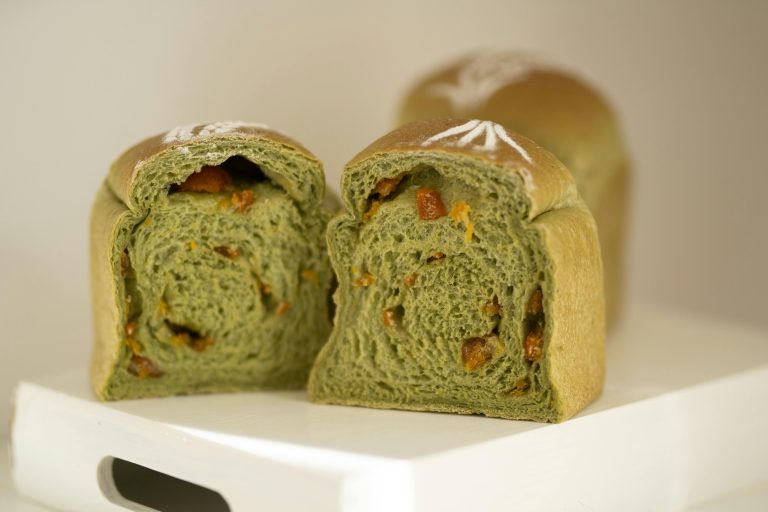
Matcha bread is the loaf that stops people mid-scroll — that electric green crumb is genuinely hard to ignore. It’s rooted in Japanese bakery culture and built around green tea powder ground from shade-grown Camellia sinensis leaves. The flavor? Earthy, subtly sweet, and way more interesting than your average sandwich loaf. Matcha is packed with antioxidants and is known to improve metabolism and boost energy levels Senbird Tea — so every slice is pulling double duty. With matcha bread firmly planted in American café culture right now, baking it at home just makes sense.

What Is Matcha?
Matcha is a finely ground powder made from whole green tea leaves — unlike traditional green tea, where leaves are steeped and discarded, matcha is fully consumed, delivering a higher concentration of nutrients, antioxidants, and flavor. It comes from the Camellia sinensis plant, grown in celebrated Japanese regions like Uji and Nishio. Tea plants are shaded from sunlight for about 20–30 days before harvest, which boosts chlorophyll production and gives matcha its rich green color. For baking, culinary grade is the practical choice — bolder, more heat-stable, and budget-friendly compared to ceremonial grade. Brighter green powder always means better results in the finished loaf.
Ingredients
- 2¾ cups bread flour
- 2 tbsp culinary matcha powder
- 2¼ tsp active dry yeast
- 3 tbsp sugar
- 1 tsp salt
- ⅓ cup + ½ cup whole milk
- 1 egg
- 3 tbsp butter, softened
- 3 tbsp bread flour + ½ cup milk (tangzhong)
Basic Matcha Bread Recipe
Start with the tangzhong — the cooked flour-and-milk paste that makes Japanese-style bread impossibly soft. Whisk 3 tablespoons of bread flour into ½ cup of whole milk in a small saucepan and cook over medium heat, stirring constantly, until a thick paste forms and the whisk leaves visible trails at the bottom — about 4 to 6 minutes. Transfer to your stand mixer bowl and cool completely.
- Add ⅓ cup warm milk (110°F), the yeast, sugar, and egg to the cooled tangzhong. Whisk and let sit 5 minutes until the yeast is foamy.
- Sift together the bread flour, matcha powder, and salt in a separate bowl, then add to the wet mixture.
- Using the dough hook on medium speed, knead for 8 to 10 minutes until smooth and elastic.
- Add softened butter one tablespoon at a time, waiting for each piece to fully incorporate. Knead for another 5 minutes. The dough is ready when a small piece stretches thin enough to see light through it without tearing — this is the windowpane test.
- Place the dough in a lightly greased bowl, cover with a damp kitchen towel, and let it rise in a warm spot for 60 to 90 minutes until doubled in size.
- Punch down the dough and divide it into three equal portions. Roll each into a ball, flatten with a rolling pin into an oval, then roll each up into a tight cylinder.
- Arrange the three cylinders side by side, seam side down, in a buttered 9×5-inch loaf pan. Cover loosely and proof for another 45 minutes until the dough is puffed and nearly reaches the rim.
- Preheat your oven to 350°F. Brush the top with egg wash and bake for 35 to 40 minutes, until golden and an instant-read thermometer reads 190°F at the center.
- Cool in the pan for 5 minutes, then transfer to a wire rack. Wait at least 20 minutes before slicing — the crumb needs time to set.
No stand mixer? Hand-kneading works fine. Plan on 12 to 15 minutes by hand, using the same windowpane test to confirm the gluten is fully developed before the first rise.
Related: Sourdough Coffee Cake (Delicious Recipe for Any Time of Day!)
Achieving the Green Color
That vivid green comes from chlorophyll — and the oven is working against it from the moment the bread goes in. When exposed to heat and acid, the magnesium ion at chlorophyll’s center gets displaced by hydrogen ions, converting it to pheophytin — an olive-brown compound. Some color shift is unavoidable, but there’s plenty you can do to minimize it.
The most important factor is matcha quality. Dull or yellowish powder before baking means a dull, brownish loaf after baking — there’s no recovery. Always start with a vibrant, bright green matcha.
Leavening choice matters just as much. Baking soda creates an alkaline environment that accelerates browning; baking powder is a far better choice for color retention in matcha baking. For yeasted bread, this is less of a concern, but avoid any recipe that calls for baking soda as a supplement.
Tips for keeping your matcha bread greener:
- Mix matcha into the butter before adding liquids — the fat coating slows chlorophyll breakdown
- Bake at 325–350°F rather than higher temperatures
- Tent the loaf with aluminum foil for the last 10–15 minutes of baking
- Pull the bread out as soon as it hits 190°F internally — residual heat keeps degrading the color
- Use fresh matcha; once opened, store it in an airtight tin away from light and heat
Flavor Pairings
Matcha’s earthy, slightly bitter, umami-rich profile is practically built for pairing — it brings out the best in sweet, creamy, nutty, and citrusy ingredients alike.
Red bean (adzuki) is the most traditional match. The earthy sweetness of red bean paste beautifully offsets matcha’s bitterness, and it’s a staple in wagashi, traditional Japanese confections. Swirl it through the dough or use it as a filling in rolls — either way, it’s a classic for a reason.
White chocolate is matcha’s most approachable Western pairing. Its creamy, milky sweetness softens matcha’s sharper edges without masking the flavor. Fold white chocolate chips into the dough, or finish a baked loaf with a simple white chocolate drizzle.
Black sesame goes the other direction — deep, toasty, and intensely nutty. It amplifies matcha’s umami rather than mellowing it, making for a more sophisticated, complex loaf. Use it as a swirl filling or a crust coating.
Yuzu and honey round out the lineup. A teaspoon of yuzu zest or a swap of granulated sugar for honey adds floral brightness that lifts the whole loaf. Yuzu’s bright acidity refreshes matcha’s earthiness — just use it sparingly to avoid masking the matcha’s more delicate notes.
Matcha Bread Variations
Beyond the basic loaf, matcha dough is remarkably versatile. Here are the variations worth trying:
- Matcha Shokupan — The Japanese milk bread version. Uses the tangzhong method for an ultra-pillowy, cloud-soft crumb. Baked in a Pullman pan with a lid for a perfect square shape. Stays soft for days and works beautifully as sandwich bread or French toast.
- Marbled Matcha Milk Bread — Two doughs, one plain and one matcha-infused, laminated together and rolled into a single loaf. The matcha imparts a subtle flavor, which makes this bread ideal for all sorts of applications, from French toast to bread pudding. Visually striking and beginner-friendly once you’ve made the basic loaf once.
- Matcha Babka — An enriched dough rolled out flat, spread with a filling of butter, sugar, and matcha (or matcha and white chocolate), then twisted into that signature braided loaf. Keep the oven at 325°F and tent with foil toward the end to prevent the exposed filling from scorching.
- Matcha Rolls — Same dough as the basic loaf, divided into 8 to 10 equal portions and shaped into rolls. Shorter bake time (20 to 25 minutes at 350°F) and perfect for freezing individually.
- Matcha Sourdough — For those with an active starter. The tang of sourdough creates a compelling counterpoint to matcha’s bitterness. Use a well-fed, mild starter and keep fermentation times in check — a highly acidic environment accelerates chlorophyll breakdown and dulls the color.
Related: Ube Bread Recipe (How to Make Soft Ube Pandesal with Cheese Inside)
Storage and Shelf Life
Fresh matcha bread is best within 2 to 3 days of baking. Store the loaf in an airtight container at room temperature — it contains no preservatives, so it won’t last as long as a store-bought loaf. A bread box keeps the crust from going soft; a cotton bread bag works just as well. Don’t wrap a warm loaf in plastic — the trapped steam turns the crust soggy. Let it cool fully first.
For longer storage, freezing is the move. Slice the entire loaf before freezing so you can pull individual pieces without defrosting everything. Frozen matcha shokupan keeps for up to 3 months in a freezer-safe container. Freeze slices flat on a baking sheet first, then transfer them to a zip-close freezer bag with the air pressed out. From frozen, slices go straight into the toaster — no defrosting needed.
One extra tip: matcha bread continues to oxidize after baking, and the green color fades faster once the loaf is cut and exposed to air. Press a piece of parchment directly against any cut surfaces before storing, and keep the container out of direct sunlight. It won’t stay as vivid as day one, but it’ll stay noticeably greener for longer.
The Superfood Powder That Makes Your Bread Go Green
Matcha is basically green tea in its most potent form. Unlike traditional green tea, where you steep the leaves and toss them, matcha is fully consumed, so you’re getting a much higher concentration of nutrients, antioxidants, and flavor in every serving. It comes from the Camellia sinensis plant, grown in iconic Japanese regions like Uji and Nishio, where the plants get shaded from sunlight for about 20–30 days before harvest, cranking up the chlorophyll and creating that signature rich green color. For baking, culinary grade is your best bet — bolder, more heat-stable, and easier on the wallet than ceremonial grade. Brighter green powder always means a better-looking loaf.
FAQs
What goes well with matcha bread?
White chocolate, red bean paste, black sesame, honey, and yuzu all pair beautifully with matcha bread. White chocolate softens matcha’s bitterness, red bean paste is the classic Japanese combo, and black sesame adds a deep, nutty contrast. For something simpler, a smear of butter and a drizzle of honey on a warm slice is hard to beat.
Can you bake with matcha?
Absolutely — matcha is a fantastic baking ingredient. Culinary-grade matcha works best since it’s designed to hold up to heat and complement other flavors. It adds an earthy, subtly sweet flavor and a stunning green color to breads, cookies, cakes, and more. Just sift it before adding it to your dry ingredients to avoid any clumps in the finished bake.
Matcha Bread
Matcha bread is the loaf that stops people mid-scroll — that electric green crumb is genuinely hard to ignore.
Ingredients
- 2¾ cups bread flour
- 2 tbsp culinary matcha powder
- 2¼ tsp active dry yeast
- 3 tbsp sugar
- 1 tsp salt
- ⅓ cup + ½ cup whole milk
- 1 egg
- 3 tbsp butter, softened
- 3 tbsp bread flour + ½ cup milk (tangzhong)
Instructions
- Start with tangzhong: whisk bread flour into milk and cook until a thick paste forms, about 4–6 minutes. Cool completely.
- Add warm milk, yeast, sugar, and egg to the cooled tangzhong; let sit 5 minutes until foamy.
- Sift together flour, matcha powder, and salt, then add to the wet mixture.
- Knead 8–10 minutes until smooth and elastic.
- Add butter gradually, then knead 5 more minutes until it passes the windowpane test.
- Let rise in a covered, greased bowl 60–90 minutes until doubled.
- Divide into three portions, shape into cylinders, and arrange seam-side down in a loaf pan.
- Proof 45 minutes until nearly at the rim.
- Preheat to 350°F, brush with egg wash, and bake 35–40 minutes until golden and 190°F internally.
- Cool 5 minutes in the pan, then 20 minutes on a rack before slicing.
Notes
- Mix matcha into the butter before adding liquids — the fat coating slows chlorophyll breakdown
- Bake at 325–350°F rather than higher temperatures
Related Articles:
 Easy Bread Recipes for Beginners: 6 Simple Loaves Anyone Can Bake
 9 Irresistible Bread Bowl Recipes You Can Make at Home
 6 Delicious Yeast Bread Recipes to Bake at Home
 Parmesan Garlic Artisan Bread: Master This Amazing Homemade Recipe Guide
 Your Go-To Guide for Sourdough Dessert Bread: Recipes, Tips, and More
