
Last updated on May 18th, 2026
Bakery-level soft crumb bread recipes are totally achievable at home — and once you understand the basics, you’ll be pulling perfect loaves out of your oven on repeat.
Crumb structure refers to a loaf’s interior texture — those tender air pockets that make bread feel soft and yielding rather than dense. It comes down to how gluten develops in your bread dough and how yeast ferments during proofing. Nail those two things, and fluffy bread becomes your new normal.
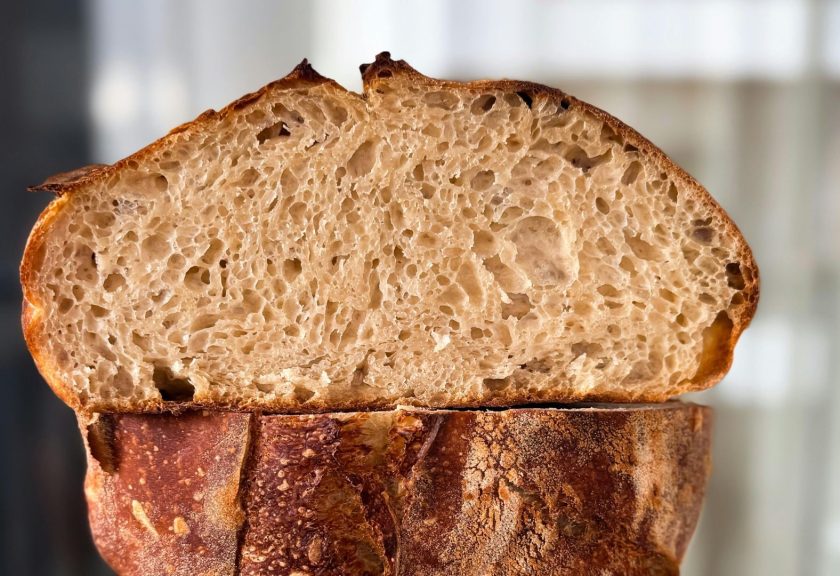
What Makes Bread Soft and Fluffy
Every ingredient and step in a soft bread recipe has a job to do. Dough hydration is a big one — more moisture means more steam during baking, which keeps the crumb tender. Fat, like butter, coats the gluten strands so they don’t tighten up too much, giving you that pillowy bite instead of a chewy one. Milk adds richness and tenderizes the crumb further, while sugar feeds yeast fermentation and locks in moisture so the bread stays soft longer after baking. Kneading builds the gluten structure that holds everything together, and giving your dough enough proofing time creates those even, beautiful air pockets that define a truly soft, fluffy loaf.
Classic Soft White Bread
Ingredients
- 3¼ cups all-purpose flour
- 2¼ tsp active dry yeast
- 1 cup warm whole milk (110°F)
- 2 tbsp sugar
- 1 tsp salt
- 2 tbsp unsalted butter, softened
- 1 egg
Instructions
- Add warm milk, sugar, and yeast to a large bowl and let it sit for 5–10 minutes until the mixture turns foamy and fragrant — this tells you the yeast is active and ready to go.
- Mix in the egg and softened butter, then gradually add the flour and salt, stirring until a shaggy dough comes together.
- Turn the dough out onto a lightly floured surface and knead for 8–10 minutes until it’s smooth, elastic, and just slightly tacky to the touch.
- Transfer to a greased bowl, cover with plastic wrap or a clean kitchen towel, and let it rise in a warm spot for 1–1.5 hours until doubled in size.
- Punch the dough down, shape it into a log, and place it into a greased loaf pan. Cover and proof for another 45–60 minutes until it domes above the rim.
- Bake at 350°F for 28–32 minutes until deep golden brown. Cool on a wire rack for at least 20 minutes before slicing.
Pro Tip: Brush the top of the loaf with melted butter the moment it comes out of the oven. It softens the crust, adds a beautiful shine, and makes the whole thing taste as if it came straight from a bakery counter.
Related: Best Amish White Bread Recipe
Recipe 2: Milk Bread (Japanese Style)
What Is Tangzhong?
Tangzhong is a dough roux made by cooking a small amount of flour and milk together over low heat until it thickens into a paste. That paste gets mixed directly into your milk bread dough, and here’s why it’s a game-changer: cooking the flour pre-gelatinizes the starches, meaning they absorb significantly more liquid. More liquid locked into the dough equals an incredibly moist, fluffy crumb that stays soft for days longer than a standard loaf.
If regular white bread is a comfortable mattress, Japanese milk bread is a cloud. The difference in texture is that noticeable.
Ingredients
Tangzhong:
- 3 tbsp bread flour
- ½ cup whole milk
Dough:
- 2¾ cups bread flour
- 2¼ tsp active dry yeast
- ½ cup warm whole milk (110°F)
- 2 tbsp sugar
- 1 tsp salt
- 1 egg
- 3 tbsp unsalted butter, softened
Instructions
- Make the tangzhong by whisking bread flour and milk in a small saucepan over medium-low heat, stirring constantly for 3–5 minutes until it thickens into a smooth paste. Remove from heat and let it cool completely.
- Combine warm milk, sugar, and yeast in a large bowl. Let it sit for 5–10 minutes until foamy.
- Add the cooled tangzhong, egg, and butter to the yeast mixture and stir to combine.
- Gradually mix in the bread flour and salt until a soft dough forms.
- Knead for 10–12 minutes until the dough is smooth, stretchy, and slightly tacky.
- Place in a greased bowl, cover, and let rise for 1–1.5 hours until doubled.
- Divide into equal portions, shape into smooth balls, and arrange in a greased loaf pan. Proof for another 45–60 minutes.
- Brush with an egg wash and bake at 350°F for 25–30 minutes until golden. Cool before slicing.
Pro Tip: For that iconic pull-apart texture, divide the dough into four equal balls and line them up side by side in the loaf pan before the second proof.
Brioche Bread
Ingredients
- 2½ cups bread flour
- 2¼ tsp active dry yeast
- 3 tbsp warm whole milk (110°F)
- 2 tbsp sugar
- ½ tsp salt
- 4 large eggs, room temperature
- ¾ cup unsalted butter, cubed and softened
Instructions
- Combine warm milk, sugar, and yeast in the bowl of a stand mixer. Let it sit 5–10 minutes until foamy.
- Add eggs one at a time, mixing on low with the dough hook after each addition.
- Add flour and salt, mixing until a shaggy dough forms, then increase speed to medium and knead for 8 minutes until smooth.
- With the mixer running on medium-low, add butter a few cubes at a time, waiting until each addition is fully incorporated before adding more. This process takes about 10 minutes — don’t rush it.
- Once all the butter is incorporated, continue kneading for another 5 minutes until the dough is silky and pulls cleanly from the sides of the bowl.
- Transfer to a greased bowl, cover, and refrigerate overnight (or at least 6 hours).
- Shape the chilled dough into a log and place it in a greased loaf pan. Let it come to room temperature and proof for 2–3 hours until puffy.
- Brush with egg wash and bake at 375°F for 30–35 minutes until deep golden brown. Cool completely before slicing.
Pro Tip: Don’t skip the overnight cold proof. Brioche baked after a long, slow rest in the fridge has noticeably better flavor and a far more tender enriched bread crumb than one rushed through a same-day proof.
Potato Bread
Ingredients
- 3 cups all-purpose flour
- 2¼ tsp active dry yeast
- ¾ cup warm whole milk (110°F)
- 1 cup mashed potatoes (plain, no butter or seasoning added)
- 2 tbsp sugar
- 1 tsp salt
- 2 tbsp unsalted butter, softened
- 1 egg
Instructions
- Combine warm milk, sugar, and yeast in a large bowl. Let it sit 5–10 minutes until foamy.
- Add the mashed potatoes, egg, and butter to the yeast mixture and mix until smooth and combined.
- Gradually add flour and salt, mixing until a soft dough forms.
- Knead on a floured surface for 8–10 minutes until smooth. The dough will feel softer and slightly stickier than a standard dough — that’s completely normal.
- Place in a greased bowl, cover, and let rise for 1–1.5 hours until doubled.
- Shape into a log, place in a greased loaf pan, and proof for another 45–60 minutes.
- Bake at 350°F for 30–35 minutes until golden brown. Cool on a wire rack before slicing.
Pro Tip: Use leftover mashed potatoes if you have them — just make sure they’re plain with no added butter, cream, or seasoning, since those extras can throw off the dough’s balance.
Related: The Ultimate Guide to Potato Sourdough Bread
Yogurt Bread
Ingredients
- 3 cups all-purpose flour
- 2¼ tsp active dry yeast
- ½ cup warm water (110°F)
- ¾ cup plain whole-milk yogurt, room temperature
- 2 tbsp sugar
- 1 tsp salt
- 2 tbsp unsalted butter, softened
Instructions
- Combine warm water, sugar, and yeast in a large bowl. Let it sit 5–10 minutes until foamy.
- Add yogurt and butter to the yeast mixture and stir to combine.
- Gradually mix in flour and salt until a soft dough forms.
- Knead on a lightly floured surface for 8–10 minutes until smooth and elastic.
- Place in a greased bowl, cover, and let rise for 1–1.5 hours until doubled in size.
- Shape into a log and transfer to a greased loaf pan. Proof for 45–60 minutes until domed above the rim.
- Bake at 350°F for 28–32 minutes until golden. Cool on a wire rack before slicing.
Pro Tip: Use full-fat Greek yogurt for an even richer, more tender crumb — the higher fat content makes a noticeable difference in both texture and moisture retention.
Dinner Rolls (Soft Rolls)
Ingredients
- 3¼ cups all-purpose flour
- 2¼ tsp active dry yeast
- 1 cup warm whole milk (110°F)
- 3 tbsp sugar
- 1 tsp salt
- 3 tbsp unsalted butter, softened
- 1 egg
Instructions
- Combine warm milk, sugar, and yeast in a large bowl. Let it sit 5–10 minutes until foamy.
- Add the egg and butter, then gradually mix in flour and salt until a soft dough forms.
- Knead on a lightly floured surface for 8–10 minutes until smooth and elastic.
- Place in a greased bowl, cover, and let rise for 1–1.5 hours until doubled.
- Divide the dough into 12 equal pieces and roll each one into a tight, smooth ball.
- Arrange on a greased baking tray close together but not quite touching. Cover and proof for 45 minutes until puffy and just touching.
- Bake at 375°F for 18–22 minutes until golden brown on top. Brush immediately with melted butter straight out of the oven.
Pro Tip: For extra-soft rolls with that iconic pull-apart quality, bake them in a 9×13-inch pan instead of a flat baking tray — the sides of the pan help them rise rather than out, giving you taller, fluffier soft rolls every time.
Your Next Favorite Loaf Is One Recipe Away
Soft crumb bread isn’t a bakery secret — it’s just a matter of nailing the right ingredients and techniques, and now you’ve got everything you need to do exactly that.
From the moisture-locking magic of potato bread to the ultra-pillowy texture of Japanese milk bread, every recipe here is designed to deliver that perfect, tender crumb without the guesswork.
Whether you’re baking a classic white loaf for sandwiches, pulling apart warm dinner rolls at the table, or treating yourself to a buttery slice of brioche, you’ve got six solid recipes to work with.
FAQs – Soft Crumb Bread Recipes
What is the secret to soft bread?
The secret to soft bread comes down to three things: fat, hydration, and proofing time. Ingredients like butter, milk, and eggs enrich the dough and tenderize the crumb, while proper hydration keeps moisture locked in during baking. Give your dough enough time to proof fully, and you’ll get that pillowy, tender texture every single time.
Related Articles:
 5 Homemade Bread Recipes You Can Make That Never Fail
 6 Easy Quick Bread Recipes That Bake in Under an Hour
 Turn Those Black Bananas Into Perfect Banana Bread Cookies
 Easy Bread Recipes for Beginners: 6 Simple Loaves Anyone Can Bake
 Christmas Stollen: A Traditional German Holiday Bread Worth the Wait
