Most bread recipes come with a long ingredient list and even longer wait times, which is enough to make anyone give up before starting. 2-ingredient bread flips that on its head: just flour and yogurt, mixed, shaped, and baked into a warm, homemade loaf.
Simple as that. What’s covered here is everything from picking the right yogurt to nailing that perfect dough texture, plus easy fixes if things feel a little off along the way. Whether it’s a first attempt at homemade bread or a favorite quick bake, this one’s about as low-effort as it gets.
What Is 2-Ingredient Bread?
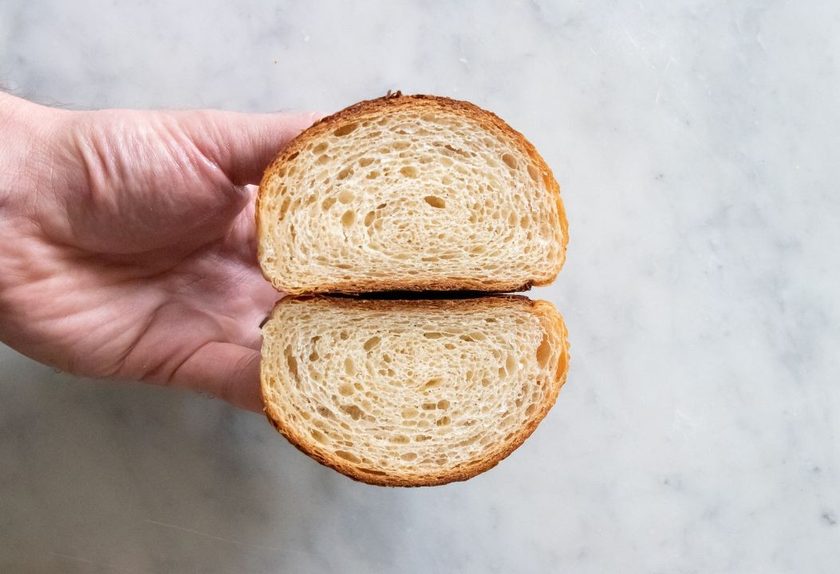
Two-ingredient bread is exactly what it sounds like: bread made from just two things, self-rising flour and yogurt. No yeast, no proofing, no overnight rise. You mix, knead, shape, and bake, and dinner’s ready in well under an hour. Self-rising flour already has baking powder and salt built in, so it pulls double duty as your leavening agent and your structure. That’s the whole trick behind this quick bread — chemistry doing the heavy lifting instead of time.
Not every two-ingredient bread recipe uses the same pairing. Some bakers reach for Greek yogurt for a tangier, denser crumb, while others prefer plain yogurt for something milder and softer. The principle stays the same either way: flour for structure, a thick, acidic dairy for moisture and lift.
Don’t expect this to taste like a bakery sourdough loaf — it’s not trying to be. Think dense, slightly chewy, a touch tangy, closer to a hearty biscuit than fluffy sandwich bread. And once you start tossing in herbs, cheese, or seeds, you’ve technically left simple bread recipe territory, since it’s no longer just two ingredients.
Related: 4-Ingredient Sourdough Discard Recipes
The Two Ingredients You Need
- 2 cups self-rising flour (structure and lift)
- 1 cup Greek yogurt or plain yogurt (moisture and tang)
Greek yogurt makes a denser, richer loaf; plain yogurt makes it softer and lighter. No self-rising flour? Use all-purpose flour plus 1 tablespoon baking powder and ½ teaspoon salt instead.
How to Make 2-Ingredient Bread
This bread comes together fast, with no fancy equipment and no waiting around for yeast to work its magic. Here’s the basic method:
- Preheat your oven to 350°F and line a baking sheet with parchment paper.
- Combine the ingredients. Add self-rising flour and yogurt to a mixing bowl and stir until a shaggy dough starts to form.
- Knead the dough. Turn it out onto a lightly floured surface and knead by hand for a few minutes, until it’s smooth and holds together without sticking to everything.
- Shape the loaf. Form it into a round, a couple of mini-loaves, or flatten it out, depending on how you plan to serve it.
- Bake. Place the shaped dough on the prepared baking sheet and bake until the outside turns golden brown and the inside is fully set.
- Check for doneness. Tap the bottom of the loaf; a hollow sound means it’s done. If you’re not sure, a toothpick test in the center works too.
That’s the whole process. No proofing drawer, no stand mixer required, just a bowl, your hands, and an oven. It’s forgiving enough that a slightly lopsided loaf still turns out just as tasty, which makes it a great starting point if homemade bread has always felt intimidating.
How the Dough Should Look
Fresh two-ingredient bread dough should feel a little tacky when you first start kneading, and that’s completely normal. You’re aiming for dough that holds its shape and pulls away cleanly from your hands, not something dry and crumbly, and not something so sticky it clings like glue.
If the dough cracks or refuses to come together, it’s too dry. Add a splash more yogurt at a time, kneading it in until everything binds into a cohesive ball. If it’s sticking heavily to your fingers or the counter, it’s too wet, so sprinkle in a little extra flour as you knead.
Here’s the part that trips people up: don’t keep adding flour just to chase away every trace of stickiness. A dough that’s slightly tacky to the touch will bake up soft and tender. One that’s been over-floured to feel perfectly dry in your hands often bakes up dense and dry in the oven instead.
Signs your dough is ready:
- Smooth surface, no visible cracks
- Holds its shape when formed into a ball
- Slightly tacky, but not sticking to your hands
- Springs back gently when pressed
Get comfortable with this stage and the rest of the recipe falls into place.
Baking the Bread
Once your dough is shaped, baking is straightforward — the main things that matter are oven temperature and timing.
- Preheat the oven to 350°F–375°F, depending on the shape and size of your loaf.
- Prepare your baking sheet. Line it with parchment paper so the bread doesn’t stick and cleanup stays easy.
- Place the shaped dough on the sheet, leaving space around it so heat can circulate evenly.
- Bake for 30–40 minutes for a full-size loaf, or less time for flatbreads or individual portions.
- Watch the color. The outside should turn a deep golden brown; if it’s browning too fast while the center’s still raw, loosely tent it with foil.
- Check the center before pulling it out. It should be fully baked through, not doughy or gummy in the middle.
- Let it cool briefly on the sheet before transferring it, since it’ll finish firming up as it cools.
Oven temperature matters more than people expect with this bread. Too low, and you end up with a pale, soft crust that never quite sets. Too high, and the outside can turn golden before the inside’s had a chance to cook through. Finding that middle ground is really the whole secret to a well-baked loaf, along with resisting the urge to pull it early just because the outside looks done.
Common Problems and Fixes
Two-ingredient bread is forgiving, but a few common issues pop up. Here’s how to fix them:
- Dense bread: Usually caused by overworking the dough or kneading in too much flour. Knead just until smooth, then stop.
- Dry bread: Often means too much flour was used, or the loaf baked a little too long. Measure carefully and keep an eye on the clock.
- Dough that won’t come together: Add yogurt gradually, a little at a time, instead of dumping it all in at once.
- Bread browning too fast: Tent the top loosely with foil partway through baking if it’s coloring faster than the inside is cooking.
- Gummy or undercooked center: This almost always means it needs more oven time. Bake a bit longer and check again with a toothpick or tap test.
- Dough too sticky to shape: Sprinkle in a little extra flour as you knead, just enough to make it workable.
- Dough too dry or crumbly: Add a splash more yogurt and knead it in until it comes together smoothly.
Most of these fixes come down to two things: getting the flour-to-yogurt ratio right and giving the loaf enough time in the oven. Once you’ve made this a couple of times, you’ll start recognizing dough consistency and doneness by feel, and these troubleshooting moments become far less common.
Easy Variations
The basic two-ingredient formula is flexible enough to bend without breaking the concept. Swapping Greek yogurt for plain yogurt (or vice versa) changes the texture noticeably: Greek yogurt gives a heartier, tangier, denser loaf, while plain yogurt makes for a softer, milder one.
Shape is another easy place to play. The same dough works as a round loaf, dinner-roll-sized portions, or individual mini-loaves, so you can match the shape to the meal. Pressing the dough thinner and baking it for less time turns it into a flatbread-style option, great for scooping up dips or wrapping around fillings.
The one thing worth keeping in mind: once you start adding herbs, cheese, seeds, or other mix-ins, the bread technically steps outside the true two-ingredient definition. That’s not a problem if you’re chasing flavor, but it’s worth knowing where the line sits if you want to keep things purely simple.
Small individual breads are especially handy for lunches, quick sides, or portion control, since they bake a little faster than a full loaf and don’t require slicing. Whichever direction you take it, the underlying method – mixing, kneading, shaping, and baking – stays the same.
Related: Finally! Sourdough Cupcakes That Hit Different
How to Store and Serve It
Two-ingredient bread stores easily and reheats well, making it a practical option for meal prep or busy weeks.
- Cool completely first. Let the loaf cool fully before wrapping or storing it; trapping warmth and steam will soften the crust and make it soggy.
- Store at room temperature. Keep it wrapped or in an airtight container for a few days on the counter.
- Reheat in the oven. A short warm-up brings back that fresh-baked texture better than the microwave does.
- Toast individual slices. Pop slices in the toaster for a crisp, warm bite, which works especially well given this bread’s denser texture.
- Serve with butter or spreads. A warm slice with butter or your favorite jam is simple and satisfying.
- Pair it with soup. The dense, sturdy texture holds up well for dipping.
- Serve it under eggs. Use it as a base for fried or scrambled eggs at breakfast.
However you store or serve it, this bread holds up better than most quick breads, staying good for several days without turning stale or crumbly.
Bread Doesn’t Get Easier Than This
And that’s two-ingredient bread in a nutshell. Just flour and yogurt, no yeast, no waiting around, no fuss. You know what to grab, how to bring it together, and how to tell when it’s ready. You’ve got the fixes for when things go a little sideways, plus some easy ways to switch it up and keep it fresh afterward.
This is about as low-effort as homemade bread gets, and it still turns out warm, satisfying, and totally worth it. So skip the excuses, grab what you’ve got in the kitchen, and give it a shot. You might just find your new go-to.
FAQs
What can you make with 2-ingredient dough?
Plenty, actually. The basic flour-and-yogurt dough works for a classic round loaf, mini rolls, flatbread, or individual-sized portions. Just shape it however suits the meal and adjust the baking time accordingly. It’s flexible enough to fit sandwiches, dipping bread for soup, or a quick side, all from the same simple dough base.
Can I make bread with only 3 ingredients and no yeast?
Yes, easily. Adding a third ingredient, like herbs, cheese, or a touch of honey, still keeps things yeast-free as long as baking powder or self-rising flour handles the rise. The core method stays the same: mix, knead, shape, and bake. It’s a simple way to add flavor without needing yeast or extra proofing time.
2-Ingredient Bread
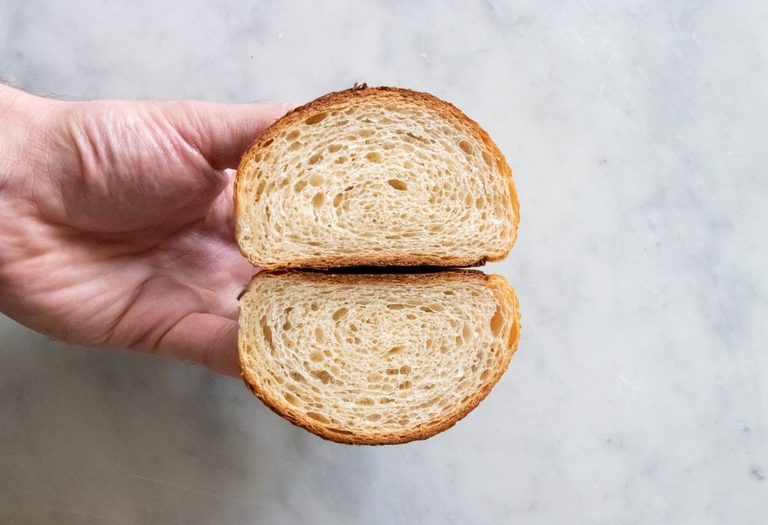
Two-ingredient bread is exactly what it sounds like: bread made from just two things, self-rising flour and yogurt. No yeast, no proofing, no overnight rise.
Ingredients
- 2 cups self-rising flour (structure and lift)
- 1 cup Greek yogurt or plain yogurt (moisture and tang)
Instructions
- Preheat your oven to 350°F and line a baking sheet with parchment paper.
- Combine the ingredients. Add self-rising flour and yogurt to a mixing bowl and stir until a shaggy dough starts to form.
- Knead the dough. Turn it out onto a lightly floured surface and knead by hand for a few minutes, until it’s smooth and holds together without sticking to everything.
- Shape the loaf. Form it into a round, a couple of mini-loaves, or flatten it out, depending on how you plan to serve it.
- Bake. Place the shaped dough on the prepared baking sheet and bake until the outside turns golden brown and the inside is fully set.
- Check for doneness. Tap the bottom of the loaf; a hollow sound means it’s done. If you’re not sure, a toothpick test in the center works too.
Notes
If the dough cracks or refuses to come together, it’s too dry. Add a splash more yogurt at a time, kneading it in until everything binds into a cohesive ball. If it’s sticking heavily to your fingers or the counter, it’s too wet, so sprinkle in a little extra flour as you knead.