Last updated on December 20th, 2025
Standing at the flour aisle, wondering what flour to use for sourdough starter? The flour you choose directly impacts fermentation speed, flavor complexity, and how vigorously your starter rises.
Different flours behave completely differently—all-purpose flour offers predictability, whole wheat brings powerhouse nutrition, rye delivers lightning-fast fermentation, and specialty grains add unique flavors. Protein content, enzyme levels, and mineral composition all play crucial roles in starter performance.
You’ll discover exactly how each flour type affects your starter’s activity, which options ferment fastest, and the budget-friendly blends that professional bakers rely on. Get ready to feed your starter with confidence and bake consistently beautiful sourdough loaves.
Why Flour Type Matters
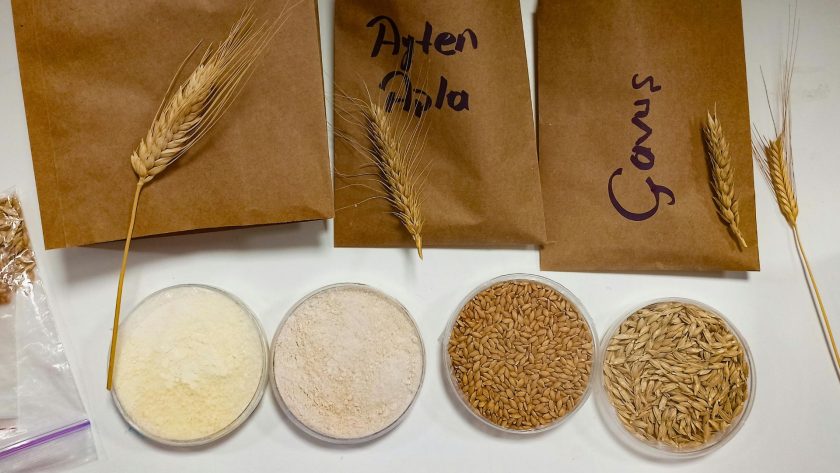
The flour you choose for your sourdough starter directly affects its activity and the quality of your bread. Flours with higher protein content produce more active and vigorous starters because the wild yeast feeds on that protein. Gluten provides the structure and elasticity necessary for the fermentation process, which creates those air pockets in your bread.
Mineral content also plays a crucial role, with organic flours typically containing higher levels that your starter can utilize without chemical interference. Whole-grain flours, particularly rye, contain higher levels of natural enzymes that break down starches into sugars faster, which speeds up fermentation. Different flours also absorb water differently—whole wheat and rye need more water than refined flours, which affects your dough from start to finish.
All-Purpose Flour
All-purpose flour is the most common choice for sourdough starters, and for good reason. It tends to behave the most predictably, which is helpful when you’re getting started. It’s available at any grocery store and won’t break the bank when you’re feeding your starter daily.
Key Features of All-Purpose Flour:
- Protein content: typically 9-10%, providing moderate gluten development
- Availability: easy to find in any grocery store nationwide
- Cost-effective: budget-friendly option for daily starter feedings
- Predictable behavior: consistent results that make troubleshooting easier
- Moderate fermentation: slower, more manageable rise times
- Neutral flavor: clean taste that won’t overpower your bread
- Versatile: works for both maintaining starters and baking bread
Lower protein flours like all-purpose may produce a slower-acting and less vigorous starter compared to bread flour or whole wheat. Your starter might take longer to double in size and won’t bubble as dramatically. But this slower pace is actually easier to manage, especially when you’re learning.
White flours, like all-purpose, have much of the bran extracted during milling, which means fewer naturally occurring microbes. Once your starter is established, though, it’ll work consistently with moderate fermentation that’s easy to fit into your schedule.
Related: Discover 5 Types Of Flour For Sourdough Bread
Whole Wheat Flour
Whole wheat flour creates a more active starter with a deeper flavor. It contains the entire wheat berry—bran, germ, and endosperm—which means more nutrients for your starter to feed on.
Key Features of Whole Wheat Flour:
- Nutrient-rich: сontains bran, germ, and endosperm for maximum nutrition
- Faster fermentation: ferments much more rapidly than white flour as wild yeasts respond vigorously to having all parts of the wheat berry present
- Complex flavor: deep, complex taste with noticeably sweeter notes and more tanginess from fermentation
- Higher fiber: more filling and nutritious for your final loaves
- Hearty character: creates a robust, richly flavored starter
- Requires more frequent feeding: the extra nutrients mean your starter eats faster
Whole grains contain exponentially more sourdough-friendly microorganisms than white flour. Whole wheat flour jumpstarts fermentation, which is why many bakers use it when starting a new culture, even if they switch to white flour later for maintenance.
The downside? Whole wheat starters hold fewer bubbles and won’t rise bread as dramatically during bulk fermentation unless used with a more glutenous flour. The bran can interfere with gluten development. Many bakers use whole wheat starter but blend it with bread flour in their dough to get both flavor and structure.
Rye Flour
Rye flour is incredibly active and ferments faster than other flours. Professional bakers often use it to revive sluggish starters because it’s so effective.
Key Features of Rye Flour:
- Extremely active: contains high levels of enzymes that attract a variety of yeasts, making it especially active in sourdough
- Fast fermentation: ferments much faster than other flours, bringing a wider variety of yeasts
- Rich in amylase enzymes: packed with amylase enzymes that convert starches to fermentable sugars quickly
- Complex, tangy flavor: produces distinctive sour notes that define classic sourdough taste
- Lower maintenance: can go longer between feedings—sometimes just once a week
- Starter rescue tool: perfect for reviving inactive or sleepy starters
Rye contains more free sugars that are easily accessible for yeast and bacteria to feed on, plus a higher content of starch-degrading enzymes that speed up fermentation. There’s simply more food available in rye flour, and it’s easier for the microbes to access.
Rye flour uniquely attracts many more yeasts than other flours, encouraging greater lactic acid bacteria activity. You’ll see rye starters bubble up within hours of feeding and develop a wonderfully tangy smell. The combination of sweet notes from sugars and sour flavors from lactic acid bacteria makes rye sourdough bread incredibly flavorful. Even adding just 10% rye to your bread recipe can significantly boost the flavor.
Blends and Specialty Flours
Mixing different flours lets you combine their strengths and minimize their weaknesses. It’s about creating something better than what any single flour can do alone.
Key Features of Flour Blends:
- Balanced performance: combines strengths while minimizing weaknesses
- Enhanced flavor: layers different taste profiles for complexity
- Improved activity: a 50/50 mix of whole-meal flour and bread flour is recommended for new starters
- Customizable: adjust ratios to suit your schedule and taste preferences
- Cost-effective: blend expensive specialty flours with economical options
- Versatile baking: one hybrid starter works for multiple bread styles
The best flour blend for creating a new starter is 50% whole-meal flour and 50% bread flour or all-purpose flour. This gives you the microbial boost from whole grain while keeping the predictable structure of white flour. Many bakers mix flours in their starter, like 25% rye with 75% all-purpose, as an economical way to add whole grains.
Spelt flour is one of the easiest flours to start a sourdough culture with and should take only a few days to establish. It has a nutty, slightly sweet flavor and makes a smooth starter. Einkorn adds a creamy quality and yellow color from beta carotene. However, ancient grains like einkorn, emmer, and spelt can have high protein content but don’t have good gluten-forming properties and don’t produce great loaves when used at 100%—they need to be mixed with stronger bread flour.
You can keep your main starter fed with one flour type, then build a levain with different flour types without actually changing your starter’s regular food source. This means you could maintain an all-purpose starter but create a rye levain for one recipe and a whole wheat levain for another. You get the benefits of multiple flour types without maintaining separate starters.
Tips for Flour Selection
Choosing the right flour for your sourdough starter doesn’t have to be complicated. All-purpose flour tends to behave the most predictably for beginners. Once you’re comfortable, experiment—you can interchange the flours you feed your sourdough starter any time, and you can also mix flours before feeding.
Each flour absorbs water differently and will require a slightly different feeding ratio. You have to get that hydration ratio just right to make your starter thrive—aim for a smooth peanut butter consistency. Whole-grain flours absorb more water than white flour, so you may want to increase your hydration percentage accordingly.
Stone-milled, whole-kernel flours produce more delicious baked goods with more nutritional value. Many people feed their starter cheaper flour during establishment, then save expensive flour for baking the actual bread. You can feed your starter different types of flour from the bread you’re making, giving you flexibility without maintaining multiple starters.
Related: Sourdough Bread Without Starter: Your Guide + Recipe
Ready to Feed Your Starter Like a Pro?
The flour you choose shapes everything from fermentation speed to final flavor, but there’s no single “right” answer—only what works best for your goals. The real game-changer? You can experiment freely—blend flours, adjust hydration, and maintain one starter while building different levains for various recipes.
Whether you start with budget-friendly all-purpose or dive into specialty grains like spelt and einkorn, you now know to make informed choices. Armed with this guide, you’re ready to feed your starter with confidence, knowing exactly how each flour behaves and how to use it for the perfect loaf.
FAQs – What Flour to Use for Sourdough Starter
What is the best flour for a sourdough starter?
There’s no single “best” flour—it depends on your needs. All-purpose flour is most beginner-friendly due to its predictable behavior and availability. Whole wheat and rye ferment faster and add complex flavors, but require more frequent feeding. Many bakers use a 50/50 blend of whole-grain and white flour for balanced activity and flavor. Experiment to find what works for your schedule and taste preferences.
Related Articles:
![How to freeze sourdough starter [top tips for success]](https://www.mydailysourdoughbread.com/wp-content/uploads/2023/06/storing-starter-in-freezer-120x120.jpg "How To Freeze Sourdough Starter [Top Tips For Success] 2") How to Freeze Sourdough Starter [Top Tips For Success]
How to Freeze Sourdough Starter [Top Tips For Success]
![How to keep sourdough starter warm [best tips]](https://www.mydailysourdoughbread.com/wp-content/uploads/2023/07/a-bubbly-starter-on-a-cooling-rack-120x120.jpg "How To Keep Sourdough Starter Warm [Best Tips And Why You Need To] 3") How to Keep Sourdough Starter Warm [Best Tips and Why You Need To]
How to Keep Sourdough Starter Warm [Best Tips and Why You Need To]
 How to Discard Sourdough Starter – Tips For Disposing Of Your Starter
 How to Tell When Your Sourdough Starter is Ready for Baking
![Easy recipes using sourdough starter [with step by step guide]](https://www.mydailysourdoughbread.com/wp-content/uploads/2025/05/10-Recipes-Using-Sourdough-Starter-Beyond-Basic-Bread-120x120.jpg "10 Recipes Using Sourdough Starter (Beyond Basic Bread!) 6") 10 Recipes Using Sourdough Starter (Beyond Basic Bread!)
10 Recipes Using Sourdough Starter (Beyond Basic Bread!)

I’m just beginning my journey of bread making. I too seem to feel exhausted and have inflammation when eating commercially made bread. Then I’m in pain for days until my anti inflammatory natural cures kick in again.
Thank you for this useful information. Blessings
You’re most welcome, Glen!