Last updated on August 18th, 2025
Sweet focaccia bread is Italy’s best-kept secret – a gorgeous, dimpled bread that transforms basic ingredients into pure magic. Most home bakers struggle with achieving that perfect balance of crispy edges and pillowy interior, often ending up with dense, disappointing results. This comprehensive breakdown reveals the exact techniques Italian bakers use, from mastering the stretch-and-fold method to nailing those signature dimples that hold your favorite toppings. You’ll discover foolproof methods for creating bakery-quality sweet focaccia bread that’ll make your kitchen the neighborhood’s favorite destination.
What Is Sweet Focaccia Bread?
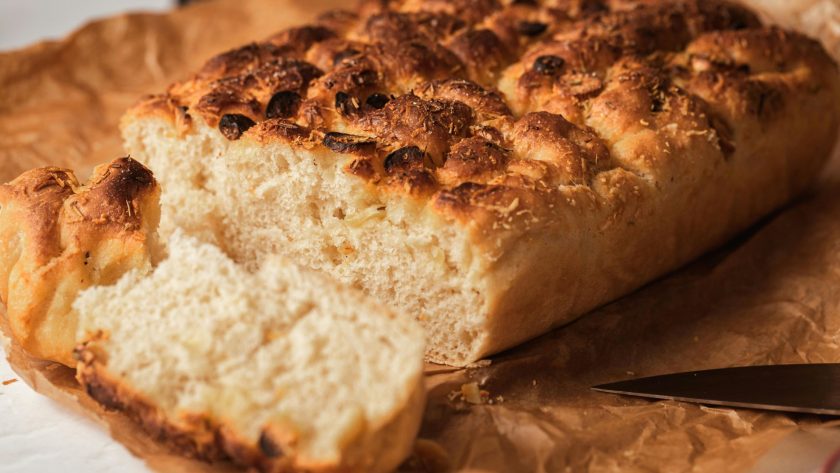
Think of sweet focaccia as traditional Italian bread’s charming cousin who decided to swap the herbs for sugar. While most folks know focaccia as that gorgeous, dimpled bread drizzled with olive oil and topped with rosemary, sweet focaccia takes the same incredible dough foundation and gives it a completely different personality.
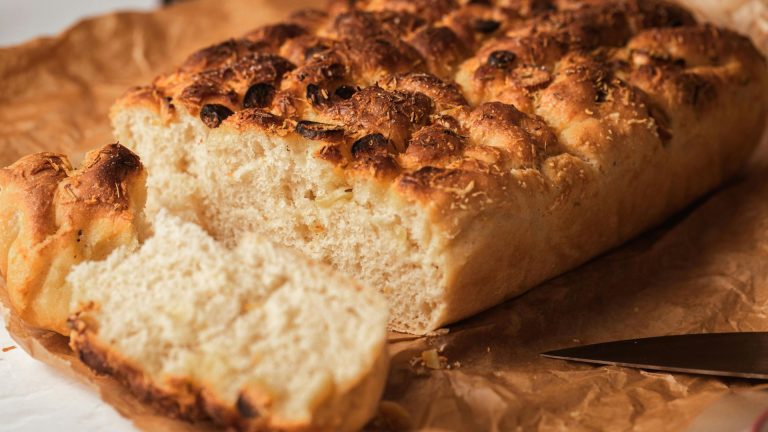
Sweet focaccia (or “focaccia dolce” in Italy) incorporates sugar into the dough and gets sprinkled with more sugar on top, sometimes with raisins, honey, or other sweet ingredients mixed right in. The result? A bread that’s caught somewhere between a breakfast pastry and a light dessert – not quite as sweet as cake, but sweeter than your standard loaf.
The dough often gets a makeover, too. While traditional focaccia relies on olive oil for richness, sweet versions might incorporate milk, butter, and eggs, creating something more akin to brioche dough. This makes it softer and more delicate, though it still gets those signature dimples.
Sweet focaccia shines with morning coffee, afternoon tea, or as a light dessert, bridging the gap between bread and pastry in Italian baking traditions.
Ingredients
Essential Ingredients:
- 3-4 cups all-purpose flour
- 1 packet (2¼ tsp) active dry yeast
- 1-2 tablespoons granulated sugar
- ¼ cup honey
- ¼ cup olive oil or melted butter
- 1 cup warm milk or water
- 1 teaspoon salt
Sweet Toppings:
- 2-3 tablespoons brown sugar for sprinkling
- Fresh fruit (berries, figs, apples)
- Fresh rosemary sprigs
- Extra honey for drizzling
Step-by-Step Dough Preparation
- Proof your yeast first. In a small mixing bowl, combine warm milk (105-115°F – think nice bath temperature) with a tablespoon of sugar and the yeast. Stir gently and let it sit for 5-10 minutes until it gets foamy and bubbly on top. No foam? Your yeast’s probably past its prime, so start fresh.
- Create your dough base. In a large mixing bowl, whisk together flour and salt. Make a well in the center and pour in that bubbly yeast mixture along with honey, olive oil, and remaining warm milk. Using a wooden spoon or mixer on low speed, bring everything together until you’ve got a shaggy, sticky dough.
- Master the stretch and fold technique. Sweet focaccia loves moisture, so expect stickiness! Oil your hands generously, then gently stretch one side of the dough up and fold it over to the opposite side. Rotate your bowl a quarter turn and repeat four times total.
- Let time work its magic. Cover with a damp towel or oiled plastic wrap and rest for 30 minutes. Repeat the stretch and fold process, then rest again. You’ll notice the dough becoming smoother and more elastic with each round.
- Check for proper development. After your final fold, the dough should feel pillowy and slightly springy – that’s when you know you’ve achieved proper gluten development without overworking the delicate structure.
Related: Simple Sourdough Focaccia Recipe
Proofing and Shaping Techniques
Understanding the Fermentation Process
Sweet focaccia’s fermentation requires careful temperature control for optimal results. Keep your dough between 75-78°F to create the perfect environment for proper fermentation. Cooler temperatures slow yeast activity, while excessive heat leads to overproofing and structural loss.
Plan for about 4 hours at room temperature, though timing varies with kitchen warmth. The dough is ready when doubled in size and feels pillowy to the touch.
Transferring to the Baking Tray
Generously coat your baking tray with olive oil. Use a dough scraper to transfer risen dough from the bowl to the prepared tray. Oil your hands and gently stretch the dough toward the pan edges without forcing it. If resistant, rest 10 minutes and retry.
Cover with a damp towel for 30 minutes before final proofing.
Creating Those Signature Finger Dimples
Dimple between the first and second rise, pressing deep to your first knuckle. Oil hands lightly, then use fingertips to press straight down across the entire surface. Press to pan bottom without breaking through the dough.
These dimples prevent excessive puffing and create pockets for toppings.
Layering Fresh Fruit Toppings
Cut fruits like cherries and figs in half, inner side up. Avoid overly wet fruits that release excessive juice. Press fruit gently into dimples without burying completely. Sprinkle brown sugar lightly for sweet-savory balance, then drizzle with olive oil for moisture and golden crust development.
Sweet Toppings and Flavor Variations
Fresh berries are natural superstars on sweet focaccia – think raspberries, blueberries, and blackberries, creating those gorgeous jewel-toned pockets across your bread. Peaches, figs, nectarines, and even cherries work beautifully too, each bringing their own personality to the party. The secret’s in the prep: halve your berries to prevent too much juice from making things soggy, and gently press them into those signature dimples so they stay put during baking.
Popular Fruit Combinations:
- Mixed berries with a sprinkle of orange zest for brightness
- Fresh figs with a drizzle of honey and chopped walnuts
- Sliced peaches with cinnamon and brown sugar
- Strawberries with balsamic glaze for sweet-savory balance
- Grapes with rosemary for an unexpectedly sophisticated twist
Switch up the fruit and make it your own as the seasons change! Summer screams for juicy stone fruits like peaches and nectarines, while fall brings gorgeous figs and late-season berries. Winter? That’s when citrus zest becomes your best friend, adding bright pops of flavor when fresh fruit’s harder to come by.
Sweet Spice and Sugar Options:
- Brown sugar sprinkled on top for that caramelized crunch that makes people close their eyes when they take that first bite
- Cinnamon sugar creates those warm, cozy vibes that make your kitchen smell like a hug
- Mix cinnamon with sugar, and don’t be afraid to experiment with adding nutmeg or brown sugar for depth of flavor
- Turbinado sugar for extra crunch and molasses notes
- A pinch of cardamom or ginger for warming winter spices
Nuts and Textural Elements:
- Chopped nuts like walnuts or pecans for that satisfying crunch factor
- Toasted almonds for subtle elegance
- Pistachios add both color and a slightly savory note
- Pine nuts for Mediterranean flair
- Toasted coconut flakes for tropical vibes
Here’s a pro move: toss your nuts with a tiny bit of olive oil and a pinch of sea salt before scattering them over your dough. They’ll crisp up beautifully in the oven and won’t burn as easily.
Seasonal and Holiday Variations:
- Add maple flavor for fall by swapping regular glaze for a maple version
- Make it cinnamon-apple focaccia by placing thinly sliced apples on top, dusting with cinnamon and sugar
- Spring calls for lemon zest paired with fresh berries
- Winter brings warming spices like cardamоm or a touch of ginger
- Holiday versions with cranberries and orange zest
The trick with spices? Less is more at first. You can always add another sprinkle, but you can’t take it back once it’s baked in. Start with a light dusting, then build up those flavors layer by layer. Each season brings its inspiration, so don’t be afraid to follow your taste buds’ lead and create something uniquely yours.
Baking Tips for Sweet Focaccia Bread
Sweet focaccia thrives in a hot oven, and getting your temperature right makes all the difference between mediocre bread and something that’ll make you weak in the knees. Here’s everything you need to nail that perfect bake:
Oven Temperature and Setup:
- Set your oven to 425°F to 450°F (220°C to 232°C) for that perfect balance of crispy crust and pillowy interior
- Preheat for a full 30 minutes before baking – this ensures heat saturation throughout your oven
- Position your rack in the center for the most balanced heat distribution
- Use convection if you’ve got it – the circulating air creates an even crispier crust while maintaining that tender crumb
Pan Selection and Prep:
- Choose metal pans over glass – they conduct heat efficiently and give you those gorgeously crispy edges
- A 9×13-inch rimmed baking sheet works perfectly for most home recipes
- Line with parchment paper, creating little “handles” by extending paper up the sides
- Drizzle olive oil generously over the parchment for non-stick insurance and crispy bottom development
Testing for Perfect Doneness:
- Use an instant-read thermometer – you’re aiming for 190°F to 210°F (88°C to 99°C) in the center
- Look for a gorgeous golden-brown color across the top surface
- Try the “knock test” – tap the center gently with your knuckle and listen for a hollow sound
- Sweet toppings should look slightly caramelized but not burnt
Customizing Texture:
- For chewier focaccia: Bake at 425°F for 25 to 30 minutes using the gentler approach
- For maximum crispiness: Crank to 450°F and watch carefully during baking
- Pro crispy trick: Start at 475°F for 15 minutes, then reduce to 450°F to finish
- Ultimate crispy bottom: Remove from pan and place directly on oven rack for the last 5 minutes
The high heat creates “oven spring” – that magical moment when your dough puffs beautifully in the first few minutes. Don’t be tempted to peek too early; let that initial blast of heat work its magic!
Related: Sourdough Pumpkin Cinnamon Roll Focaccia
Serving Suggestions
Sweet focaccia transforms any ordinary morning into something special, pairing beautifully with espresso or cappuccino, where its gentle sweetness enhances rich coffee notes without competing. Spread mascarpone on warm focaccia and top with fresh fruit for a dessert-like experience that bridges breakfast and treat perfectly.
It makes a fantastic brunch spread addition alongside eggs, bacon, and fruit. Arrange sliced focaccia on wooden boards with honey for drizzling, fresh berries, and whipped mascarpone for spreading. Try serving it with fruit platters as dessert bread, or cut into elegant triangles for afternoon tea with light spreads like honey-ricotta.
Storage and Reheating
Your sweet focaccia’s best friend is room temperature storage for up to three days. Wrap it in plastic wrap or keep it in an airtight container at room temperature. Skip the fridge unless you have perishable toppings – cold temperatures accelerate the natural staling process.
For longer storage, cut into pieces, flash freeze on parchment-lined sheets for two hours, then wrap in plastic and store in freezer bags for up to a month.
Reheat in a 375°F oven for 6-8 minutes, wrapped in foil for moisture retention. The microwave works quickly with damp paper towels for 30 seconds, but won’t restore crispiness.
Ready to Bake Amazing Sweet Focaccia?
You now have all the essential knowledge to create delicious sweet focaccia from scratch. This versatile bread combines traditional Italian techniques with creative sweet toppings, perfect for breakfast, dessert, or anytime treats. The key steps are simple: proper dough preparation, patient fermentation, correct oven temperature, and creative topping choices.
Whether you prefer fresh fruit, nuts, or seasonal flavors, sweet focaccia adapts to your taste preferences and available ingredients. With proper storage methods, you can enjoy homemade results for days, making it a practical addition to your baking repertoire. Sweet focaccia bridges the gap between bread and pastry, offering endless possibilities for customization.
FAQs
Can I make focaccia sweet?
Absolutely! Sweet focaccia (focaccia dolce) is a popular Italian variation that incorporates sugar into the dough and features sweet toppings like fresh fruit, honey, or brown sugar. The dough often includes milk, butter, and eggs for richness, creating a bread that’s perfect for breakfast, dessert, or afternoon treats with coffee or tea.
What are the two types of focaccia?
The two main types are savory and sweet focaccia. Traditional savory focaccia features olive oil, herbs like rosemary, and toppings such as olives or tomatoes. Sweet focaccia (focaccia dolce) contains sugar in the dough and is topped with fruit, honey, nuts, or sweet spices, creating a pastry-like bread perfect for desserts or breakfast.
Can I add sugar to my focaccia dough?
Yes! Adding 1-2 tablespoons of granulated sugar to the caccia dough creates sweet focaccia. The sugar feeds the yeast and adds sweetness to the bread. You can also incorporate honey, brown sugar, or other sweeteners. Sweet versions often include milk, butter, and eggs alongside the sugar for a richer, more tender texture.
What is the secret to good focaccia?
The secret lies in proper dough hydration, gentle handling, and adequate fermentation time. Use the stretch-and-fold technique instead of heavy kneading, allow proper proofing for flavor development, create deep dimples for texture, and bake at high heat (425-450°F). Quality olive oil, patience during rising, and not overworking the delicate dough structure are essential.
Sweet Focaccia Bread
Sweet focaccia (or “focaccia dolce” in Italy) incorporates sugar into the dough and gets sprinkled with more sugar on top, sometimes with raisins, honey, or other sweet ingredients mixed right in.
Ingredients
- 3–4 cups all-purpose flour
- 1 packet (2¼ tsp) active dry yeast
- 1–2 tablespoons granulated sugar
- ¼ cup honey
- ¼ cup olive oil or melted butter
- 1 cup warm milk or water
- 1 teaspoon salt
- 2–3 tablespoons brown sugar for sprinkling
- Fresh fruit (berries, figs, apples)
- Fresh rosemary sprigs
- Extra honey for drizzling
Instructions
- Proof yeast – Combine warm milk (105-115°F), tablespoon sugar, and yeast in small bowl. Let sit 5-10 minutes until foamy and bubbly. No foam means dead yeast.
- Create dough base – Whisk flour and salt in large bowl, make well in center. Add bubbly yeast mixture, honey, olive oil, and remaining milk. Mix until shaggy, sticky dough forms.
- Stretch and fold – Oil hands generously. Stretch one dough side up and fold over the opposite side. Rotate bowl quarter turn, repeat four times total.
- Rest and repeat – Cover with damp towel 30 minutes. Repeat stretch-and-fold process, then rest again. Dough becomes smoother and more elastic.
- Check development – Final dough should feel pillowy and springy, indicating proper gluten development without overworking.
Notes
Sweet focaccia’s fermentation requires careful temperature control for optimal results. Keep your dough between 75-78°F to create the perfect environment for proper fermentation. Cooler temperatures slow yeast activity, while excessive heat leads to overproofing and structural loss.