
Last updated on July 28th, 2026
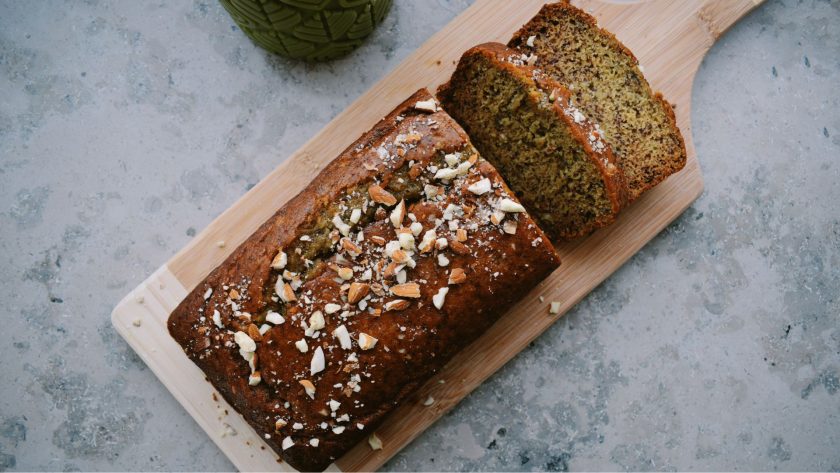
There’s something almost magical about pulling a loaf of banana bread out of the oven — the smell alone is enough to bring everyone wandering into the kitchen. But this coconut lime banana bread doesn’t just beckon — it commands attention. Ultra-ripe bananas bring deep, jammy sweetness. Fresh lime zest cuts through with a bright, citrusy punch. Shredded coconut adds richness and a subtle chew. It’s a tropical flavor experience wrapped up in a cozy, golden-brown loaf — the kind that earns a permanent spot in your baking rotation.
What Makes This Recipe Unique
This recipe works because of a simple flavor triangle: banana, lime, and coconut. Ripe bananas deliver natural sweetness and a dense, custardy base. Coconut — whether shredded or as coconut milk — adds fat and richness for a tender, moist crumb. Lime’s acidity cuts through the sweetness, keeping every bite bright and balanced. It’s the same principle as strawberries and balsamic — unlikely on paper, brilliant in practice. Each ingredient sharpens the others, making the final loaf taste more complex than the effort behind it.
Ingredients Breakdown (Core + Role)
Bananas: The Riper, the Better
Overripe bananas are the soul of this loaf. Those blackened, mushy bananas sitting on your counter that you keep meaning to throw away? That’s gold. The natural sugars deepen and concentrate as the banana ripens, meaning more sweetness, more banana flavor, and more moisture in the final loaf. Aim for bananas that are at least 80% brown. Three large ones should do the trick.
Related: Sourdough Banana Muffins
Lime: Zest First, Always
Fresh lime is a must — bottled juice won’t cut it. The real magic is in the zest, which contains aromatic essential oils that give the bread that punchy, fragrant citrus note. You’ll want the zest of two limes and about 2 tablespoons of fresh juice. Always zest before you juice — it’s a lot easier to work with a whole fruit.
Coconut: Two Ways to Use It
Shredded unsweetened coconut adds texture and a chewy bite. Coconut milk adds moisture and tropical richness without being overpowering. Full-fat coconut milk is ideal — the fat content keeps the crumb tender. You can use one or both.
Baking Powder: The Lift You Need
Baking powder gives the loaf its rise. Use 1½ teaspoons for a standard 9×5 loaf. If yours has been sitting in the pantry for more than six months, test it first — drop a teaspoon into hot water, and if it doesn’t bubble vigorously, grab a fresh can.
Other Key Players
- Eggs: Bind and add richness
- Butter or coconut oil: Moisture and flavor
- All-purpose flour: The structure
- Brown sugar: Adds a molasses depth that pairs beautifully with banana
- Salt: Amplifies every other flavor in the batter
Step-by-Step Recipe
Ingredients:
- 3 large overripe bananas, mashed (about 1½ cups)
- 2 limes, zested and juiced (about 2 tbsp juice)
- ½ cup shredded unsweetened coconut
- ⅓ cup melted butter or coconut oil
- ¾ cup brown sugar, packed
- 2 large eggs
- 1 tsp vanilla extract
- ½ cup full-fat coconut milk
- 1¾ cups all-purpose flour
- 1½ tsp baking powder
- ½ tsp baking soda
- ½ tsp salt
- Preheat your oven to 350°F. Grease a 9×5-inch loaf pan and line it with parchment paper, leaving a little overhang on the sides for easy removal.
- In a large bowl, mash your bananas until mostly smooth with just a few small lumps remaining.
- Add the melted butter (or coconut oil), brown sugar, eggs, vanilla, coconut milk, lime juice, and lime zest to the mashed bananas. Whisk until combined and glossy.
- Sift the flour, baking powder, baking soda, and salt directly into the wet mixture. Using a rubber spatula, fold gently until just combined — a few streaks of flour are perfectly fine.
- Fold in the shredded coconut with a couple of strokes. Put the spatula down and don’t touch it again.
- Pour the batter into the prepared loaf pan and smooth the top.
- Bake at 350°F for 55–65 minutes, or until a toothpick inserted into the center comes out clean or with just a few moist crumbs — not wet batter.
- Cool in the pan for 10 minutes, then transfer to a wire rack. Wait at least 30 minutes before slicing.
Pro Baking Tips
- Don’t overmix. The moment water and flour meet, gluten starts forming. The more you stir, the tougher the loaf gets. Fold just until the flour disappears, then stop.
- Use blackened bananas. Under-ripe bananas don’t have enough moisture or natural sugar to properly lighten the batter. Black-skinned ones mash easily and deliver maximum flavor. Short on time? Bake yellow bananas unpeeled at 300°F for 15–20 minutes — they’ll blacken right up.
- Bring eggs and dairy to room temperature. Cold eggs and cold coconut milk can cause the fat to seize up when mixed. Pull them from the fridge 30 minutes before you start.
- Weigh your flour. A scooped cup of flour can vary by up to 20% depending on how packed it is. 1¾ cups ≈ 220g. A kitchen scale takes the guesswork out completely.
Flavor Science
Why Lime and Banana Just Work
The acid in lime juice reacts with the baking soda in the recipe, giving you a little extra lift. More importantly, citric acid acts as a flavor amplifier — it makes the banana taste more intensely like banana by stimulating the taste receptors responsible for fruity, bright notes. Think of it like turning up the contrast on a photo. The banana was always there; the lime just makes it pop.
Coconut Fat and Why It Matters
Fat is a flavor carrier — not a metaphor, actual chemistry. Fat molecules physically bind to fat-soluble flavor compounds and hold them longer on your palate. Coconut’s fat content means those banana and lime flavors linger instead of fading quickly. It also contributes a subtle nutty-sweet flavor that bridges the assertive citrus and the mellow banana.

The Acid-Fat-Sugar Balance
Great baking is about balance. The lime provides just enough acidity to keep the banana and coconut from tasting flat. The coconut fat tempers the lime’s sharpness. And the banana’s natural sugars tie everything into a cohesive, harmonious flavor profile.
Variations
Turn It Into Muffins
The same batter makes excellent coconut lime banana muffins with almost no effort. Fill a lined standard muffin tin about ¾ full — don’t overfill or they’ll dome and spill over the edges. Bump the oven temperature up to 375°F and bake for 18–22 minutes, until a toothpick comes out clean. The higher heat gives them a slightly crispier top, which is a genuinely nice contrast to the moist interior. They freeze individually, which makes busy mornings a lot more manageable. Pull one out the night before, and it’s ready to go by the time you are.
Add Nuts for Crunch
Toasted macadamia nuts are the most natural pairing here — they’re buttery, mild, and deeply tropical. Roughly chop about ½ cup and fold them in along with the coconut in the final step. Pecans also work beautifully, adding a slightly richer, earthier crunch that plays well against the brightness of the lime. Toast the nuts first, either in a dry skillet or in a 350°F oven for 5–7 minutes — it wakes up the flavor significantly. Keep the quantity to ½ cup max; too many nuts and the loaf starts feeling dense rather than tender.
Lime Glaze Finish
If you want to push this loaf into proper dessert territory, a lime glaze is the move. Whisk together 1 cup of powdered sugar with 2 tablespoons of fresh lime juice until smooth and pourable. Add the juice a little at a time — you want it thick enough to coat the back of a spoon but thin enough to drizzle. Pour it over the fully cooled loaf and let it set for about 10 minutes before slicing. A sprinkle of toasted coconut flakes on top while the glaze is still wet takes the presentation from casual to genuinely impressive.
Mini Loaves for Gifting
This batter divides perfectly into mini loaf pans — the 5¾x3-inch size works best. Fill each about ¾ full and bake at 350°F for 30–35 minutes. You’ll get four to five mini loaves from one batch, which makes this recipe one of the most giftable things you can bake. Wrap them in parchment paper, tie with twine or a ribbon, and you’ve got something that feels genuinely thoughtful and homemade — not an afterthought. They travel well, slice neatly, and people are always a little delighted when you show up with one.
Related: 7 Delicious High-Protein Banana Bread Recipes
Dietary Versions
Vegan
Swap eggs for flax eggs (1 tbsp ground flaxseed + 3 tbsp water per egg, rested 5 minutes until gel-like). Replace butter with melted coconut oil. The coconut milk is already plant-based. The loaf will be slightly denser, but the flavor stays fully intact.
Gluten-Free
Use a 1:1 gluten-free baking flour blend — Bob’s Red Mill or King Arthur’s Measure for Measure are both reliable. These blends include xanthan gum, which handles the binding role that gluten would normally play. Avoid almond flour alone; it’s too high in fat and too low in starch to hold the loaf together properly.
Refined Sugar-Free
Swap brown sugar for coconut sugar in equal amounts. It has a lower glycemic index and adds a subtle caramel depth that pairs really well with banana and lime. The swap is seamless — you won’t taste a difference.
Storage & Shelf Life
Room temperature — up to 3 days
- Wrap tightly in plastic wrap or store in an airtight container
- The coconut milk in the batter keeps it moist longer than a standard banana bread
Refrigerator — up to 1 week
- Cold air can dry out the crumb, so wrap it well
- Let slices come to room temperature before eating, or microwave for 15 seconds
Freezer — up to 3 months
- Slice the loaf first, then wrap each slice individually in plastic wrap
- Store wrapped slices in a zip-lock freezer bag
- Defrost overnight on the counter or microwave from frozen in about 30 seconds
Serving Suggestions
This loaf is versatile enough to work at breakfast, as an afternoon snack, or dressed up as dessert:
- With black coffee — the bitterness cuts right through the sweetness of the loaf; a classic pairing that doesn’t need improving
- Toasted with salted butter — lightly toast a slice and let a thin pat of salted butter melt into it; the contrast between the toasty crust and soft interior is hard to beat
- With herbal or green tea — chamomile and lightly floral green teas echo the citrus and coconut notes in a way that feels naturally complementary
- As a simple dessert — serve a warm slice with a scoop of vanilla bean ice cream and a drizzle of lime glaze; finish with a few toasted coconut flakes for texture
- As a grab-and-go breakfast — wrap a slice the night before, and it holds up beautifully by morning, especially if you made the muffin version
Why Banana and Coconut Offer More Than Just Flavor
Bananas are a solid source of potassium, which supports heart health and muscle function, and vitamin B6, which is important for brain health. They deliver natural sugars alongside dietary fiber, which helps moderate how quickly those sugars hit your bloodstream.
Coconut — particularly full-fat coconut milk and shredded coconut — contributes medium-chain triglycerides (MCTs), a type of saturated fat that’s metabolized differently from long-chain fats. The fat also contributes to satiety, meaning a slice of this bread keeps you full longer than a standard low-fat loaf.
This is a treat — and a genuinely good one. Real fruit, coconut, no artificial ingredients. Wholesome indulgence, no guilt spiral required.
One Coconut Lime Banana Bread Loaf, Zero Regrets
Coconut lime banana bread is proof that a few simple swaps can take a classic from good to unforgettable. The magic is in the balance — ripe bananas, bright lime zest, and rich coconut fat all pulling in the same direction. Nail the basics: blackened bananas, gentle folding, room temperature ingredients. The rest falls into place naturally.
Bake it as a loaf, turn it into muffins, glaze it, freeze it, gift it — this recipe flexes however you need it to. It’s the kind of bake that earns a permanent spot in your rotation, not just a one-time experiment.
Print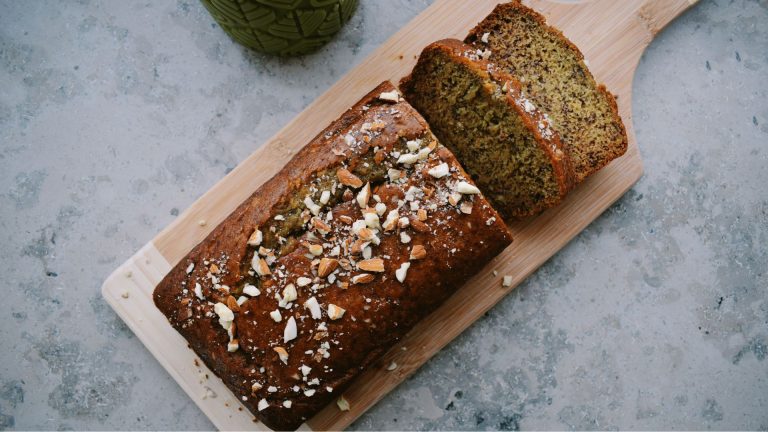
Coconut Lime Banana Bread
This recipe works because of a simple flavor triangle: banana, lime, and coconut. Ripe bananas deliver natural sweetness and a dense, custardy base. Coconut — whether shredded or as coconut milk — adds fat and richness for a tender, moist crumb. Lime’s acidity cuts through the sweetness, keeping every bite bright and balanced.
Ingredients
- 3 large overripe bananas, mashed (about 1½ cups)
- 2 limes, zested and juiced (about 2 tbsp juice)
- ½ cup shredded unsweetened coconut
- ⅓ cup melted butter or coconut oil
- ¾ cup brown sugar, packed
- 2 large eggs
- 1 tsp vanilla extract
- ½ cup full-fat coconut milk
- 1¾ cups all-purpose flour
- 1½ tsp baking powder
- ½ tsp baking soda
- ½ tsp salt
Instructions
- Preheat your oven to 350°F. Grease a 9×5-inch loaf pan and line it with parchment paper, leaving a little overhang on the sides for easy removal.
- In a large bowl, mash your bananas until mostly smooth with just a few small lumps remaining.
- Add the melted butter (or coconut oil), brown sugar, eggs, vanilla, coconut milk, lime juice, and lime zest to the mashed bananas. Whisk until combined and glossy.
- Sift the flour, baking powder, baking soda, and salt directly into the wet mixture. Using a rubber spatula, fold gently until just combined — a few streaks of flour are perfectly fine.
- Fold in the shredded coconut with a couple of strokes. Put the spatula down and don’t touch it again.
- Pour the batter into the prepared loaf pan and smooth the top.
- Bake at 350°F for 55–65 minutes, or until a toothpick inserted into the center comes out clean or with just a few moist crumbs — not wet batter.
- Cool in the pan for 10 minutes, then transfer to a wire rack. Wait at least 30 minutes before slicing.
Notes
- Bring eggs and dairy to room temperature. Cold eggs and cold coconut milk can cause the fat to seize up when mixed. Pull them from the fridge 30 minutes before you start.
- Weigh your flour. A scooped cup of flour can vary by up to 20% depending on how packed it is. 1¾ cups ≈ 220g. A kitchen scale takes the guesswork out completely.
Related Articles:
 Easy Bread Recipes for Beginners: 6 Simple Loaves Anyone Can Bake
 9 Irresistible Bread Bowl Recipes You Can Make at Home
 6 Delicious Yeast Bread Recipes to Bake at Home
 Parmesan Garlic Artisan Bread: Master This Amazing Homemade Recipe Guide
 Your Go-To Guide for Sourdough Dessert Bread: Recipes, Tips, and More
