
Last updated on July 6th, 2026
Looking for Easter bread recipes that actually deliver? This roundup covers six show-stopping loaves from around the world — Italian, Greek, Russian, Portuguese, Polish, and British — each packed with step-by-step instructions, key ingredients, and the cultural story baked into every slice. Whether you’re a seasoned baker or just getting started, one of these recipes is about to become your new Easter tradition. Let’s get into it.
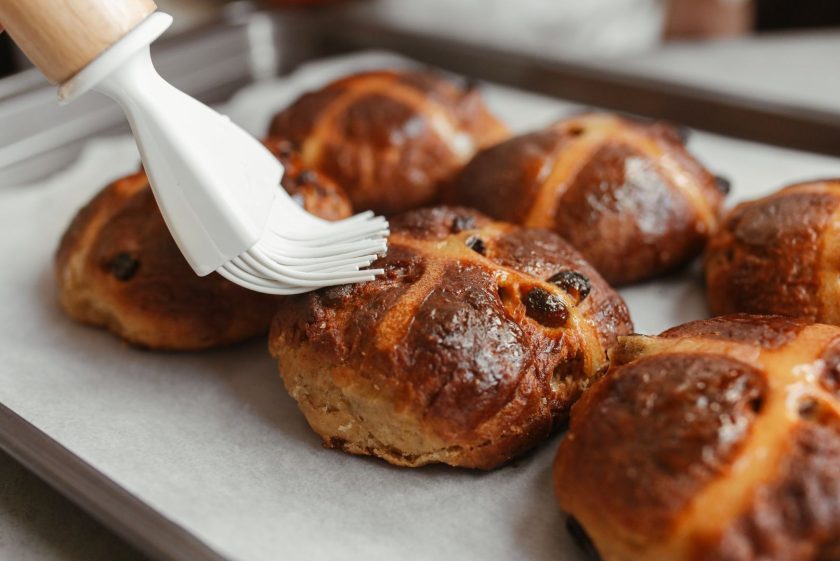
Traditional Italian Easter Bread Recipe
Ingredients
- 4 cups all-purpose flour
- ½ cup granulated sugar
- 2¼ tsp active dry yeast
- ½ cup warm whole milk
- ¼ cup warm water
- 3 large eggs, room temperature
- ⅓ cup unsalted butter, softened
- 1 tsp vanilla extract
- Zest of one lemon
- ½ tsp salt
- 5 dyed raw eggs (for decorating)
- 1 egg + 1 tbsp milk (egg wash)
Step-by-Step Baking Instructions
- Combine warm water, warm milk, a pinch of sugar, and active dry yeast. Rest 10 minutes until foamy.
- Mix flour, sugar, and salt. Add yeast mixture, eggs, butter, vanilla extract, and lemon zest. Knead 8–10 minutes until smooth.
- Let dough rise in a greased bowl for 1–1.5 hours until doubled.
- Divide into three ropes, braid them, and shape into a ring. Press dyed eggs into the braid.
- Let rise another 45 minutes, brush with egg wash, and bake at 350°F for 25–30 minutes until golden.
Decorating and Serving Ideas
Drizzle with a simple powdered sugar glaze and top with rainbow sprinkles while still warm. Serve alongside butter and fresh fruit for an Easter Sunday brunch spread.
Tip: Always use room-temperature eggs and butter — cold ingredients tighten the dough and prevent that signature soft, pillowy texture.
Related: Pizza Rustica Recipe: A Traditional Italian Easter Dish
Greek Tsoureki
Essential Ingredients
- 4 cups bread flour
- ½ cup warm milk
- 2¼ tsp active dry yeast
- ½ cup sugar
- 3 large eggs, room temperature
- ½ cup unsalted butter, softened
- 1 tsp mahleb (ground cherry pits — the secret weapon)
- ½ tsp mastic (resin crystals, crushed with a pinch of sugar)
- 1 tsp vanilla extract
- ½ tsp salt
How to Make Tsoureki
- Dissolve yeast in warm milk with a pinch of sugar. Rest 10 minutes until foamy.
- Mix flour, sugar, and salt. Add eggs, butter, mahleb, mastic, and vanilla. Combine with yeast mixture and knead 10–12 minutes until silky smooth.
- Rise in a greased bowl for 2 hours until doubled.
- Divide into three ropes and braid tightly. Place on a lined baking sheet.
- Second rise for 1 hour, brush with egg wash, and bake at 350°F for 30–35 minutes until deep golden.
Common Baking Mistakes to Avoid
Tsoureki is famously fussy. The biggest mistake? Rushing the knead. Under-kneaded dough won’t develop the stretch needed for that signature pull-apart fluffiness. Also, don’t skip the mastic — it’s what separates an authentic Tsoureki loaf from just another braided Greek bread. Finally, keep rising times generous; Greek Orthodox Easter bakers know patience is an ingredient too.
Tip: Crush mastic crystals with a pinch of sugar to prevent them from clumping into sticky lumps in the dough.
Russian Kulich
Ingredients and Equipment
Ingredients:
- 4½ cups all-purpose flour
- ¾ cup warm milk
- 2¼ tsp active dry yeast
- ½ cup sugar
- 4 egg yolks
- ½ cup unsalted butter, softened
- ½ cup raisins
- Zest of one orange and one lemon
- 1 tsp vanilla extract
- ½ tsp salt
Equipment:
- Tall cylindrical molds (coffee cans or panettone molds work perfectly)
- Stand mixer (highly recommended)
- Wire rack for cooling
Baking Instructions
- Activate yeast in warm milk with a pinch of sugar. Rest for 10 minutes.
- Beat egg yolks and sugar until pale. Add butter, vanilla, and citrus zest.
- Combine the egg mixture with the yeast mixture and the flour. Knead 8–10 minutes until smooth and elastic.
- Fold in raisins. Rise in a greased bowl for 1.5 hours until doubled.
- Fill greased tall molds halfway. Second rise for 45–60 minutes until dough crowns above the rim.
- Bake at 350°F for 35–40 minutes. Cool upright to preserve the tall shape.
Traditional Ways to Serve Kulich
Once cooled, top with royal icing and a shower of colorful sprinkles — that domed, decorated crown is Kulich’s whole personality. In Russia, Kulich is traditionally blessed at church on Russian Orthodox Easter Saturday night before being sliced and shared at the Easter breakfast table. Slice it horizontally so every piece keeps a bit of that iconic iced top.
Tip: Line your molds with parchment paper that extends above the rim — this gives the rising dough extra support and prevents overflow.
Portuguese Folar de Páscoa
Key Ingredients
- 4 cups all-purpose flour
- ½ cup warm milk
- 2¼ tsp active dry yeast
- ½ cup sugar
- 3 large eggs, room temperature
- ⅓ cup unsalted butter, softened
- 1 tsp cinnamon
- Zest of one lemon
- ½ tsp salt
- 4–5 whole hard-boiled eggs (unpeeled, for baking into the loaf)
Baking Method
- Dissolve yeast in warm milk with a pinch of sugar. Rest 10 minutes until foamy.
- Mix flour, sugar, cinnamon, salt, and lemon zest. Add eggs, butter, and yeast mixture. Knead 8–10 minutes until smooth.
- First rise in a greased bowl for 1.5 hours until doubled.
- Shape dough into a round loaf on a lined baking sheet. Press whole hard-boiled eggs into the top, spacing evenly.
- Cross strips of dough over each egg to hold them in place. Second rise for 45 minutes.
- Brush with egg wash and bake at 350°F for 30–35 minutes until golden.
Sweet vs Savory Variations
The sweet version — fragrant with cinnamon and lemon — is the most common across Portugal. But depending on the region, Folar de Páscoa goes savory, stuffed with chouriço, ham, or presunto (Portuguese cured meat). The savory version skips the sugar entirely and leans into smoky, salty fillings tucked inside the dough before baking. Both versions keep the signature whole eggs on top — that part’s non-negotiable for Easter celebrations.
Tip: Hard-boil your eggs just until set (about 9 minutes) — overcooked eggs turn rubbery after the second bake in the oven.
Polish Babka
Ingredients
- 3½ cups all-purpose flour
- ½ cup warm milk
- 2¼ tsp active dry yeast
- ½ cup sugar
- 5 egg yolks
- ½ cup unsalted butter, melted and cooled
- Zest of one lemon
- 1 tsp vanilla extract
- ½ tsp salt
- Powdered sugar glaze for finishing
How to Bake Babka
- Activate yeast in warm milk with a pinch of sugar. Rest 10 minutes until foamy.
- Beat egg yolks and sugar until thick and pale yellow. Mix in butter, lemon zest, and vanilla.
- Combine the egg mixture and the yeast mixture with the flour and salt. Knead 8 minutes until smooth and slightly sticky.
- Rise in a greased bowl for 1.5 hours until doubled.
- Pour batter into a well-greased Bundt or Babka mold — fill only halfway. Second rise for 45 minutes.
- Bake at 350°F for 35–40 minutes until a skewer comes out clean.
Related: Savory And Easy Herb and Cheese Sourdough Babka
Serving and Storage Tips
Once cool, drizzle generously with powdered sugar glaze and serve at the Easter breakfast table alongside cold cuts, hard-boiled eggs, and horseradish — the classic Polish Easter spread. Babka Wielkanocna stays fresh, wrapped, at room temperature for up to 3 days, or freeze the whole cake for up to a month. Avoid refrigerating it — the cold dries it out fast.
Tip: The more egg yolks, the richer and more golden your Babka. Don’t be tempted to swap in whole eggs — yolks are what give it that tender, buttery crumb.
Hot Cross Bun Easter Bread Loaf
Ingredients
- 4 cups bread flour
- ½ cup warm milk
- 2¼ tsp active dry yeast
- ¼ cup sugar
- 2 large eggs
- ¼ cup unsalted butter, softened
- ¾ cup currants or raisins
- 1½ tsp cinnamon
- 1 tsp mixed spice
- ½ tsp nutmeg
- ½ tsp salt
- For the cross: 3 tbsp flour + 3 tbsp water (paste)
- For the glaze: 2 tbsp apricot jam, warmed
Baking the Loaf Version
- Activate yeast in warm milk with a pinch of sugar. Rest for 10 minutes.
- Mix flour, sugar, spices, and salt. Add eggs, butter, and yeast mixture. Knead 8 minutes until smooth.
- Fold in currants. First rise for 1–1.5 hours until doubled.
- Shape into a loaf and place in a greased 9×5 inch pan. Second rise for 45 minutes.
- Pipe a flour-paste cross lengthwise and widthwise across the top of the loaf.
- Bake at 375°F for 30–35 minutes until hollow-sounding when tapped underneath.
- Brush immediately with warmed apricot jam for a shiny, sticky glaze.
Variations and Flavor Enhancements
The classic spiced Easter loaf is just the starting point. Swap currants for dried cranberries and orange zest for a brighter, more citrusy Easter fruit bread. Chocolate chip and mixed spice is a crowd-pleasing modern twist — especially with kids. For a richer loaf, add a tablespoon of black treacle to the dough for deeper color and a subtle molasses note. However you riff on it, keep the cross — it’s the Good Friday stamp this bread has carried for centuries.
Tip: Don’t skip the apricot glaze — it’s what gives the crust that classic glossy finish and adds a subtle sweetness that ties all the spice flavors together.
Pick Your Loaf and Get Baking
Six countries, six traditions, one delicious conclusion — Easter bread is the holiday baking project you didn’t know you needed. Whether you’re a first-timer reaching for a forgiving Polish Babka or a confident baker ready to tackle the aromatic complexity of Greek Tsoureki, there’s a recipe here with your name on it.
And now you’ve got the recipes to tell your own. Pick the one that excites you most, grab your ingredients, and make this Easter the one your family talks about for years.
FAQs – Traditional Easter Bread Recipes
What is a traditional Easter bread?
Traditional Easter bread is a sweet, enriched yeast bread baked to celebrate Easter across many cultures. Most versions feature symbolic touches like braided dough, whole eggs baked into the loaf, or decorative crosses. Popular examples include Italian braided bread, Greek Tsoureki, and Russian Kulich — each with its own unique spices, flavors, and family traditions.
What traditional bread is commonly used during Easter?
Hot Cross Buns are the most widely recognized Easter bread, particularly in the US and UK. Marked with a signature cross and packed with currants and warm spices, they’ve been a Good Friday staple for centuries. Beyond that, braided Italian Easter bread and Greek Tsoureki are beloved classics that show up on holiday tables across the world.
Related Articles:
 Easy Bread Recipes for Beginners: 6 Simple Loaves Anyone Can Bake
 9 Irresistible Bread Bowl Recipes You Can Make at Home
 6 Delicious Yeast Bread Recipes to Bake at Home
 Parmesan Garlic Artisan Bread: Master This Amazing Homemade Recipe Guide
 Your Go-To Guide for Sourdough Dessert Bread: Recipes, Tips, and More
