Last updated on June 24th, 2026
So you’ve been baking with a sourdough starter for quite some time now, but haven’t quite become accustomed to some of the terminology floating around. A levain and sourdough starter might be similar, but they also have many differences that you should know of. Some of these are outlined below.
Pain Au Levain Sourdough Recipe
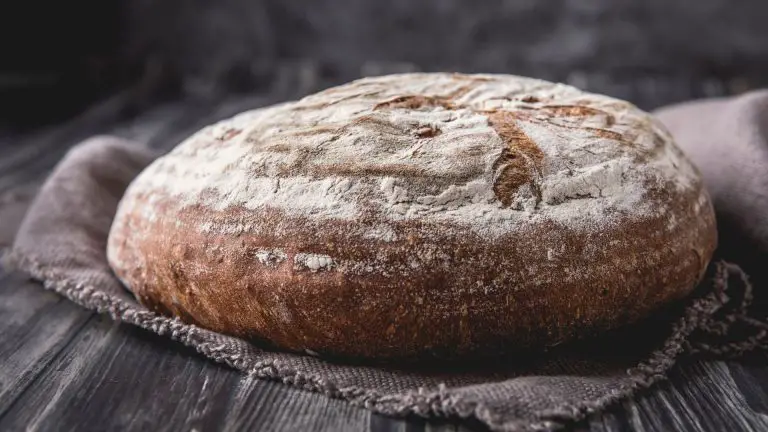
A simple pain au levain makes the perfect sourdough recipe for first-time bakers. And here’s how to make it!
- Total Time: 6 hrs 10 mins
- Yield: 1 loaf 1x
Ingredients
For the levain
- 60g strong white bread flour
- 10g active sourdough starter
- 40g of water
For the dough
- 310g of strong white bread flour
- 30g of rye flour
- 7g of salt
- 220g of water
Instructions
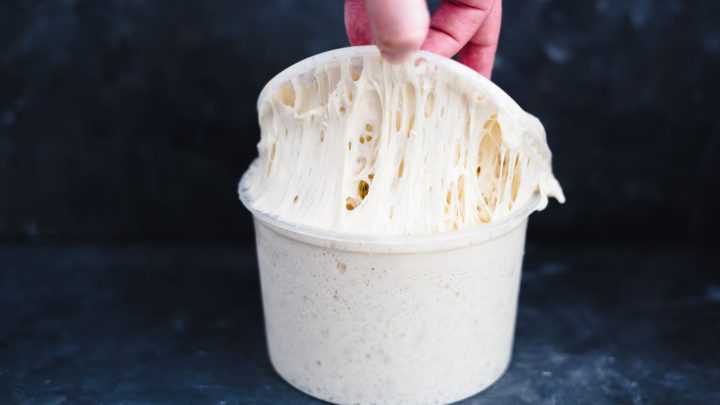
- Make your levain by mixing the water, sourdough starter, and flour. Let this ferment for 10-12 hours. The levain should have doubled in size, with a stretchy texture, it should not be runny.
- Mix the remaining flour with the leftover water. Sprinkle salt over the dough, cover, and leave to hydrate for 30-60 minutes.
- Add the levain to the dough and knead for 5-6 minutes. This should depend on the temperature of your dough. The cooler your dough, the longer it will take to be ready.
- Let your dough ferment or rest for 1 hour and 30 minutes.
- Then stretch and fold your dough 4 times at 30-minute intervals.
- Shape your dough into a loaf, and place it into a lightly floured proofing basket.
- Let it rest for 3 hours. Meanwhile, preheat your oven and Dutch oven to 450 degrees Fahrenheit.
- Score your dough, and bake in the Dutch oven with the lid on for 25 minutes.
- Remove the lid and continue baking for 15 minutes.
- Let this cool down completely before slicing.
Notes
- The dough is pretty low in hydration, making it very easy to handle.
- You can experiment with any type of flour you fancy, to create the loaf you desire.
- Prep Time: 30 mins
- Cook Time: 40 mins
- Category: bread
- Cuisine: French/Italian
Nutrition
- Serving Size: 1 loaf
- Calories: 500 kcal
- Fat: 5 g
- Saturated Fat: 1 g
- Carbohydrates: 85 g
- Protein: 20 g
Levain vs. Sourdough Starter (The Easy Answer)
Your sourdough starter is like a pet: you feed it regularly and keep it alive indefinitely. It is a live culture that you continuously fed and maintain.
A levain is a smaller portion of this starter. It’s what you get when you take a little of your starter and feed it fresh flour and water before a bake. Once it’s bubbly and active, you mix it into your dough to help the bread rise.
The big difference between the two is that your starter sticks around as long as you feed it, but the levain is a one-time thing, only for when you want to make something. Your sourdough starter is the “mother” culture you keep alive, and the levain is the offspring you create from it each time you bake.
Same ingredients (flour, water, and wild yeast), same idea, but different jobs!
What is The Meaning of Pain Au Levain?
The phrase pain au levain translates to naturally leavened bread. It is a basic French style of sourdough with a mildly sweet taste compared to regular sourdough bread.
Although, much like a sourdough starter, the levain acts as a leavening agent, is added to the dough, and provides unique flavors, and textures, as well as a natural rise.
What is The Difference Between a Starter and a Levain?
The levain and sourdough starters are made with the exact same ingredients, but they are different:
What It’s For
Your sourdough starter is essentially a living thing. It’s a jar of wild yeast and bacteria that you keep fed and active over time. Its whole job is to stay alive and healthy so that whenever you’re ready to bake, it’s there and ready to go. If you neglect it for too long, you’ll have to start all over (and building a starter from scratch can take weeks!).
The live culture of wild yeasts and bacteria penetrate the levain with these healthy microbes, that then go on to expand and strengthen the levain. This is then used to leaven any sourdough bread recipe.
Size
A sourdough starter is often kept alive in a small jar to use for baking sourdough bread. Often sourdough starters are kept in smaller quantities to avoid the growing sourdough starter from expanding too much and becoming harder to maintain.
This is why a small portion of the starter is discarded or kept in a separate jar to accommodate more feedings.
When it’s finally time to bake, you feed the starter portion you set aside until it reaches the right amount needed for your recipe, and that portioned-out, freshly fed amount is what we call a levain.
The Use
A sourdough starter is continuously maintained for future use, while a levain is used once.
Essentially, the sourdough starter is alive and has an ongoing culture, growing and maintaining a healthy population of fermented microbes.
The sourdough starter can live for as long as it is fed with flour and water. The small portion that is separated and used for baking is what helps leaven the bread.
The levain, on the other hand, is a one-time-use offshoot of that starter. Once you mix it into your dough, its job is done.
How Much Levain is in Sourdough Bread?
The amount of levain used in sourdough bread can vary from recipe to recipe.
Typically, a sourdough recipe requires 6-30% levain in the dough, but this can be adjusted according to your particular recipe.
Can I Use Sourdough Starter Instead of Levain?
The short answer is yes.
The main difference between a sourdough starter and a levain is the weight.
A starter and levain of equal weight will contain the same strength and number of microbes, meaning that they’ll have equal leavening abilities. Consequently, both types of leaven can be used to bake a sourdough loaf, and they’ll likely produce identical results, if not similar.
The main thing to pay attention to in all sourdough or bread-baking recipes, is the percentage of flour in the sourdough starter or levain, as this plays an important role in leavening bread.
This is translated to the inoculation percentage. For instance, a standard inoculation of 5% for a dough that contains 500g of flour, would mean that the weight of the flour in the levain or sourdough starter must be 50g, and an additional 450g of flour will be included in the levan or starter once it’s ready for the big bake.
Can You Use a Different Flour To Your Starter?
You certainly can!
You may wish to bake a sourdough loaf with whole wheat flour, or rye flour, and this is totally fine, even if your sourdough starter has been fed with all-purpose flour or bread flour.
Before baking, feed your levain with 40g of whole wheat flour or rye depending on what you plan to bake with, and 80g of water, to create a specific levain for your recipe.
Customizing Your Levain
The great thing about having a levain is that you can customize its taste to suit your preference. Especially if you’re planning to bake a sweet or savory sourdough loaf.
For instance, you can create a sweet levain by including sugar or honey in the flour and water fed to your starter.
This sweet levain is perfect for sweet bread like brioche, quick bread, or banana bread.
What Does Pain Au Levain Taste Like?
Baking with a pain au levain produces wonderful loaves with a rich flavor and that distinct, tangy sourdough taste.
This is very similar (if not completely equal) to the bread you’d get when you bake sourdough.
And much like sourdough bread, it pairs great with soups, especially with its very wide crumb.
- Creamy Cauliflower Soup
- Butternut Squash Soup Recipe with Fermented Vegetables and Sourdough Sides
- What Soup Goes Well With Sourdough Bread
Main Differences Between a Levain and Sourdough Starter (Summarized)
| Levain | Sourdough starter | |
| Main ingredients | Flour, water, yeast and bacteria | Flour, water, yeast, and bacteria |
| Function | Help bread rise | Flour, water, yeast, and bacteria |
| Weight | 100g or more (larger) | between 20-100g (smaller) |
| Duration | Enough for one bake | For as long as needed, with regular feedings |
| Type of flour | Any type of flour you fancy | Normally fed with one type of flour to maintain consistency |
Despite the size of your levain, it is almost always used for one bake, compared to a sourdough starter which is fed continuously and kept indefinitely, for as long as it is maintained and kept alive.
Another distinct difference we can mention is the taste of the levain. A sourdough starter has a more pronounced sour flavor, whilst a levain has a milder version of this flavor. The levain can also be made with any type of flour you want to use in your recipe, as opposed to the sourdough starter which is better to feed with the same flour to maintain consistency.
Pain Au Levain Sourdough Recipe
A simple pain au levain makes the a good sourdough recipe to attempt for first-time bakers. The dough is pretty low in hydration, so it’s easy to handle.
You can experiment with any type of flour you fancy, to create the loaf you desire.
And here’s how to make it!
- Type: Bread
- Cuisine: French/Italian
- Recipe yield: 1 loaf
- Calories: 500kcal
- Preparation time: 30 minutes
- Cooking time: 40 minutes
- Total time: 6H10M
Ingredients
For the levain
- 60g strong white bread flour
- 10g active sourdough starter
- 40g of water
For the dough
- 310g of strong white bread flour
- 30g of rye flour
- 7g of salt
- 220g of water
Instructions
- Make your levain by mixing the water, sourdough starter, and flour. Let this ferment for 10-12 hours. The levain should have doubled in size, with a stretchy texture, it should not be runny.
- Mix the remaining flour with the leftover water. Sprinkle salt over the dough, cover, and leave to hydrate for 30-60 minutes.
- Add the levain to the dough and knead for 5-6 minutes. This should depend on the temperature of your dough. The cooler your dough, the longer it will take to be ready.
- Let your dough ferment or rest for 1 hour and 30 minutes.
- Then stretch and fold your dough 4 times at 30-minute intervals.
- Shape your dough into a loaf, and place it into a lightly floured proofing basket.
- Let it rest for 3 hours. Meanwhile, preheat your oven and Dutch oven to 450 degrees Fahrenheit.
- Score your dough, and bake in the Dutch oven with the lid on for 25 minutes.
- Remove the lid and continue baking for 15 minutes.
- Let this cool down completely before slicing.
Nutrition
- Calories: 500kcal
- Carbohydrates: 85g
- Protein: 20g
- Fat: 5g
- Saturated fat: 1g
Pain Au Levain is Sourdough Starter!
To recap: Your levain is also a sourdough starter but a version that will only be used one time, while your sourdough starter is expected to remain alive and thrive forever!
FAQs
What does “pain au levain” mean?
“Pain au levain” is French for “bread made with levain,” meaning naturally leavened bread. It refers to a traditional French-style sourdough loaf with a mild tang and rich flavor.
Is a levain the same as a sourdough starter?
Yes and no. They’re made from the same ingredients: flour, water, wild yeast, and beneficial bacteria. But a sourdough starter is your ongoing “mother” culture that you keep alive indefinitely. A levain is a portion of that starter that you build specifically for one bake.
Why do bakers use a levain instead of putting starter directly into the dough?
Using a levain lets you control timing, flavor, and strength. By building a fresh levain before baking, the yeast is highly active and a baker can tailor the flour type or hydration to suit a recipe.
How much levain should I use in sourdough bread?
Most sourdough recipes use between 6% and 30% levain relative to the total flour weight. The exact amount depends on your recipe, desired fermentation speed, and flavor profile.
Can I use my sourdough starter instead of making a levain?
Yes. If your starter is active and bubbly, you can use it in place of a levain. Just make sure the weight and flour-to-water ratio match what your recipe calls for.
Does a levain taste different from a sourdough starter?
A levain typically produces a milder sour flavor because it’s freshly built and used at peak activity. A mature starter, especially one that hasn’t been fed recently, may taste more tangy or acidic.
Do I have to discard sourdough starter?
Yes because discarding a portion keeps your starter at a manageable size and ensures it remains healthy and well-fed. The portion you build up for baking becomes your levain.
Can I use different flour for my levain than my starter?
Absolutely. Even if your starter is maintained with bread flour, you can build a levain with whole wheat or rye flour to better suit the bread you’re making.
How long does a levain last?
A levain is meant for one bake. Once it’s mixed into your dough, its job is done. Unlike your starter, it isn’t maintained long-term.
How do I know when my levain is ready to use?
It should have doubled in size, look bubbly and airy, and have a slightly domed top. A small spoonful should float in water (though this test isn’t always necessary if it’s clearly active).
Is pain au levain different from sourdough bread?
Pain au levain is a type of sourdough bread. The term is simply the French name for naturally leavened bread made with a levain.
How do you pronounce “pain au levain”?
It’s pronounced: Pan oh luh-VAN.
Related Articles:
 The Beginner’s Guide to Making Your First Sourdough Starter (Recipe + Schedule!)
 Sourdough Cinnamon Coffee Cake Recipe: 9 Steps to Irresistible Bakery-Style Results
 Strawberry Cinnamon Rolls Recipe: A Sweet Twist on a Classic Favorite
 Sourdough Cinnamon Banana Bread: Easy, Moist & Delicious Recipe
 How to Use Sourdough Starter Like a Pro (Even as a Beginner)

A little confusing. Let me try.
A portion of a sourdough starter mixed with flour and water is called a “levain”. This mixture is baked to make bread.
A portion of a sourdough starter mixed with flour and water is baked to make bread.
The word “levain” simply means a mixture of sourdough starter and flour and water.
Is that correct?
Almost!
A levain is a portion of active sourdough starter that’s been fed with fresh flour and water, allowed to ferment, and then mixed into dough to make it rise. The difference from a sourdough starter is that a starter is kept alive indefinitely with regular feedings, while a levain is prepared for and then used for baking.
So the levain doesn’t get baked on its own, it becomes part of the dough!
But thank you for your comment, let me try to make things a little clearer in my blog, apologies!